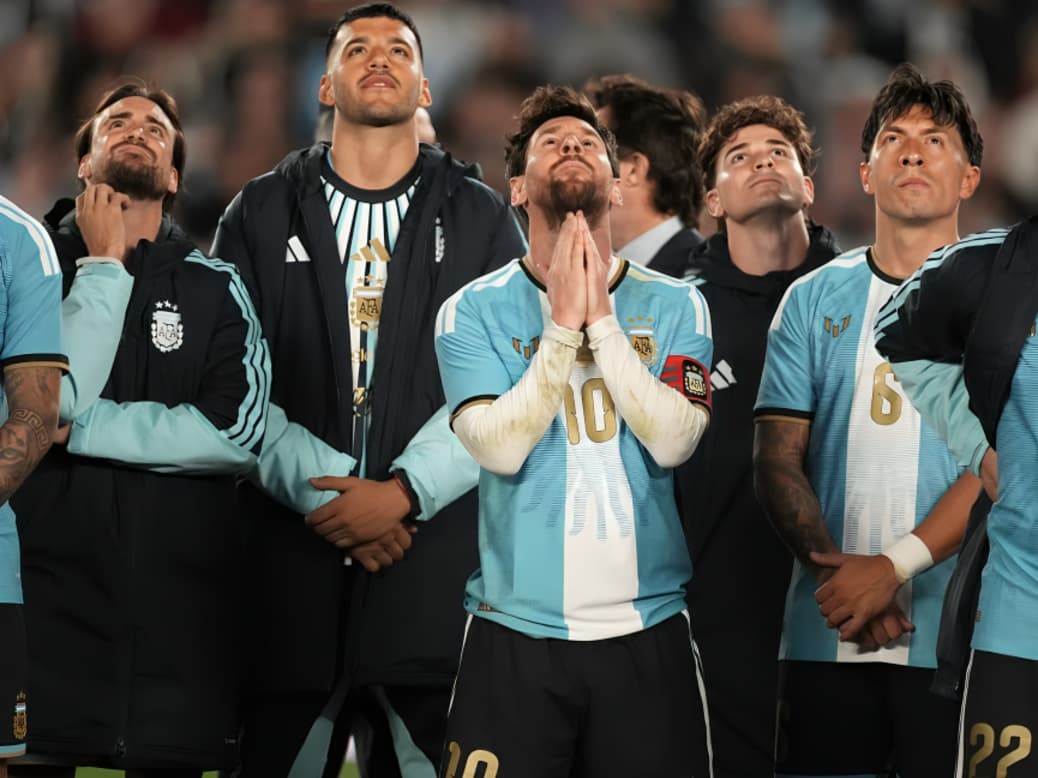
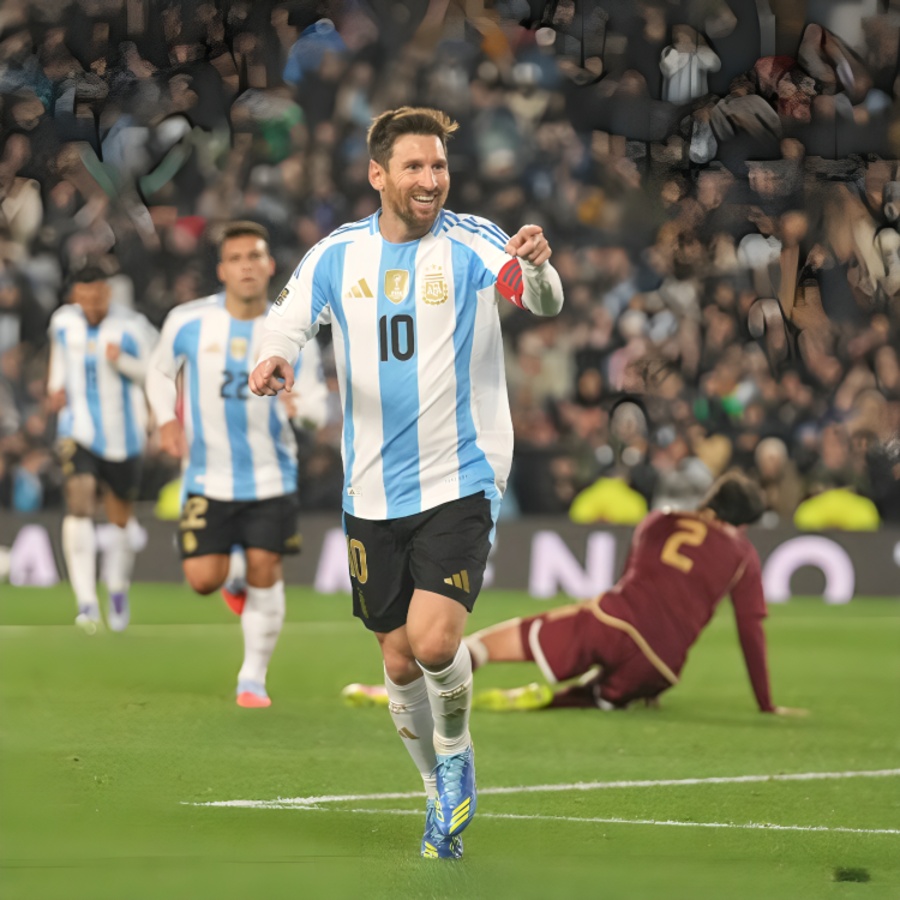
Lionel Messi has officially closed the chapter on his international football career, but his influence on the sport is unlikely to disappear with his retirement.
At the age of 39, Messi announced his decision to step away from Argentina after more than two decades with the national team. His international career ended after Argentina lost the 2026 FIFA World Cup final to Spain. Although the tournament did not provide the fairytale ending many supporters hoped for, Messi leaves behind one of the most significant legacies in Argentine football history.
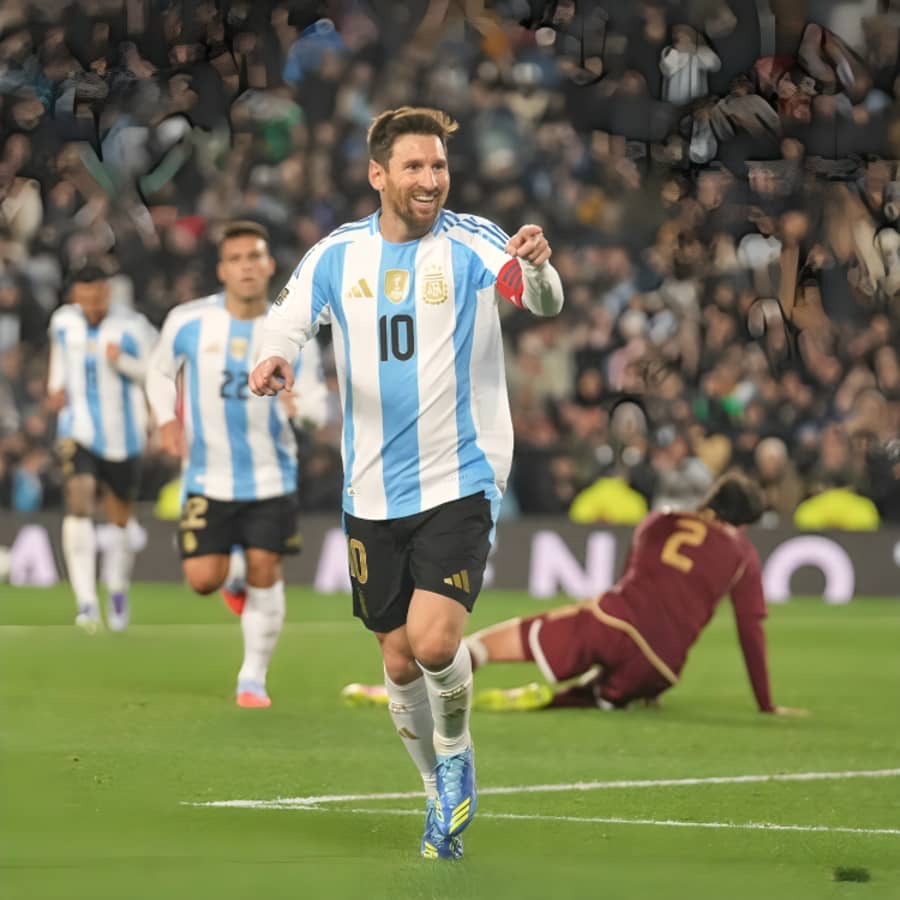
Messi made his senior international debut in 2005. During his career with Argentina, he became the team's record appearance maker and leading scorer. He finished his international career with 207 appearances and 125 goals.
His greatest achievements with Argentina came later in his career. After years of disappointment in major international finals, Messi finally won his first major senior international trophy when Argentina lifted the Copa America in 2021.
That success changed the narrative surrounding his international career.
The following year, Messi reached another historic milestone. Argentina won the 2022 FIFA World Cup in Qatar, with Messi playing a central role throughout the tournament. He scored seven goals and was awarded the Golden Ball as the tournament's best player.
Argentina subsequently won the Copa America again in 2024, adding another major international title to Messi's collection.
His international career therefore ended with a World Cup title and two Copa America championships.
But Messi's legacy extends well beyond trophies.
For millions of young football fans, Messi represented a particular style of playing the game. His close control, dribbling, passing, movement and ability to create scoring opportunities became defining features of his football.
Young players around the world grew up watching his performances for Barcelona, Argentina, Paris Saint Germain and Inter Miami. His influence was not limited to Argentina or Spain. Football academies across different countries have seen generations of players attempt to develop the technical qualities associated with Messi's style.
That influence is particularly significant because many of today's young footballers began watching Messi when he was already one of the biggest names in world football.
Some of them were children when Messi scored decisive goals in major tournaments. Others watched his Barcelona performances and attempted to recreate his dribbles and free kicks on school grounds and local football pitches.
For this generation, Messi was not simply a footballer they read about. He was a player they watched throughout their childhood.
That is why his retirement from international football represents more than the departure of a national-team captain. It also marks the closing of an era for supporters who grew up with Messi as one of the defining figures of modern football.
FIFA noted that Messi's influence on Argentina extended beyond his goals and assists. Even as he became physically less dominant with age, his understanding of space, vision and decision-making continued to make him a decisive player.
That evolution may become one of the most important parts of his legacy.
Messi entered international football as a young attacking player known for his speed, dribbling and creativity. By the end of his career, he had become a leader who could influence matches through positioning, passing and experience.
His development demonstrated that elite football does not depend solely on physical ability.
As his pace changed with age, Messi adjusted his game. He became increasingly involved in creating chances and controlling the rhythm of attacks.
That adaptability is another lesson for the generation that grew up watching him.
Argentina now faces the challenge of moving forward without its long-time number 10.
There is no direct replacement for Messi because his combination of goalscoring, creativity, experience and longevity is exceptionally difficult to reproduce.
However, a new generation of Argentine footballers is already emerging.
Players such as Nico Paz are being discussed as potential contributors to Argentina's next era. Paz is a young attacking midfielder whose technical ability and creativity could become valuable as the national team develops a post-Messi identity.
The challenge for Argentina will not necessarily be to find another Messi.
Instead, the team can build a different style around several talented players.
Messi himself appears to recognise that transition. In his farewell message, he acknowledged that younger players are coming through and deserve opportunities with the national team.
That statement reflects the natural cycle of international football.
Every great generation eventually makes way for the next one.
Messi's generation transformed Argentina from a team repeatedly associated with painful final defeats into a side that won multiple major international trophies.
The 2021 Copa America victory was followed by the 2022 World Cup triumph and another Copa America title in 2024.
Even though Argentina lost the 2026 World Cup final, Messi's influence on the team's modern identity remains substantial.
Reuters described Messi as having repaired a complicated relationship with his country and eventually stepping out of Diego Maradona's shadow to establish a legacy of his own.
That transformation is perhaps one of the most important aspects of his international career.
For many years, Messi was compared with Maradona because of Argentina's history and expectations surrounding its number 10.
Winning the World Cup in 2022 allowed Messi to create his own chapter in Argentine football history.
The younger generation now inherits that history.
Children who watched Messi lift the World Cup trophy may eventually become professional footballers themselves. Some will play for Argentina, while others will represent different countries.
Their careers may not resemble Messi's, but the example he provided will remain part of their football education.
His influence can also be seen in the global popularity of football.
Messi became one of the sport's most recognisable athletes, helping attract new audiences in different parts of the world.
His move to Inter Miami in 2023 expanded that influence in the United States, where his arrival generated enormous attention for Major League Soccer. Reuters notes that Messi helped Inter Miami win trophies and quickly established major scoring and assist records in the league.
His influence therefore continued even after his European club career ended.
Messi's international retirement does not mean his football career has completely ended. His club career continues with Inter Miami, meaning supporters will still have opportunities to watch him play.
However, Argentina's blue and white shirt will no longer be part of his regular football schedule.
That is the part of the retirement that will feel most significant to supporters.
For more than 20 years, Messi was at the centre of Argentina's football story.
He experienced defeats, criticism, retirement speculation, comebacks and historic victories.
His journey included an unsuccessful World Cup final in 2014, Copa America final defeats and his brief international retirement in 2016.
Yet he returned and eventually achieved the trophies that had once seemed out of reach.
That resilience is another element of his legacy.
Messi's story demonstrates that success does not always arrive immediately.
His early international career was filled with disappointment, but he continued to return to the national team and eventually became the leader of a trophy-winning generation.
For young footballers, that journey can be as influential as his technical ability.
The next generation will now have to create its own story.
Argentina's players will face the challenge of competing without the footballer who carried the number 10 shirt for so long.
But they will also have the benefit of the standards established during Messi's era.
The team's recent success has created expectations that will remain even after his departure.
Messi's final assist, therefore, is not necessarily a pass delivered on a football pitch.
It is the influence he leaves behind.
The young footballers who watched him, studied him and attempted to imitate his movements will continue playing the game.
Some may become professionals. Others may simply remain passionate supporters.
Either way, Messi's impact will continue through the people he inspired.
His retirement closes his international chapter, but it does not erase the memories created during two decades.
The World Cup victory, Copa America triumphs, extraordinary goals and countless moments of individual brilliance will remain part of football history.
More importantly, the generation that grew up watching Messi now has the opportunity to take the sport forward.
Argentina must discover its next leaders, while football around the world will continue producing players influenced by the standards Messi established.
There may never be another player exactly like him.
That is what makes his legacy so difficult to replace.
Messi leaves international football as Argentina's record appearance maker and leading scorer, a World Cup winner and a two-time Copa America champion.
His final chapter with Argentina may have ended without another World Cup trophy, but his larger story is already secure.
The player may be stepping away from international football, but the generation he inspired is only beginning its own journey.
That may ultimately become Messi's most lasting contribution to the sport.