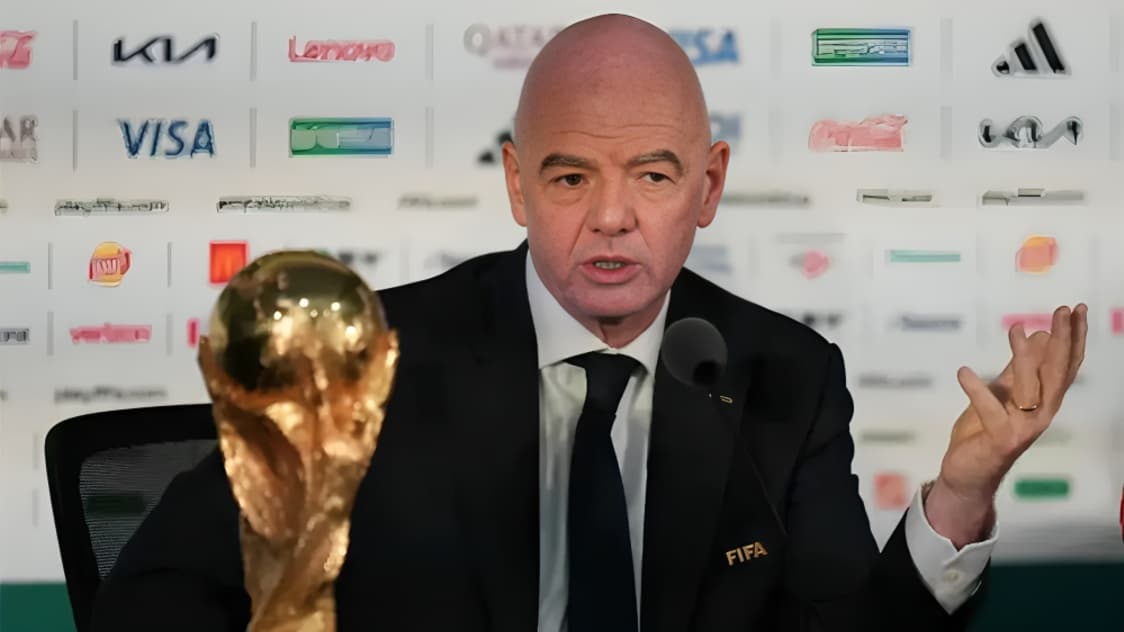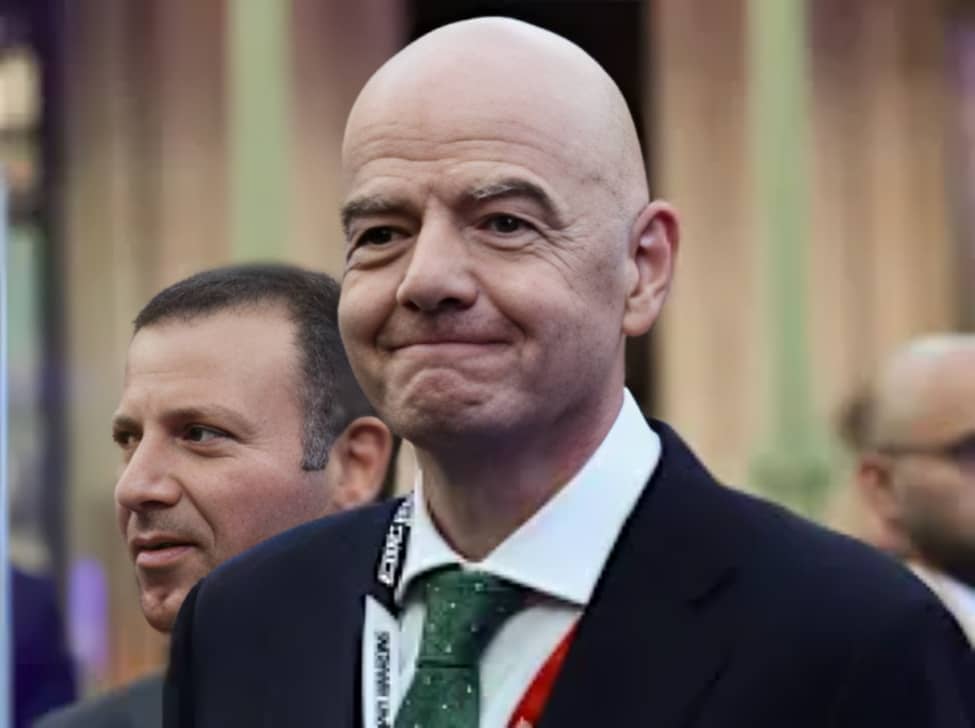
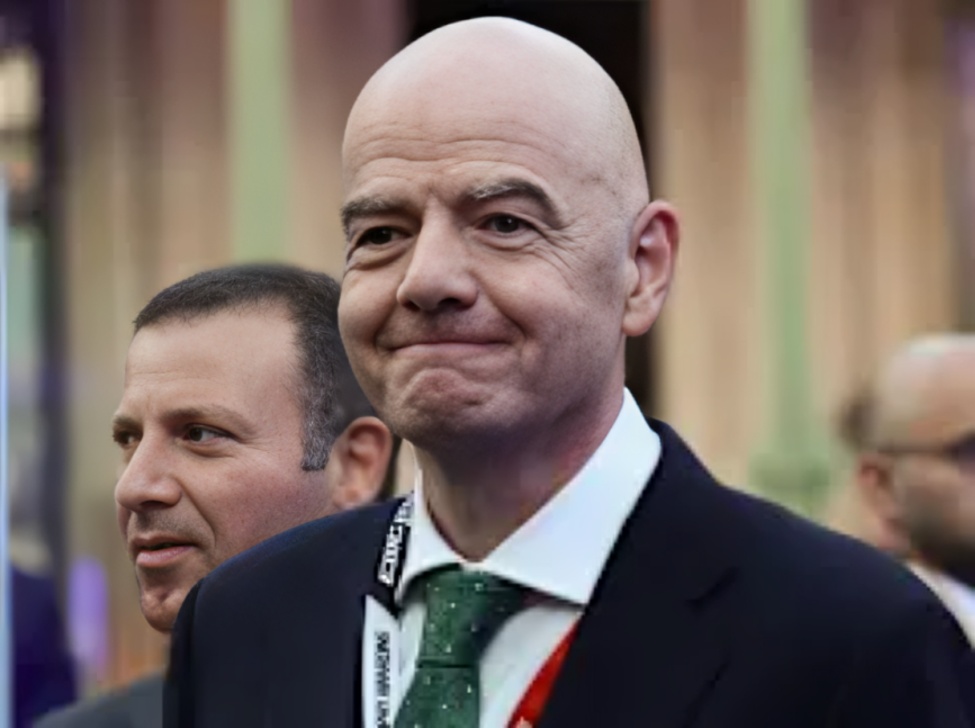
Former Cameroon international star and Cameroon Football Federation president Samuel Eto’o has publicly expressed his support for FIFA president Gianni Infantino as the global football governing body faces an increasingly difficult leadership situation.
Eto’o defended Infantino during an interview with CNN, saying that he did not believe the FIFA president had done anything wrong. He also suggested that the criticism surrounding Infantino was closely connected to the timing of the upcoming FIFA presidential election, which is scheduled for March 2027.
Infantino is currently seeking another term as FIFA president, but his leadership has come under growing scrutiny following controversy over a proposal involving private investment in FIFA tournament commercial rights.
The proposal, known as the FIFA Forward Enterprise plan, involved the possibility of selling a minority stake in a commercial entity connected to FIFA tournament rights. The plan faced significant opposition from several football organisations and was subsequently abandoned.
The controversy has created divisions within international football. UEFA, the Asian Football Confederation and CONCACAF have been among the organisations expressing serious concerns about FIFA's leadership. There have also been discussions about the possibility of a vote of no confidence against Infantino.
Despite the criticism, Infantino continues to receive support from important sections of the football community. The Confederation of African Football has maintained its backing for the FIFA president and has argued that his future should ultimately be decided through the democratic election process.
Eto'o has now added his voice to those supporting Infantino.
The former Cameroon striker said the FIFA president had contributed significantly to the development of football, particularly by creating opportunities for countries that previously had fewer chances to participate at the highest level.
Eto'o argued that Infantino's leadership had helped expand football's reach and supported the development of national football associations in Africa and other regions.
The former Barcelona, Inter Milan, Real Madrid and Chelsea player also defended the broader idea behind Infantino's controversial commercial proposal. According to Eto'o, the FIFA membership should have been given an opportunity to debate the proposal and decide through a democratic vote.
He suggested that the opposition to the proposal did not necessarily represent the majority of FIFA's 211 member associations.
Eto'o's comments come at a particularly important time for Infantino. Several prominent football officials and organisations have questioned the direction of FIFA and raised concerns about transparency, governance and decision-making.
The criticism intensified after the proposed commercial arrangement was withdrawn. FIFA later acknowledged problems in the handling of the proposal, while Infantino continued to face pressure from some regional football bodies.
Some FIFA officials have also expressed dissatisfaction with recent developments. FIFA vice president Sandor Csanyi withdrew his support for Infantino after the departure of chief operating officer Kevin Lamour. Csanyi described Lamour's dismissal as a major turning point in his decision.
At the same time, several major football organisations are considering stronger measures. UEFA, AFC and CONCACAF have reportedly discussed whether a no-confidence vote could be pursued against the FIFA president.
Such a move would be highly significant because there is no recent precedent for FIFA's Congress removing a sitting president through a no-confidence process. Under FIFA's statutes, an Extraordinary Congress can be convened if the required number of member associations formally requests one.
The controversy is therefore developing alongside preparations for the next FIFA presidential election.
Infantino has indicated that he intends to seek re-election in March 2027. At present, he continues to have substantial support among member associations, particularly in Africa and parts of other regions.
The African bloc could become especially important because CAF represents 54 member associations. Support from African football associations could play a major role in determining the outcome of the next presidential contest.
Eto'o's public endorsement is consequently significant because of his position within African football. He has served as president of the Cameroon Football Federation since 2021 and remains one of the most recognisable figures in African football.
His comments also underline the divisions that have emerged over Infantino's leadership.
While some football officials believe FIFA needs a major change in governance, others argue that Infantino should remain in office and that his record should be judged through the election process.
Eto'o clearly belongs to the latter group.
He has argued that Infantino has expanded opportunities for countries that traditionally had less influence in international football. He also believes that proposals intended to provide additional financial resources to smaller football nations deserve further discussion.
The disagreement over the FIFA Forward Enterprise proposal has therefore become part of a much larger debate about the future direction of international football.
Supporters say greater commercial investment could help distribute resources more widely among FIFA's member associations. Critics, however, have raised concerns about transparency, governance and the potential commercialisation of important football assets.
The controversy has also affected relations between FIFA and several major football organisations.
UEFA and other regional bodies have demanded greater clarity over FIFA's decision-making processes. Some officials have also questioned whether major commercial decisions should be made without broader consultation with football stakeholders.
Against this backdrop, Eto'o's comments provide an important counterpoint to the criticism.
He has argued that the current controversy should not automatically be interpreted as evidence that Infantino has failed as FIFA president. Instead, he believes the upcoming election has contributed to the political tensions surrounding the organisation.
The FIFA presidential election is expected to become increasingly important as the March 2027 vote approaches.
Infantino will need to maintain support across FIFA's global membership while addressing concerns raised by regional confederations and national football associations.
For now, the Confederation of African Football remains supportive of his position. CAF president Patrice Motsepe has previously indicated that Infantino's future should be determined through the electoral process.
However, the opposition is not limited to football administrators.
A group of prominent current and former international players has also criticised Infantino and called for changes in FIFA leadership. Their concerns include transparency, consultation with players and fans, and the direction of major commercial decisions.
This means Infantino is facing criticism from several different sections of the football community.
Eto'o's support therefore provides the FIFA president with a prominent African ally at a time when his leadership is under pressure.
The situation remains fluid. The possible no-confidence discussions, the continuing debate over FIFA's commercial strategy and the upcoming presidential election could all influence the organisation's future direction.
For Infantino, retaining support from FIFA's 211 member associations will be crucial.
For Eto'o and other supporters, the argument is that Infantino's record should be considered alongside the criticism and that the FIFA membership should ultimately decide his future through a democratic election.
The dispute also highlights the growing importance of African football within FIFA's global political structure.
With 54 member associations, Africa represents one of the largest voting blocs in the organisation. Strong support from African associations could therefore be important for any presidential candidate seeking victory in 2027.
At the same time, potential challengers could attempt to build support across Europe, Asia, North America and other regions.
The next several months are therefore expected to be important for FIFA leadership.
For now, Samuel Eto'o has made his position clear. He believes Gianni Infantino has contributed positively to global football and does not deserve to be removed because of the recent controversy.
He has also called for Infantino's disputed commercial proposal to be reconsidered if the FIFA president wins re-election.
The controversy surrounding FIFA is therefore far from over. While Infantino continues to enjoy significant support, opposition from several major football bodies has created an unprecedented leadership challenge.
The eventual outcome is likely to depend on the balance between those seeking changes in FIFA governance and those who believe Infantino should continue in office.
For the moment, Eto'o's endorsement represents a significant show of support from one of Africa's most influential football figures as Infantino prepares for the next stage of his FIFA presidency.