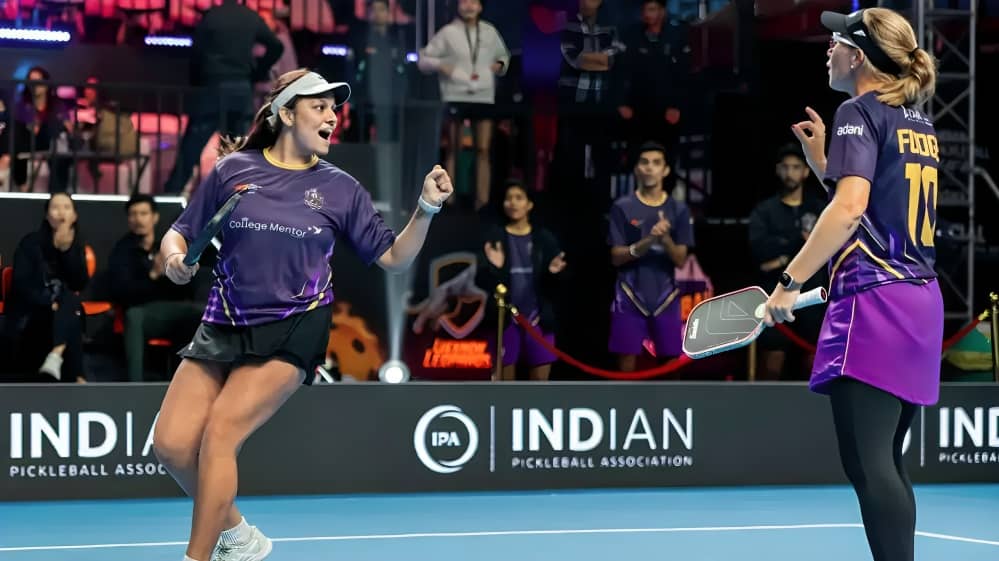
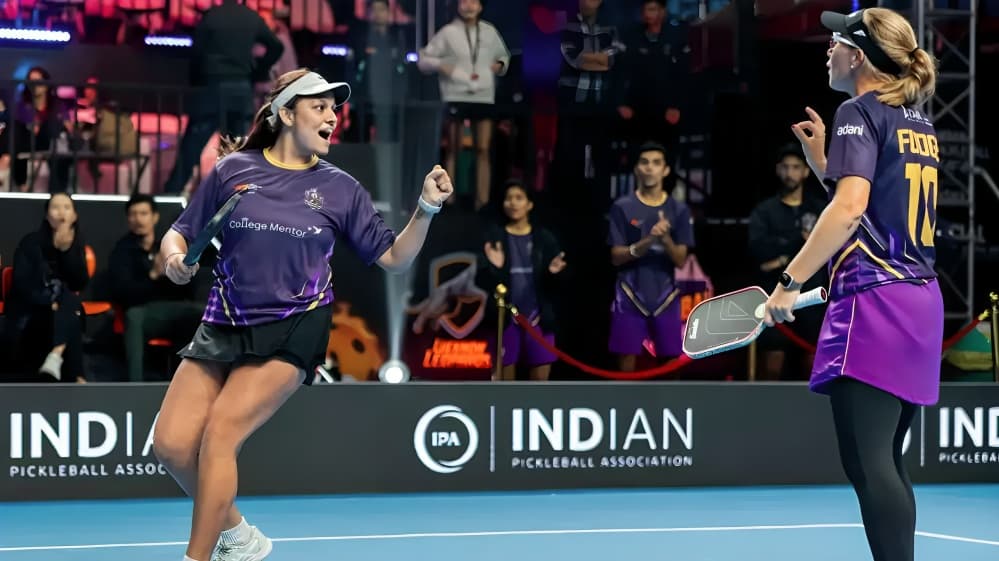
Indian pickleball player Shreya Chakraborty has voiced optimism about pickleball becoming an Olympic sport, citing its rapid global expansion and increasing professional structure. Speaking after her campaign in the Indian Pickleball League (IPBL), Chakraborty said the sport’s trajectory suggests Olympic inclusion is only a matter of time.
Chakraborty pointed out that pickleball has witnessed remarkable growth over the past few years, with rising participation across Asia, Europe, and North America. She noted that the sport’s simple rules, fast-paced gameplay, and accessibility have helped it attract players of all age groups. According to her, these factors make pickleball well-suited for the Olympic platform.
Reflecting on her experience in the IPBL, Chakraborty said the league has played a significant role in improving the standard of play in India. The tournament provided players with exposure to high-intensity competition, professional training environments, and structured match formats. She emphasized that leagues like IPBL help build a sustainable ecosystem for the sport by offering athletes regular competition and visibility.
Chakraborty also highlighted the importance of governance and international representation in the Olympic journey. She said that as more countries establish national federations and participate in international tournaments, pickleball’s global footprint continues to expand. This, she believes, strengthens the sport’s case for recognition by the International Olympic Committee.
Sports administrators have echoed similar views, noting that pickleball is increasingly being organized under unified rules and competitive frameworks. The rise of professional leagues, ranking systems, and international championships has helped the sport move beyond recreational status toward a more structured competitive model.
The inclusion of new sports in the Olympics often depends on factors such as global participation, gender equality, youth appeal, and organizational strength. Chakraborty believes pickleball meets many of these criteria, particularly due to its mixed-gender formats and growing popularity among younger athletes.
In India, pickleball has seen steady growth, with more players taking up the sport and more tournaments being organized at the national level. Chakraborty said increased grassroots development and institutional support will be key to ensuring Indian players remain competitive as the sport grows globally.
While there has been no official announcement regarding pickleball’s Olympic inclusion, discussions around its future continue to gain momentum. Chakraborty’s confidence reflects a broader belief within the pickleball community that the sport is moving in the right direction.
As pickleball continues to evolve, players, officials, and fans alike are watching closely to see whether it will achieve Olympic status in the coming years. For Chakraborty, the signs are encouraging, and she believes the sport’s progress makes its Olympic future increasingly likely.