The return of the BWF World Championships to India in 2026 is more than a major sporting event. It is also a reflection of how dramatically Indian badminton has changed over the past 17 years. When India last hosted the tournament in Hyderabad in 2009, the country was still searching for a consistent presence among the leading badminton nations. The championship has now returned to New Delhi, with Indian players entering the competition with significantly greater expectations and international recognition.
The 2009 edition was held in Hyderabad and marked the first time India hosted the BWF World Championships. At that stage, China was the dominant force in international badminton. Indian players had talent and potential, but the country did not yet possess the depth across different categories that it has today.
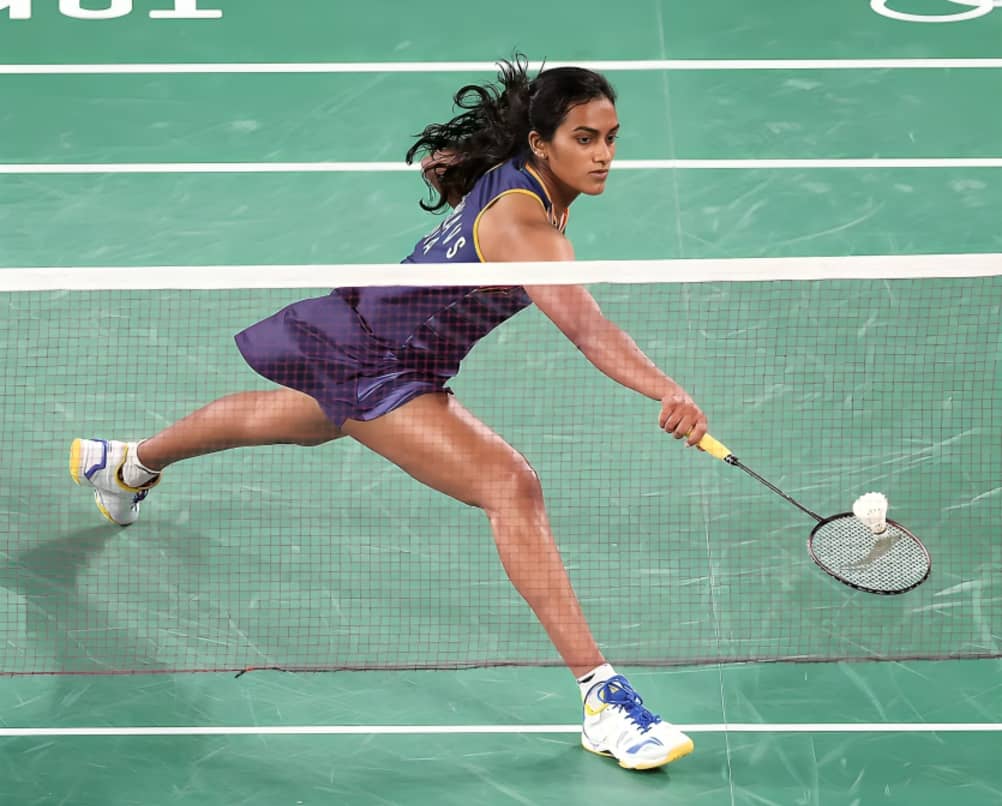
One of the young spectators at the 2009 event was PV Sindhu, who was only 14 at the time. Seventeen years later, Sindhu has become one of the most recognisable names in world badminton and one of India's most successful athletes. Her journey itself represents the transformation that Indian badminton has experienced since the Hyderabad edition.
The years following the 2009 championships witnessed a steady rise in Indian badminton. Saina Nehwal became a major international star and helped attract greater attention to women's badminton in India. Her success was followed by the emergence of PV Sindhu, who went on to win major international medals and establish herself among the world's leading players.
Sindhu's achievements gave a new generation of Indian players a visible example of what could be achieved at the highest level. She became the first Indian woman to win the World Championships singles title and subsequently added several major medals to her international record.
Indian men's badminton also experienced significant growth. Players such as Kidambi Srikanth, Lakshya Sen and other leading shuttlers helped India become increasingly competitive in men's singles. Lakshya Sen's performances at major international events have further strengthened India's position in the discipline.
Perhaps the biggest transformation has taken place in men's doubles. Satwiksairaj Rankireddy and Chirag Shetty have emerged as one of India's strongest international combinations. Their success has changed the perception of Indian badminton doubles and created a new generation of fans for the discipline.
The rise of Satwik and Chirag is particularly important because India's international success had traditionally been associated more strongly with singles players. Their performances have demonstrated that India can compete with the best doubles teams in the world as well.
The transformation has not been limited to individual players. Badminton has become increasingly popular at the grassroots level, with academies, professional coaching programmes and competitions providing young players with opportunities to develop their skills.
Training methods have also evolved. Indian players now have greater access to professional coaching, fitness programmes, sports science and international competition. These developments have helped athletes prepare more effectively for the physical and mental demands of elite badminton.
The commercial profile of the sport has also expanded. Successful Indian players have become prominent sporting personalities, attracting sponsors and media attention. Increased television and digital coverage has helped bring badminton to a much wider audience across the country.
The change is visible in the expectations surrounding the 2026 World Championships. In 2009, hosting the tournament itself was a significant achievement for India. In 2026, hosting the event comes with the additional expectation that Indian players can challenge for medals across different categories.
The 2026 championship is being held at the Indira Gandhi Indoor Stadium in New Delhi from August 17 to 23. It marks India's second opportunity to host the prestigious tournament after Hyderabad staged the event in 2009.
The Indian contingent features a combination of established stars and emerging players. PV Sindhu remains one of the biggest names in the women's singles field, while Lakshya Sen represents India's hopes in men's singles. Satwiksairaj Rankireddy and Chirag Shetty headline the men's doubles challenge.
At the same time, younger players such as Ayush Shetty and Unnati Hooda demonstrate that India's badminton pipeline continues to produce new talent. Their presence suggests that the country's progress is not dependent on one particular generation of players.
Another important change is the geographical spread of badminton talent. Training academies and development programmes have expanded beyond a small number of traditional centres. Young players from different parts of India are now gaining opportunities to compete at national and international levels.
The sport's growing popularity has also encouraged more parents and youngsters to consider badminton as a serious competitive career. This wider participation creates a larger talent pool from which future international players can emerge.
India's transformation can therefore be viewed as a combination of individual excellence, improved infrastructure, better coaching, wider participation and stronger commercial support. The progress has taken place gradually rather than through a single breakthrough.
The difference between 2009 and 2026 is particularly evident in the confidence surrounding the Indian team. The country is no longer simply participating in the World Championships as host. Indian players are entering the tournament with genuine medal ambitions.
The return of the World Championships to India provides an opportunity to showcase that transformation in front of a home audience. The tournament is also a chance for younger players to gain experience by competing alongside established international stars.
The journey from Hyderabad in 2009 to New Delhi in 2026 therefore represents an important chapter in Indian sporting history. Seventeen years ago, India was still developing its presence on the global badminton stage. Today, the country has world-class players, competitive doubles teams, a growing domestic ecosystem and millions of supporters following the sport.
The challenge now is to maintain that progress. The emergence of new players will be crucial as established stars eventually move towards the later stages of their careers. Continued investment in coaching, grassroots development, sports science and international exposure will determine whether India can remain among the world's leading badminton nations.
The 2026 BWF World Championships provide a timely measure of India's progress. With the world's best players competing in New Delhi, Indian badminton has an opportunity to demonstrate how far it has travelled since the 2009 Hyderabad edition.
From a country seeking greater recognition to a nation with genuine medal ambitions, India's badminton journey over the past 17 years has been remarkable. The 2026 World Championships are not simply another tournament on the sporting calendar. They represent the latest chapter in India's transformation into a major force in international badminton.