The National Sports Awards have brought recognition to 17 Indian athletes for their performances at the international level, with the Arjuna Award list featuring several prominent names from athletics, chess, boxing, badminton and other sporting disciplines.
The awards were announced on August 18, 2026. One of the biggest talking points this year is that no sportsperson has been selected for the Major Dhyan Chand Khel Ratna, India's highest sporting honour. The last time the country did not have a Khel Ratna recipient was in 2014.
Among the athletes recognised with the Arjuna Award are chess player Divya Deshmukh, decathlete and high jumper Tejaswin Shankar, chess Grandmaster Vidit Gujrathi, boxer Narender, badminton player Gayatri Gopichand and several other athletes.
The recognition for Divya Deshmukh comes after a remarkable period in her chess career. She became the first Indian woman to win the FIDE Women's World Cup, establishing herself as one of the country's leading young chess players.
Tejaswin Shankar is another prominent name on the list. The athlete has represented India in high jump and decathlon and has won major international medals. His inclusion recognises his consistent performances across international competitions.
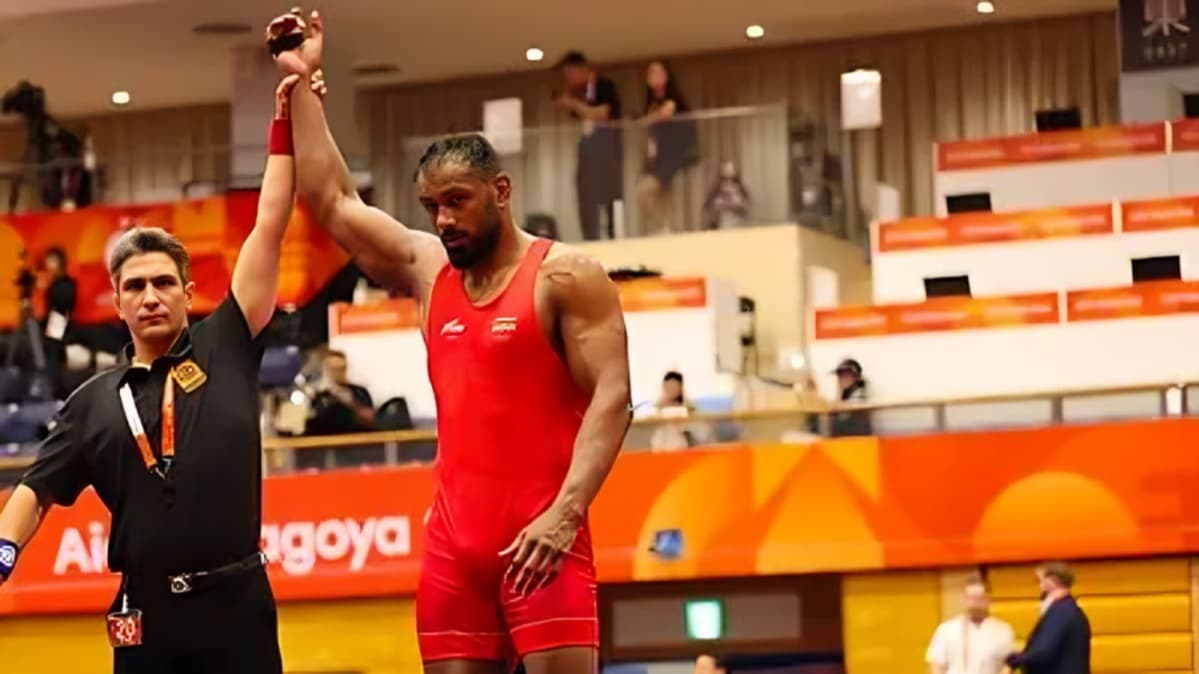
Boxer Narender is also among the awardees. His achievements at major international competitions have helped establish him as one of India's notable boxing talents.
The Arjuna Award list also includes Vidit Gujrathi, one of India's leading chess Grandmasters. His performances at international chess competitions and his contribution to India's team success have earned him national recognition.
Badminton player Gayatri Gopichand has also been selected for the award. She has emerged as one of India's prominent doubles players and has represented the country at major international competitions.
The list reflects the diversity of Indian sport. Athletes from disciplines including athletics, boxing, chess, badminton, hockey, kabaddi, shooting, gymnastics, rowing, wrestling, polo, kho kho and para-sports have been recognised.
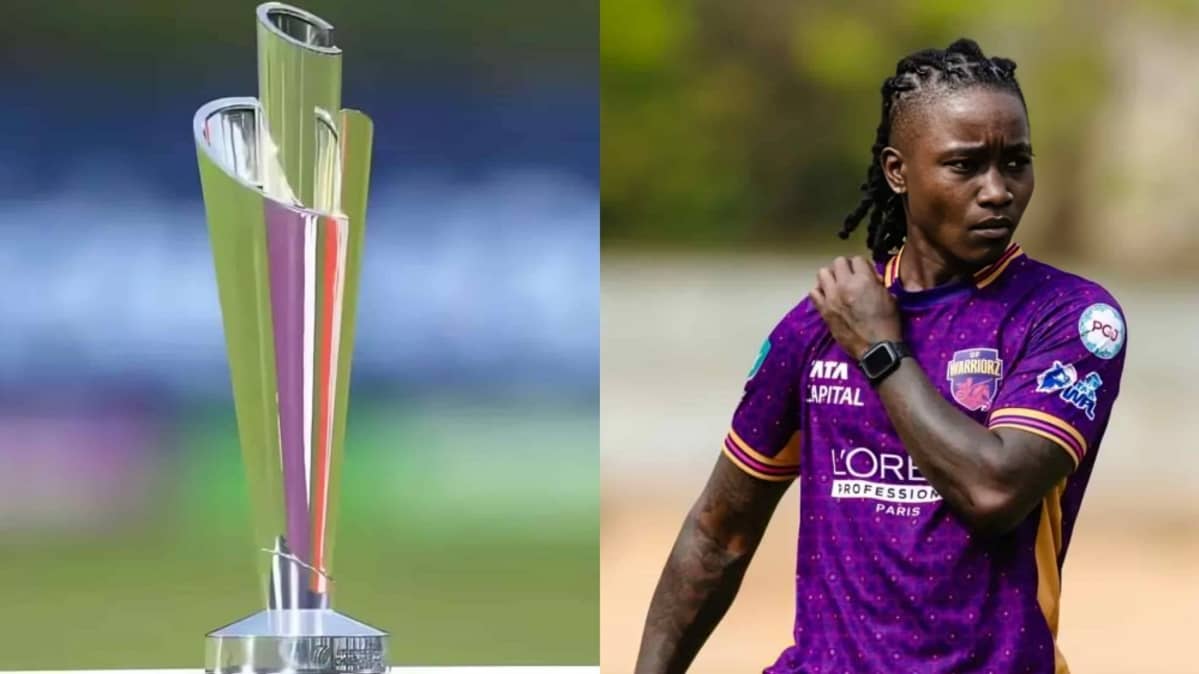
The absence of a cricketer is another notable feature of this year's list. Cricket has traditionally received considerable attention in India's national sports awards, but no cricketer has been included among the 17 Arjuna Award recipients this year.
The selection also highlights athletes competing in sports beyond cricket, giving national recognition to performances achieved across a broad range of disciplines.
The Arjuna Award is presented to sportspersons who have demonstrated consistent outstanding performance at the international level. The award is one of India's most recognised sporting honours and is intended to acknowledge athletes who have contributed significantly to the country's sporting achievements.
This year's list includes both established athletes and younger competitors who have made a mark on the international stage.
Divya Deshmukh's selection is particularly significant because of the rapid rise of women's chess in India. Her World Cup success added another major achievement to the country's growing list of international chess successes.
Vidit Gujrathi's selection alongside Deshmukh also highlights the strength of Indian chess. India has increasingly become a major force in international chess, with players from the country winning major individual and team competitions.
Tejaswin Shankar's recognition is important for Indian athletics. His performances in high jump and decathlon have made him one of the country's prominent multi-discipline athletes.
The award list also includes athletes from team sports. Hockey players Rajkumar Pal and Lalremsiami are among those recognised. Their inclusion reflects the importance of hockey in India's sporting history and its continued presence at the international level.
Kabaddi players Surjeet and Pooja have also been selected. Kabaddi has become an important part of India's sporting landscape, with Indian players regularly competing successfully at international events.
Kho kho athlete Nirmala Bhati is another notable inclusion. The recognition provides greater visibility to an indigenous sport that has been receiving increased national and international attention.
Shooting is represented by athletes including Akhil Sheoran and Mehuli Ghosh. Both have competed successfully at major international events and have contributed to India's strong presence in shooting.
Mehuli Ghosh has previously won medals at the World Championships and Asian Championships. Her inclusion recognises her sustained performance in the sport.
Gymnast Pranati Nayak is also among the awardees. She has represented India at major international competitions and has been one of the country's prominent female gymnasts.
The list also includes rower Arvind Singh, wrestler Sonam Malik and polo player Padmanabh Singh.
Para-sport is represented by athletes including Rudransh Khandelwal and Ekta Bhyan. Their inclusion demonstrates the continued recognition of athletes competing in para-sport disciplines.
Dhanush Srikanth, a deaf shooter, is another athlete included among the awardees. His recognition highlights the achievements of athletes competing in specialised sporting categories.
The National Sports Awards are designed to recognise performances across different sporting disciplines, and this year's list follows that broad approach.
Another notable development is the recognition of athletes associated with newer or less mainstream sporting disciplines. The awards provide an opportunity for athletes from such sports to gain national visibility.
The selection process is carried out by a committee comprising experienced sportspersons and officials. The recommendations are then considered by the relevant authorities before the final awards are announced.
The absence of a Khel Ratna recipient has attracted particular attention because the Major Dhyan Chand Khel Ratna is India's highest sporting honour.
According to reports, this is only the third time since the award was introduced that no athlete has been selected for the honour. Previous instances were reported in 2008 and 2014.
The situation is different from the previous year, when four athletes were honoured with the Khel Ratna. The contrast has made this year's decision a significant point of discussion in Indian sports circles.
The Khel Ratna is awarded for outstanding sporting achievements, while the Arjuna Award recognises consistent international-level performance.
Although there is no Khel Ratna recipient this year, the 17 Arjuna Award selections ensure that several Indian athletes receive national recognition for their achievements.
The list also demonstrates the increasing depth of Indian sport beyond a small number of traditionally popular disciplines.
Chess has two representatives, while athletics, badminton, hockey and other sports have multiple athletes receiving recognition.
The inclusion of Divya Deshmukh is especially notable because of her age and rapid rise. Her World Cup victory was a landmark achievement in Indian women's chess.
Tejaswin Shankar's award reflects another aspect of Indian athletics, where athletes are increasingly competing successfully in multiple events.
The recognition of Narender provides another boost to Indian boxing, a sport that has produced several international medal winners for the country.
Badminton's representation through Gayatri Gopichand and Treesa Jolly also highlights India's growing strength in doubles competition.
The awards therefore cover both individual and team-based sporting achievements.
Another significant aspect is that the list does not contain any cricket player. The absence does not reduce the significance of cricket in Indian sport, but it indicates that this year's recognition has been distributed among athletes from other disciplines.
The 2026 awards are also important because Indian athletes recently competed at the Commonwealth Games in Glasgow, where the country produced strong performances across several sports.
Athletes who have performed at major international competitions often form an important part of the selection process for national sporting honours.
The recognition of athletes from different disciplines can also encourage younger competitors to pursue sports that receive less mainstream attention.
For athletes, an Arjuna Award represents both national recognition and acknowledgement of sustained sporting achievement.
The honour can also increase the visibility of a particular sport and inspire greater participation among young people.
This year's selection has therefore created significant interest among sports fans, particularly because of the combination of established names and emerging athletes.
The Arjuna Award list also shows the growing importance of women's sport in India. Divya Deshmukh, Gayatri Gopichand, Treesa Jolly, Lalremsiami, Mehuli Ghosh, Pranati Nayak, Sonam Malik and Ekta Bhyan are among the women receiving recognition.
Their achievements represent India's growing participation and success in international women's sport.
The recognition of para-athletes and deaf athletes further broadens the representation within the awards.
The selection of athletes from a wide variety of disciplines demonstrates that national sporting success is no longer limited to a handful of major sports.
The absence of the Khel Ratna will nevertheless remain the biggest headline surrounding this year's awards. The decision means there will be no recipient of India's highest sporting honour for the year covered by the awards.
At the same time, the 17 Arjuna Award selections ensure that outstanding performances receive national acknowledgement.
For Indian sports, the awards provide an opportunity to celebrate achievements from the previous sporting cycle and highlight athletes who could become important figures in the country's future international campaigns.
Divya Deshmukh's emergence in chess, Tejaswin Shankar's achievements in athletics, Narender's progress in boxing and Gayatri Gopichand's performances in badminton are among the major stories associated with this year's list.
The awards also provide recognition to athletes from hockey, kabaddi, kho kho, shooting, gymnastics, rowing, wrestling, polo and para-sports.
Overall, the National Sports Awards 2026 have recognised 17 athletes with the Arjuna Award while leaving the Khel Ratna category without a recipient. The decision marks a rare occurrence in the history of India's highest sporting honour. At the same time, the Arjuna list highlights the country's growing sporting diversity and recognises athletes who have produced notable performances across a wide range of disciplines.
The absence of a cricketer is another defining feature of this year's selections. With athletes from chess, athletics, boxing, badminton, hockey, shooting and several other disciplines included, the awards place the spotlight firmly on India's broader sporting talent.