
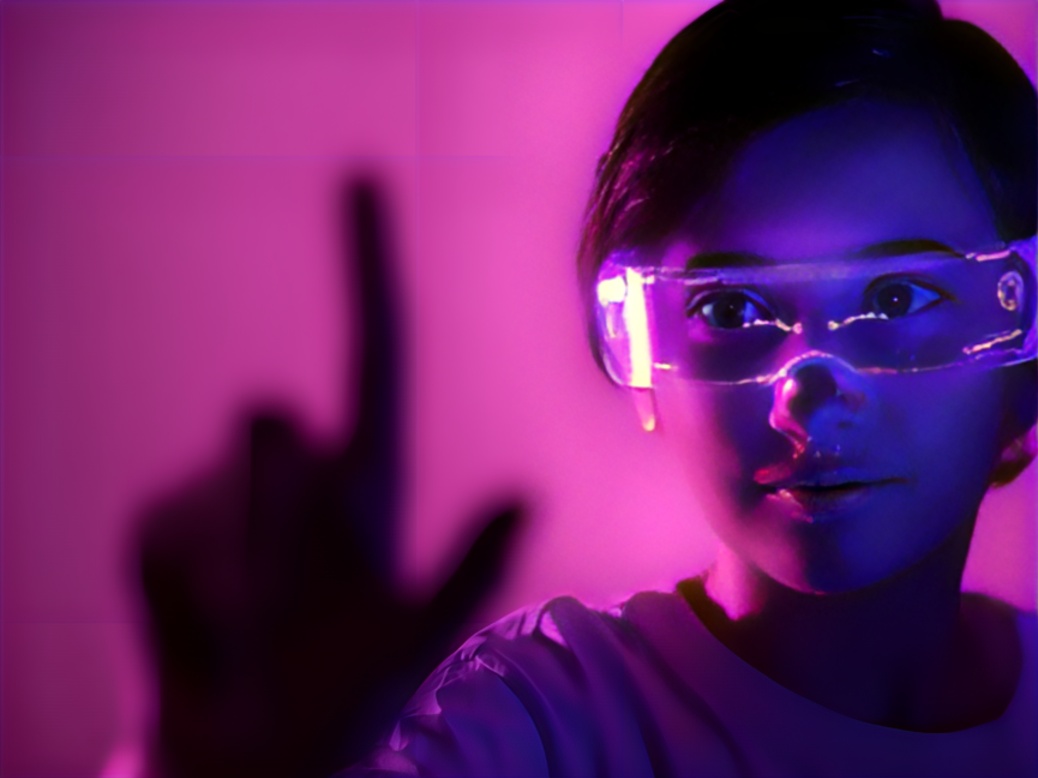
Technology companies are increasingly exploring AI powered wearable devices as they look beyond smartphones and develop new ways for people to interact with digital services. Smart glasses are currently among the most visible products in this emerging category, offering features such as hands free photography, video recording, voice assistance, navigation and access to artificial intelligence services. However, the rapid development of these devices is being accompanied by growing concerns about privacy, consent and surveillance.
The latest concerns have focused particularly on Meta’s AI powered smart glasses. Reuters reported on September 22, 2026, that companies pursuing a post smartphone era are facing privacy concerns that could affect the wider adoption of AI wearables. Meta’s smart glasses have attracted significant attention because they combine cameras, microphones and AI capabilities in a product that can be worn throughout everyday activities.
One of the central privacy concerns is that smart glasses can potentially record people without those individuals immediately realizing that they are being filmed. Unlike a smartphone, which is normally visible when someone is holding it up to record, a pair of glasses can appear similar to ordinary eyewear. This has raised questions about whether people nearby can clearly understand when a recording is taking place and whether they have a meaningful opportunity to object.
There have already been reports of people being recorded without their knowledge. CBS News reported in August that a woman discovered she had been secretly filmed by a person wearing Meta AI glasses, with the footage later appearing on social media. Meta said its glasses include privacy and safety features, including a capture LED that indicates when recording is taking place.
Legal and institutional scrutiny has also increased. Courts in England and Wales have prohibited Meta glasses from being used inside court buildings because recording images or video in courts is restricted. New York’s court system has also introduced restrictions intended to prevent people from secretly recording court proceedings with smart glasses.
The concerns are not limited to courts. Reuters reported that French authorities have also increased scrutiny of smart glasses. Paris prosecutors opened a criminal investigation related to suspected sexual harassment involving smart glasses, while French data protection authorities received complaints concerning the technology. These developments illustrate how the social and legal implications of wearable cameras are becoming an international issue.
Privacy concerns have also been raised by regulators. Australia’s eSafety Commissioner has advised that companies developing smart glasses should consider stronger safeguards, including measures that could automatically blur the faces of people captured by cameras. The regulator acknowledged that smart glasses can provide benefits, including accessibility applications, while also warning about privacy and safety risks.
Meta has defended the privacy measures built into its AI glasses. According to the company, the devices include a white capture LED that blinks when photographs or videos are being captured for the wearer’s gallery. Meta says the indicator cannot be switched off and that the camera is designed to stop functioning if the capture light is blocked or physically tampered with. The company has also said it continues to improve its safeguards as the technology becomes more widely used.
However, the effectiveness of such safeguards has itself become part of the wider debate. CBS News reported that testing of the recording indicator raised questions about how the anti-tampering system works under particular circumstances. Meta responded that its system is designed to prevent recording when the capture LED is obstructed before recording begins and said it continues to improve the technology.
The privacy debate comes at a significant time for the wearable technology industry. Companies are experimenting with smart glasses, AI pins, pendants and other devices as they search for computing platforms that could eventually complement or replace some smartphone functions. Reuters reported that Samsung is also preparing smart glasses, while other technology companies are exploring different approaches to AI wearables.
For the industry, the challenge is not simply building devices with more powerful AI capabilities. Companies also need to establish rules and technical safeguards that address the rights of people who may be captured or analyzed by these devices even when they are not the owners or users.
The issue becomes more complicated as AI systems gain the ability to interpret images, identify objects, understand conversations and respond to questions about the surrounding environment. A wearable camera can potentially collect information about people, locations and activities that extends beyond the person wearing the device.
The debate therefore involves several separate questions, including whether recording is clearly indicated, how captured data is stored, whether information is processed locally or remotely, how long data is retained, who can access it and what happens when recordings are shared online.
The growing scrutiny does not necessarily mean that AI wearables will fail to gain wider adoption. Smart glasses continue to attract consumers because they can provide hands free access to cameras, music, calls, navigation and AI assistants. However, the technology's long term acceptance is likely to depend partly on whether users and the wider public trust the privacy protections surrounding these devices.
As technology companies target the post smartphone era, smart glasses are increasingly becoming a test of how society balances convenience and artificial intelligence with personal privacy. The current legal investigations, restrictions and public concerns show that technological progress is being accompanied by demands for clearer safeguards and responsible use.
The reported privacy concerns and legal actions should not be interpreted as findings that all smart glasses are inherently unsafe or that Meta has been found liable in every allegation. Many of the reported matters remain allegations, investigations or policy disputes. Meta has publicly described the privacy safeguards incorporated into its products, while regulators, courts and users continue to examine how these devices should be used in public spaces.