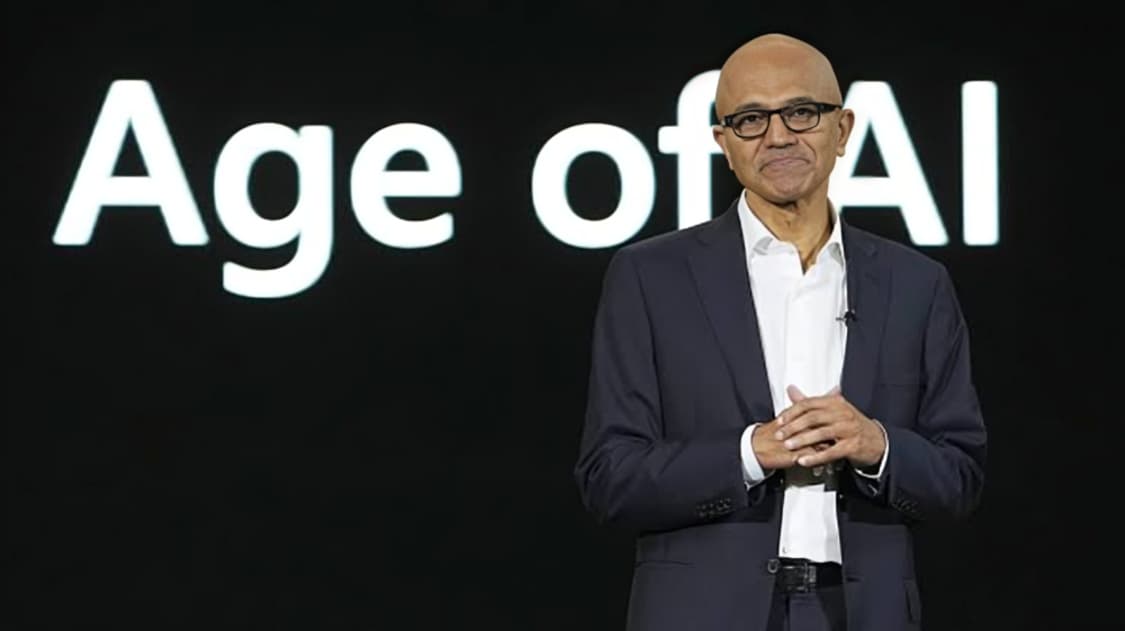
Michael Dell, the chief executive of Dell Technologies, has highlighted a potential surge in global demand for memory chips driven by the rapid expansion of Artificial Intelligence. According to his assessment, demand for memory components could increase significantly in the coming years, potentially leading to supply constraints and higher costs across the technology industry.
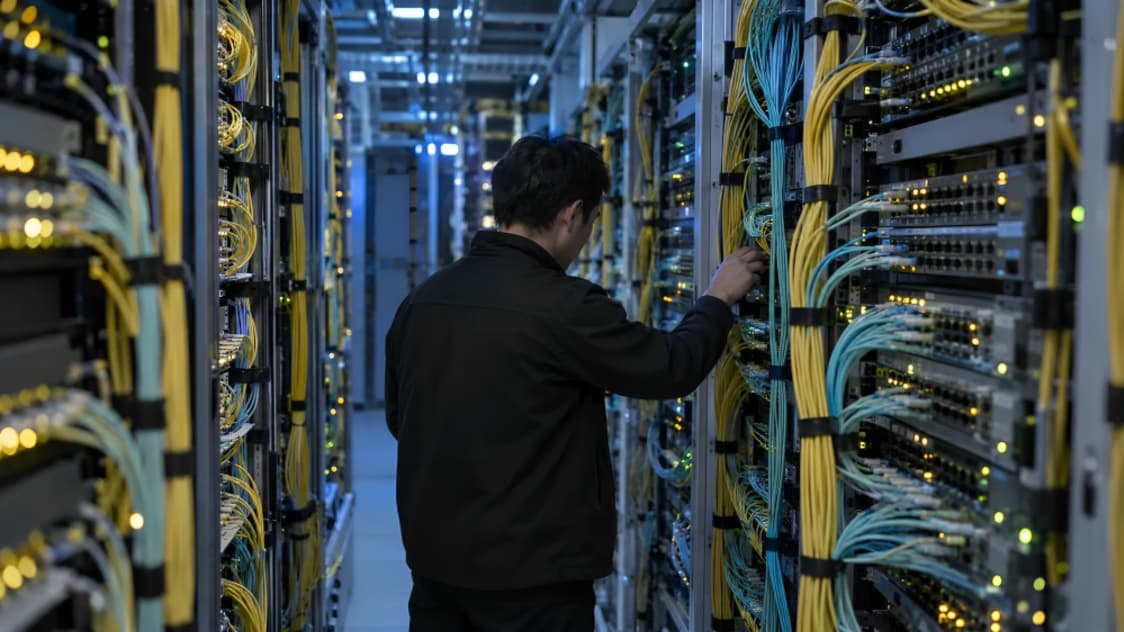
Artificial intelligence technologies rely heavily on advanced computing infrastructure, including high performance processors and large volumes of memory. As AI applications become more complex, they require greater computational power and data storage capacity. This has resulted in a growing need for memory chips, particularly in areas such as machine learning, data analytics and cloud computing.
Michael Dell indicated that the scale of demand could rise dramatically by 2028, putting pressure on existing supply chains. Memory manufacturers may face challenges in scaling production quickly enough to meet this demand. As a result, prices for memory components such as RAM are expected to increase, which could have a direct impact on the cost of electronic devices.
The potential rise in memory prices is likely to affect a wide range of products, including personal computers, graphics processing units and data centre infrastructure. These components are essential for both consumer and enterprise applications, meaning that cost increases could be felt across multiple sectors. For businesses, higher hardware costs could influence investment decisions and operational expenses.
The issue is further complicated by the global nature of semiconductor supply chains. Manufacturing memory chips involves complex processes and requires significant investment in infrastructure and technology. Any disruptions or delays in production can have widespread effects on availability and pricing. Geopolitical factors and trade policies can also influence the supply of semiconductor components.
Industry experts note that the rapid adoption of AI is a key driver behind this trend. Companies across various sectors are integrating AI into their operations to improve efficiency and gain competitive advantages. This widespread adoption is increasing demand for computing resources, including memory, at an unprecedented rate.
At the same time, there are efforts underway to address potential shortages. Semiconductor companies are investing in expanding production capacity and developing new technologies to improve efficiency. Governments in several countries are also supporting initiatives to strengthen domestic semiconductor manufacturing capabilities.
Despite these efforts, balancing supply and demand remains a significant challenge. The time required to build new manufacturing facilities and scale production means that shortages could persist in the short to medium term. This could lead to continued volatility in memory prices.
For consumers, the impact may be seen in higher prices for electronic devices such as laptops and smartphones. For businesses, increased costs could affect budgets and slow down the adoption of new technologies. However, some analysts believe that innovation and competition within the industry may help mitigate the impact over time.
In conclusion, the warning from Michael Dell highlights the growing influence of artificial intelligence on the global technology landscape. As demand for memory chips continues to rise, the industry faces the challenge of ensuring adequate supply while managing costs. The outcome will play a crucial role in shaping the future of technology and its accessibility to users worldwide.