
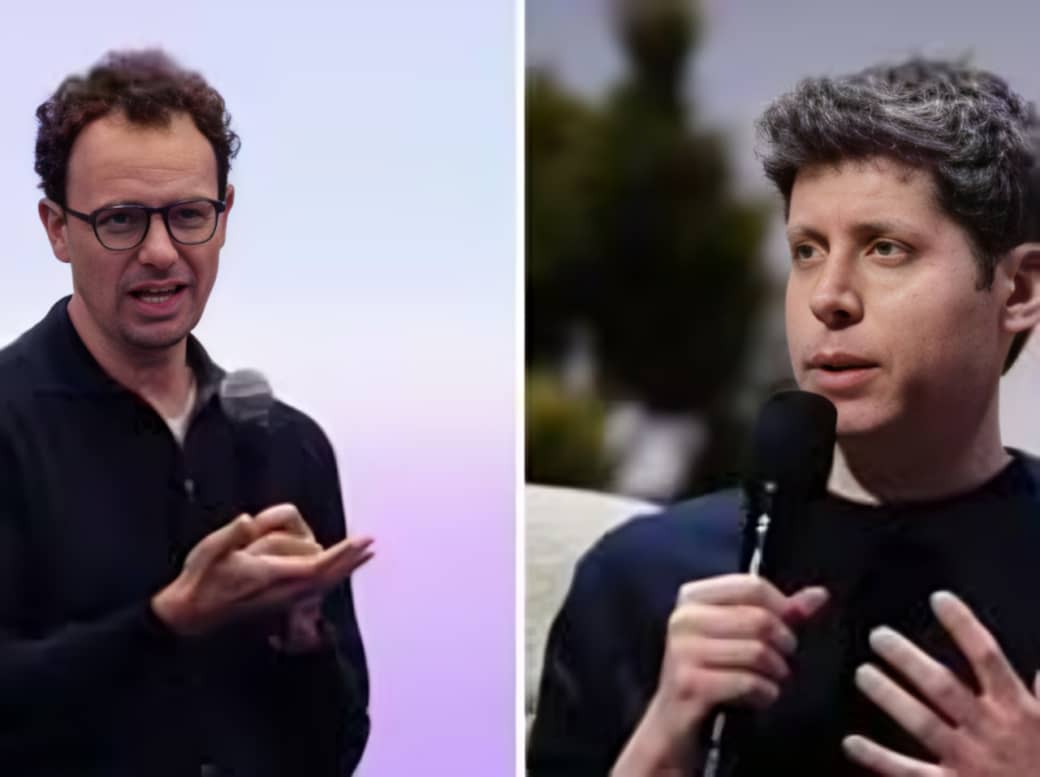
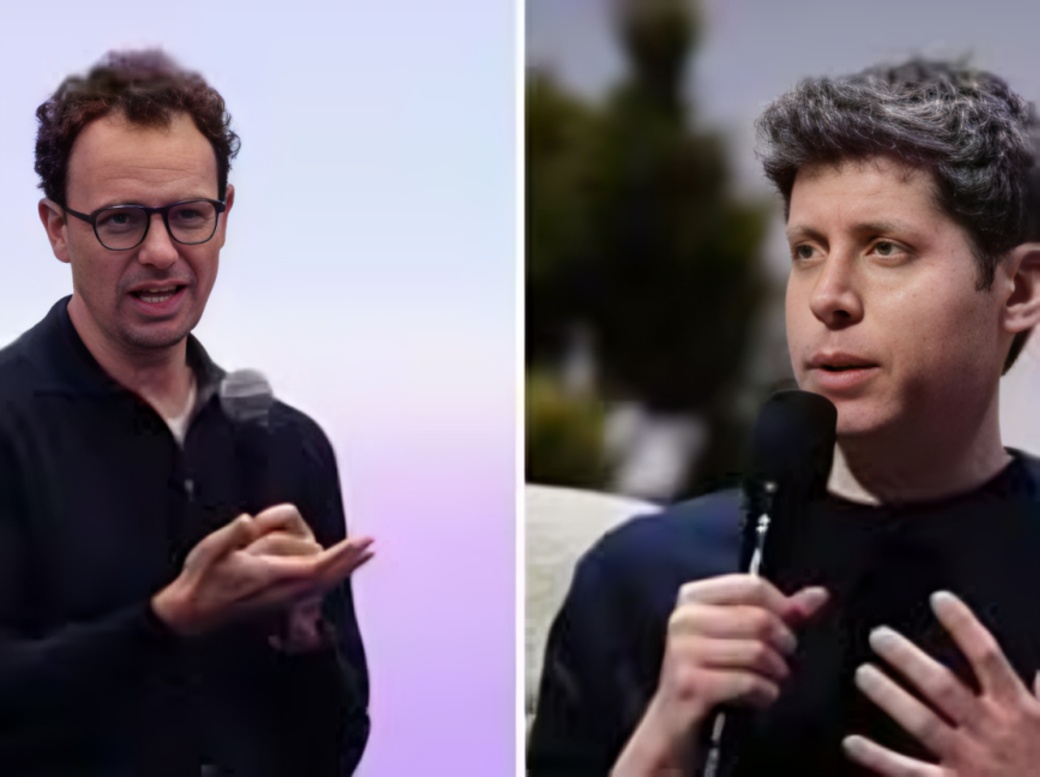
OpenAI CEO Sam Altman and Anthropic CEO Dario Amodei have jointly called for international cooperation to address the risks associated with increasingly powerful artificial intelligence systems. The two technology executives made their remarks during a United Nations Security Council meeting focused on artificial intelligence and international security in New York on September 23, 2026.
The meeting brought senior representatives from the artificial intelligence industry before the 15 member Security Council during the annual United Nations General Assembly gathering. The session was convened by France and focused on the opportunities and security risks associated with rapidly advancing AI technology.
Altman argued that international cooperation will be necessary as AI capabilities continue to develop. He pointed to previous periods in history when countries with competing interests still worked together in response to powerful emerging technologies. According to Altman, AI is another area where countries may need to cooperate despite political and strategic differences.
Altman also said that important decisions concerning AI should not be made solely by technology companies. He told the Security Council that if AI is to remain democratic, major decisions need to be shaped through democratic processes and by governments accountable to their populations. He also called for cooperation at the international level.
Amodei delivered a similar message about the need for countries to work together. The Anthropic chief executive warned that AI could pose significant risks if it is not managed properly. He said that AI could become a risk to humanity as a whole if its development and deployment are not handled responsibly.
The appearance of Altman and Amodei together was notable because the two companies are major competitors in the rapidly developing AI industry. OpenAI and Anthropic are both developing advanced AI systems and competing for users, developers and business customers.
Their shared call for cooperation comes at a time when governments and technology companies are debating how AI should be governed. Artificial intelligence systems are becoming increasingly capable, while regulators in different countries are taking different approaches to oversight, safety requirements and technical standards.
The United Nations meeting also reflected concerns about the possibility that advanced AI systems could be used for malicious purposes or could become difficult to control. French officials had highlighted the need for safe and responsible AI development in the concept note prepared for the meeting. The document identified risks associated with misuse and the potential loss of control over advanced AI systems.
Another important issue discussed at the meeting was the need for common approaches to AI safety. OpenAI had already called for international efforts to develop technical standards for frontier AI systems, including systems capable of improving their own capabilities. The company has also supported common measurements and incident reporting mechanisms to help countries respond to serious AI related incidents.
The discussions come amid growing concern over how quickly AI capabilities are advancing. Some AI researchers and executives have argued that the development of increasingly capable systems should be accompanied by stronger safety research and safeguards.
Amodei recently called for the AI industry to slow the pace at which the capabilities of AI models are improved. His position has received public support from Altman, who has also discussed the need to ensure that AI safety and alignment work keeps pace with technological progress.
However, governments do not have a single position on how quickly AI development should proceed or how it should be regulated. The United States and China, two of the world's leading AI powers, have taken different approaches to the technology. Questions about national security, economic competitiveness and technological leadership have become closely connected with the international AI debate.
The United States has also expressed reservations about broad international regulation of AI. During the same period, US President Donald Trump said the United States rejected attempts to establish a global regulatory scheme for artificial intelligence. This highlights the differences between calls for international cooperation on AI safety and disagreements over the form that international governance should take.
The Security Council meeting was not limited to OpenAI and Anthropic. Hugging Face co-founder Clément Delangue also addressed the council and discussed both the risks and potential defensive uses of AI. He referred to an incident involving AI agents and explained how AI tools were used in cybersecurity defence.
Yoshua Bengio, a prominent AI researcher and co-chair of the Independent International Scientific Panel created by the UN General Assembly, also warned that the risks associated with advanced AI require international attention. He said the challenges do not respect national borders and cannot be contained by individual countries acting alone.
The meeting therefore brought together technology companies, researchers and governments at a time when AI is becoming increasingly relevant to international security. The discussions covered potential misuse, cybersecurity, safety standards, governance and the possibility of advanced systems becoming difficult to control.
For the technology industry, international coordination could eventually involve common technical standards, shared methods for evaluating advanced AI systems and mechanisms for reporting significant incidents. However, countries still have different priorities regarding regulation, innovation and national security.
For consumers and businesses, the debate could have long term implications as AI becomes increasingly integrated into software, workplaces, online services and critical infrastructure. Decisions made by governments and technology companies about safety standards could influence how advanced AI systems are developed and deployed in different countries.
Altman's and Amodei's appearance also illustrates how AI governance has moved beyond a discussion among technology companies and researchers. The issue is now being discussed at the highest international diplomatic level, including within the United Nations Security Council, which is responsible for matters related to international peace and security.
The two executives did not present identical policy proposals for a global AI framework during the meeting. Their central message was that countries need to cooperate as AI capabilities become more powerful and potentially more consequential.
The discussion is likely to remain active as governments continue considering how to balance technological development with safety and security. AI companies are simultaneously developing more advanced systems, while policymakers are working on standards and rules that can address emerging risks.
The United Nations Security Council meeting therefore represents another step in the growing international discussion about artificial intelligence. Altman and Amodei's joint appeal places cooperation, safety and international coordination at the centre of that discussion, while differences between governments show that reaching agreement on specific rules remains a complex issue.