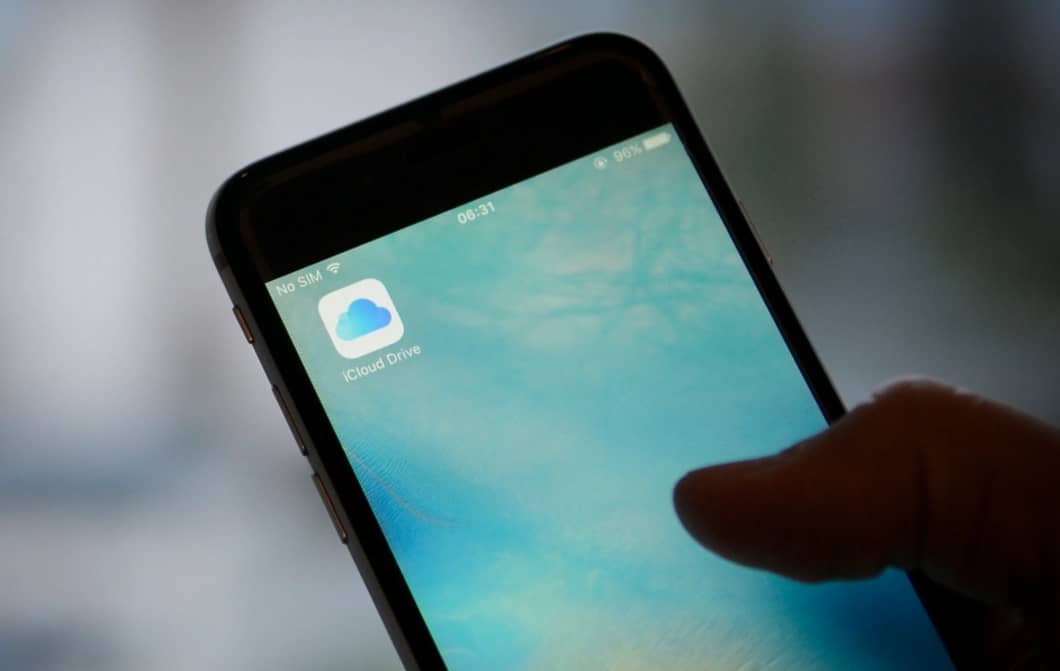

Apple has initiated another legal challenge against the United Kingdom government over its request for access to encrypted user data stored on Apple devices and services. The dispute highlights the continuing debate between technology companies and governments over balancing digital privacy with law enforcement and national security requirements.
According to reports, the UK government has sought lawful access to certain encrypted user information as part of its broader legal framework governing electronic communications and investigations. Apple has responded by pursuing legal action, arguing that creating any mechanism to bypass encryption could compromise the security and privacy of all users.
Encryption is a security technology that converts data into unreadable information, allowing only authorized users with the correct digital keys to access the original content. It is widely used to protect messages, photographs, documents, financial information, passwords, and other sensitive personal data stored on smartphones, computers, and cloud services.
Apple has consistently maintained that strong encryption is essential for protecting users against cybercrime, identity theft, unauthorized surveillance, and data breaches. The company argues that introducing any form of backdoor or exceptional access mechanism could create vulnerabilities that might eventually be exploited by malicious actors.
The United Kingdom government, however, has argued that law enforcement agencies require lawful access to digital evidence in certain circumstances to investigate serious crimes, terrorism, child exploitation, and other threats to public safety. Officials have stated that requests for access are intended to operate within the country's legal framework and judicial oversight mechanisms.
The disagreement reflects a broader international debate that has continued for several years. Governments in various countries have sought greater access to encrypted communications for criminal investigations, while technology companies, cybersecurity experts, and privacy advocates have generally opposed mandatory access requirements.
Cybersecurity specialists often warn that encryption systems cannot easily provide selective access for governments without affecting overall security. They argue that any technical method capable of bypassing encryption could potentially become a target for hackers, cybercriminals, or hostile state actors if discovered or compromised.
Supporters of strong encryption believe that secure communications are essential for protecting journalists, businesses, healthcare providers, financial institutions, government agencies, and ordinary citizens from cyber threats. They also argue that weakening encryption could expose sensitive personal and commercial information to increased security risks.
On the other hand, law enforcement authorities contend that widespread use of end to end encryption has made certain criminal investigations more difficult because investigators may be unable to access digital evidence even after obtaining legal authorization from courts.
Apple's legal action is expected to focus on whether the government's request is consistent with applicable laws governing privacy, security, and electronic communications. The case may also examine broader constitutional and human rights considerations relating to digital privacy and government powers.
Legal experts note that disputes involving encryption often involve complex technical, legal, and public policy questions. Courts may be required to balance competing interests, including the protection of individual privacy, cybersecurity, national security, and the effective administration of justice.
The outcome of the case could have wider implications for the global technology industry. Other technology companies, digital service providers, and software developers are closely monitoring developments because judicial decisions relating to encryption may influence future regulatory approaches in multiple jurisdictions.
For Apple users, there is currently no indication that existing security features or encryption protections have changed as a result of the ongoing legal proceedings. The dispute remains subject to judicial review, and no final legal determination has been made regarding the government's request.
As digital technologies continue to evolve, governments and technology companies are expected to remain engaged in discussions about the appropriate balance between privacy, cybersecurity, and lawful access to information. The Apple United Kingdom legal dispute is likely to become another significant case in the continuing global conversation about encryption and digital rights.