
CBSE Cyberattack Attempt Explained: What Is a Denial of Service Attack and Why It Matters
The Central Board of Secondary Education Central Board of Secondary Education has reported attempted cyberattacks targeting its re-evaluation and result-related online portal. The incident reportedly occurred during a period of high student traffic, when thousands of students were accessing the platform simultaneously for academic services.
According to initial reports, the attack appears to be a denial of service attempt, a type of cyber threat designed to disrupt online systems by overwhelming them with excessive requests. Such attacks do not necessarily involve data theft, but instead aim to make websites or digital services slow, unstable, or completely inaccessible to legitimate users.
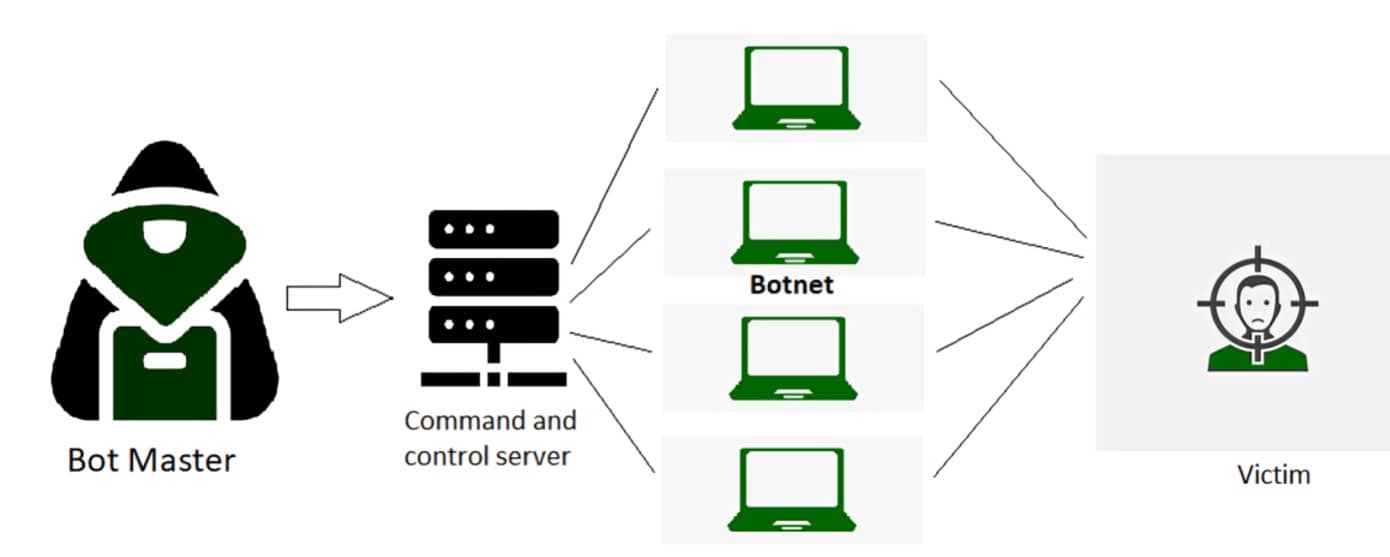
A denial of service attack works by flooding a server with more traffic than it can handle. This can be done using automated systems or compromised devices that send repeated requests to a targeted website. When the server becomes overloaded, it may crash or stop responding, preventing genuine users from accessing the service.
In more advanced cases, attackers may use distributed denial of service methods, where multiple systems across different locations are used to generate massive traffic. This makes it even more difficult for security systems to detect and block the attack in real time.
The CBSE portal is widely used by students across India for accessing examination results, re-evaluation applications, and other academic services. Because of the high volume of users during result-related periods, such platforms are often vulnerable to traffic spikes, whether intentional or natural.
Cybersecurity experts note that educational and government websites are common targets for such attacks due to their importance and heavy usage during specific time periods. Even short disruptions can cause widespread inconvenience to students and parents.
Authorities are reportedly monitoring the situation and strengthening security measures to ensure uninterrupted access to the portal. Technical teams typically respond to such incidents by filtering suspicious traffic, upgrading server capacity, and deploying advanced firewalls and intrusion detection systems.
While there is no confirmation of data breach or loss in this case, the incident highlights the increasing importance of cybersecurity preparedness in educational infrastructure. As more academic services move online, protecting these platforms from cyber threats has become a critical priority.
Experts also emphasize the need for regular security audits and real-time monitoring systems to prevent similar disruptions in the future. Awareness among users and administrators plays an important role in ensuring that essential services remain stable during peak usage periods.
The incident serves as a reminder of how digital systems supporting education must be protected against evolving cyber threats. Even non-destructive attacks like denial of service can significantly impact students if not addressed quickly and effectively.