
bot maintenance, AI system management, software development, engineering and technical support.
Businesses adopting advanced robotics typically aim to improve productivity, reduce operational costs and maintain consistent production quality. Automated systems can also help companies address workforce shortages in industries where recruiting sufficient labour has become increasingly challenging.
Experts believe that successful adoption of AI powered robotics will depend on balancing technological innovation with workforce development. Many organisations are expected to invest in employee training and reskilling programmes to help workers transition into roles that require technical expertise and oversight of automated systems.
Governments and policymakers around the world are also examining the economic and social implications of artificial intelligence and robotics. Discussions continue regarding labour policies, education initiatives and regulatory frameworks that encourage innovation while supporting workforce adaptation to technological change.
The robotics industry has experienced rapid growth in recent years, driven by advances in artificial intelligence, computer vision, machine learning and sensor technology. These developments have enabled robots to perform increasingly complex tasks with greater precision, flexibility and reliability than earlier generations of industrial machines.
As companies continue investing in automation, the demand for intelligent robotic systems is expected to grow across sectors including manufacturing, logistics, healthcare, retail and construction. The pace of adoption will likely depend on technological maturity, cost effectiveness and the ability of businesses to integrate AI systems into existing operations.
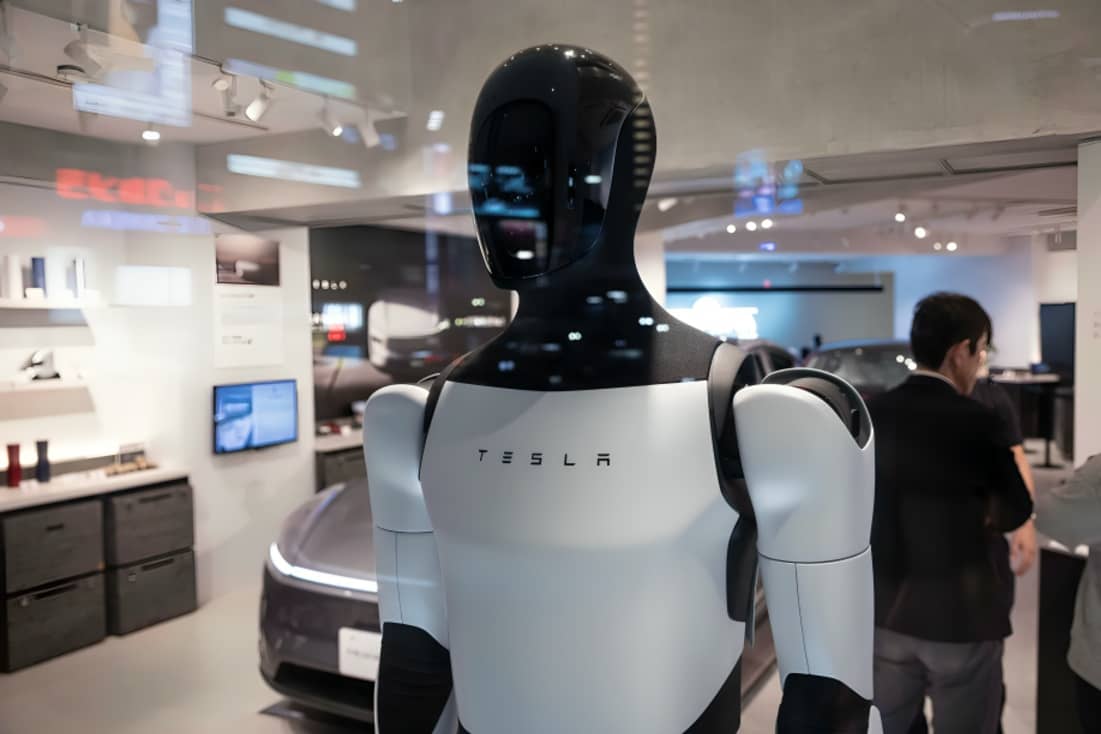
The unveiling of these humanoid robots represents another milestone in the evolution of industrial automation. While the technology offers significant opportunities for improving productivity and operational efficiency, it also highlights the importance of preparing workers for a changing employment landscape shaped by advances in artificial intelligence and robotics.