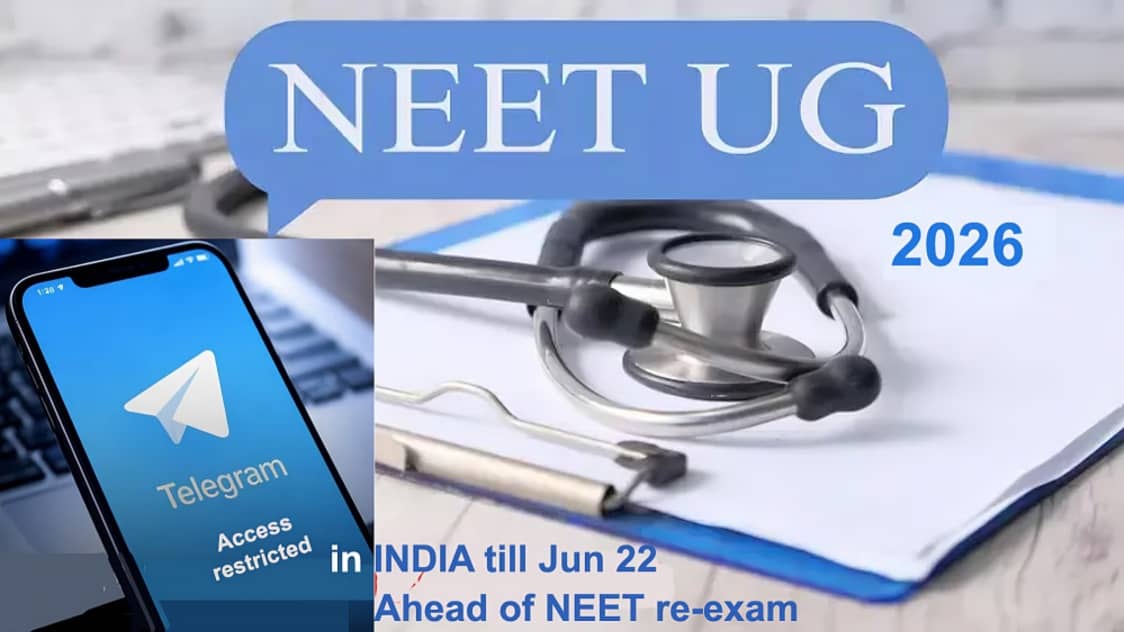
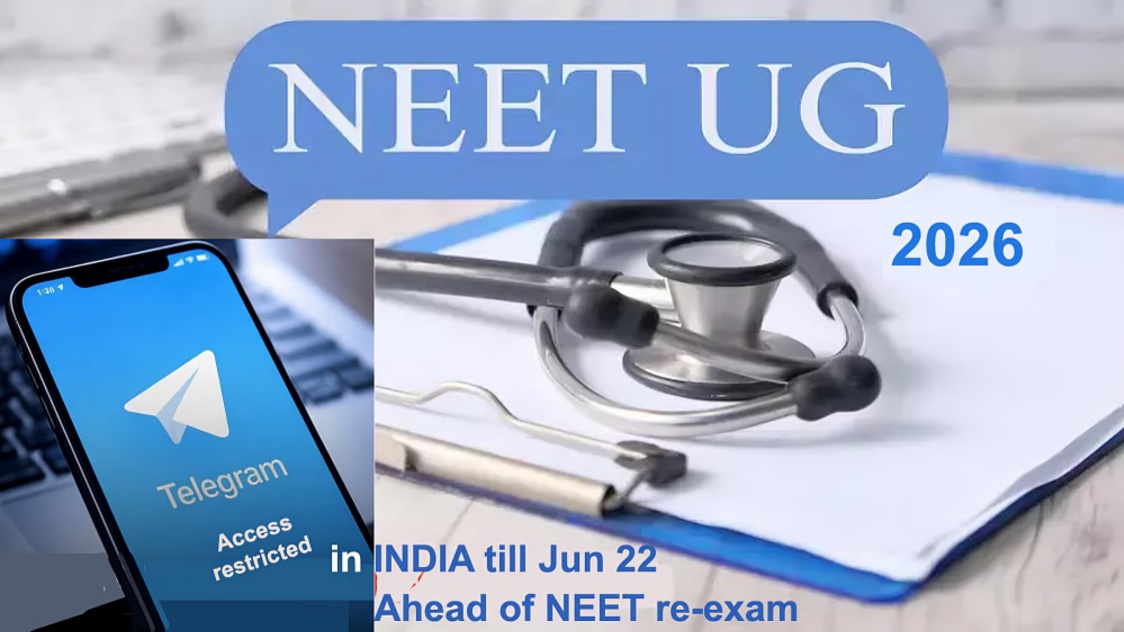
The Internet Freedom Foundation has expressed concerns regarding the Centre's decision to impose restrictions on Telegram amid investigations related to alleged leaks connected to the National Eligibility cum Entrance Test. The move has generated debate among policymakers, technology experts, legal observers and education stakeholders about the balance between examination security and digital rights.
According to reports, the restriction was implemented as authorities sought to prevent the circulation of examination related material during the investigation into alleged irregularities. Officials have emphasized the importance of protecting the integrity of competitive examinations, particularly those involving large numbers of students seeking admission to professional courses.
The National Eligibility cum Entrance Test is one of India's largest entrance examinations and serves as the primary gateway for admission to undergraduate medical and related programs across the country. Given the scale of participation, authorities place significant emphasis on maintaining fairness, transparency and security throughout the examination process.
The Internet Freedom Foundation, a digital rights advocacy organization, has questioned the necessity and proportionality of restricting access to an entire communication platform. The organization has reportedly sought greater clarity regarding the legal provisions invoked and the reasoning behind the decision. It has argued that measures affecting access to digital services should be subject to transparency and accountability standards.
The issue highlights broader challenges facing governments and regulators as they attempt to address the misuse of digital platforms while preserving access to communication tools used by millions of individuals. Messaging applications have become important channels for communication, education, business operations and information sharing.
Authorities investigating examination related misconduct often face the challenge of responding quickly to prevent the spread of confidential materials. Digital platforms can enable rapid distribution of information, making enforcement and monitoring increasingly complex. As a result, governments around the world continue to evaluate various approaches to addressing misuse while protecting legitimate uses of technology.
Technology policy experts note that decisions involving platform restrictions often generate debate because they involve competing public interests. On one hand, authorities seek to prevent unlawful activities and maintain the credibility of important public institutions. On the other hand, civil society groups emphasize the importance of preserving access to digital communication and ensuring that restrictions remain narrowly targeted.
The discussion also reflects growing concerns about examination security in the digital age. Competitive examinations increasingly face risks associated with unauthorized information sharing, cyber activities and technological misuse. Educational authorities have responded by strengthening monitoring systems, enhancing security protocols and adopting new technologies designed to protect examination processes.
At the same time, legal experts have pointed out that transparency in decision making remains important whenever restrictions affect widely used digital services. Clear communication regarding the scope, duration and legal basis of such actions can help improve public understanding and maintain trust in regulatory processes.
Telegram remains one of the world's widely used messaging platforms, serving users across multiple countries. The platform offers communication, content sharing and group interaction features that have made it popular among individuals, organizations and communities.
As discussions continue, policymakers, digital rights advocates and educational authorities are expected to examine the broader implications of the incident. Questions regarding platform accountability, examination security, digital governance and online freedoms are likely to remain important topics in future policy debates.
The situation underscores the complex relationship between technology regulation and public interest objectives. As digital platforms become increasingly central to everyday life, governments and stakeholders continue to face the challenge of addressing misuse while safeguarding legitimate access and fundamental digital rights.