Palantir CTO Shyam Sankar Helps US Army Discover and Develop Hidden Coding Talent
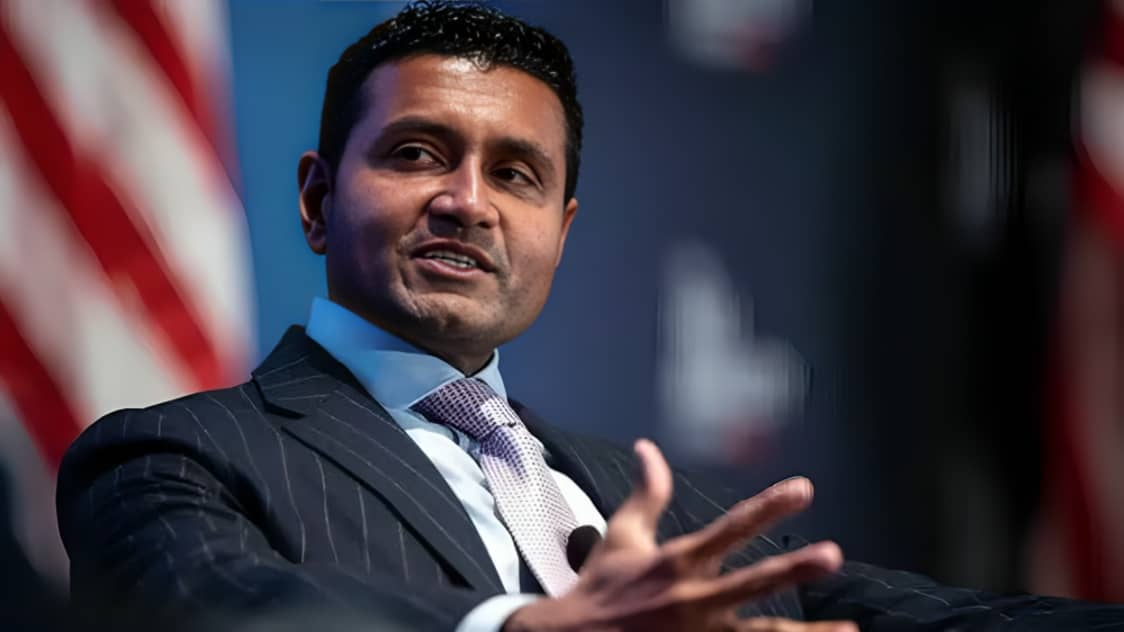
Palantir Technologies Chief Technology Officer Shyam Sankar has taken on an additional role in the United States Army Reserve, where he is helping the military identify soldiers with coding skills and find ways to use their technical abilities more effectively.
In an interview with CBS News on the programme Face the Nation with Margaret Brennan, Sankar explained that his primary responsibility within the Army’s personnel organisation is to identify technically skilled soldiers, protect their abilities and place them in assignments where their expertise can benefit the military.
Sankar serves as a lieutenant colonel in Detachment 201, officially known as the Executive Innovation Corps. The initiative brings experienced technology executives into the Army Reserve to contribute their professional knowledge to military modernisation.
Why the US Army Is Looking for Programmers Within Its Ranks
According to Sankar, the Army already has many soldiers with strong programming abilities. However, the organisation's traditional personnel and promotion systems can make it difficult to identify these individuals and assign them to suitable technical roles.
Sankar described the Army as having an abundance of talent, particularly among service members who know how to write code. He explained that technical ability does not necessarily correspond to military rank or seniority.
For example, a soldier holding the E-4 enlisted rank could be an exceptionally skilled programmer but might not have a clear career pathway that allows the Army to make full use of that expertise.
The challenge, therefore, is not simply recruiting more technology professionals. It is also about discovering the skills that already exist within the military and ensuring those skills are recognised.
Sankar compared the traditional personnel structure to a system developed for an earlier industrial era. In his view, modern technical skills require a more flexible approach because programming ability cannot always be measured by rank or years of service.
Sankar's Role in Army Personnel Management
Sankar works with the Army's G-1 department, which is responsible for personnel and human resources matters. His role involves developing strategies to identify soldiers with technical expertise and connect them with suitable projects.
The process includes determining which soldiers possess advanced coding skills, ensuring their abilities are not overlooked and creating opportunities for them to contribute to military objectives.
This approach could help the Army make better use of its existing workforce instead of relying exclusively on external recruitment for specialised technology roles.
Sankar said the Army needs to understand how to identify exceptional technical talent, protect that talent and assign individuals to projects that fully utilise their abilities.
Such a system could help the military address technology-related challenges while giving technically skilled personnel opportunities to develop their careers within the service.
What Is Detachment 201?
Detachment 201, the Army's Executive Innovation Corps, was established to bring private-sector technology expertise into military service.
Sankar was commissioned as a lieutenant colonel in the Army Reserve in June 2025. The initial group also included Meta Chief Technology Officer Andrew Bosworth, OpenAI executive Kevin Weil and Bob McGrew, who previously held a senior research role at OpenAI.
The programme allows experienced technology executives to contribute their knowledge while maintaining their civilian careers. Its broader purpose is to help the Army benefit from expertise developed in the commercial technology sector.
The initiative reflects the growing importance of software, artificial intelligence, data systems and digital capabilities in modern military operations.
Rather than depending entirely on traditional military career pathways, the programme creates opportunities for specialists from the technology industry to advise and contribute to military innovation.
Why Technical Skills Matter in Modern Military Operations
Modern armed forces increasingly depend on software and digital systems for planning, communication, logistics, intelligence analysis and other operational activities.
Programmers can help develop software, automate processes, analyse information and improve the reliability of digital tools. Identifying skilled personnel within the Army could therefore support its broader efforts to modernise military systems.
However, the value of technical expertise depends on how effectively it is matched with organisational needs. Soldiers with programming skills may require appropriate training, access to suitable projects and clear professional development opportunities to contribute effectively.
Sankar's approach focuses on matching people with the right assignments rather than allowing their technical abilities to remain unused because of conventional personnel structures.
Conflict-of-Interest Questions
The involvement of technology executives in military service has also raised questions about potential conflicts of interest, particularly when their companies have significant government contracts.
During the CBS News interview, Margaret Brennan raised concerns about Palantir's business relationships with the US government and whether such arrangements could create conflicts.
Sankar responded that the Defense Department's legal teams manage these issues and that reservists can work only on assignments where conflicts of interest do not arise.
Such safeguards are important because technology companies working with government agencies may have commercial interests that need to remain separate from official military responsibilities.
Clear oversight and transparent procedures can help ensure that the participation of private-sector executives supports public and military objectives without providing an improper commercial advantage.
A Broader Effort to Modernise the Army
Sankar's appointment highlights an important workforce challenge facing modern organisations: how to recognise specialised skills that may not be visible through traditional qualifications, job titles or promotion systems.
For the US Army, identifying programmers within its existing ranks could help improve the use of available personnel and strengthen its technical capabilities.
The long-term impact will depend on how successfully the Army identifies these individuals, develops suitable career pathways and places them in assignments where their skills can make a meaningful contribution.
Sankar's work represents one part of a wider effort to connect technology expertise with military needs. It also demonstrates how the relationship between the technology industry and national defence is evolving as software and digital systems become increasingly important.
His central message is that technical talent may already exist throughout the military. The challenge is to find it, support it and give skilled soldiers opportunities to use their abilities effectively.