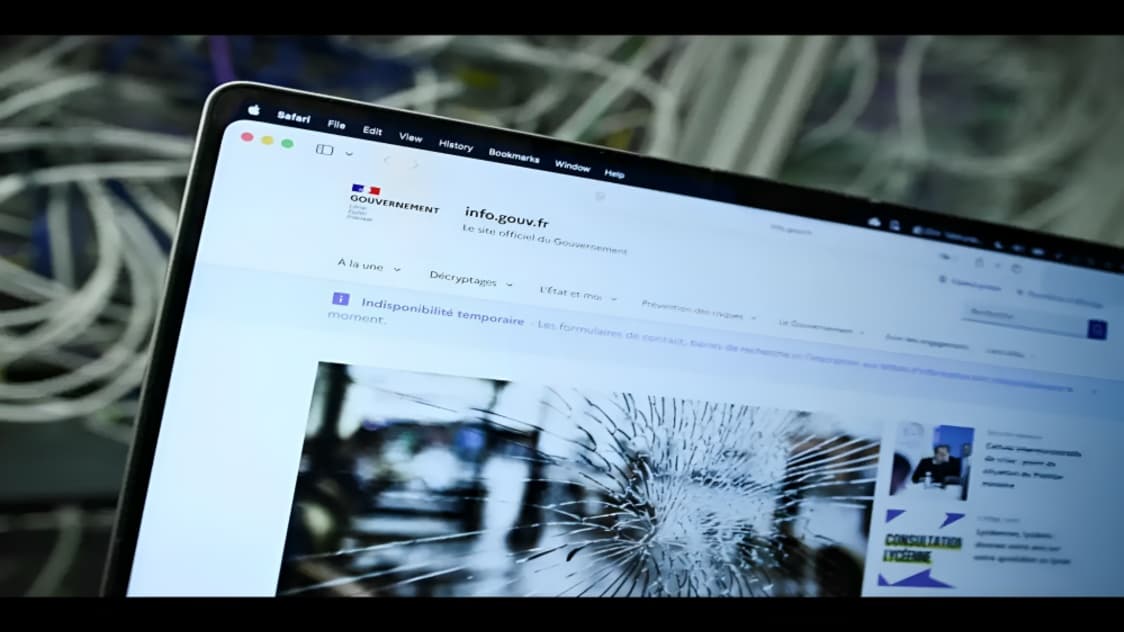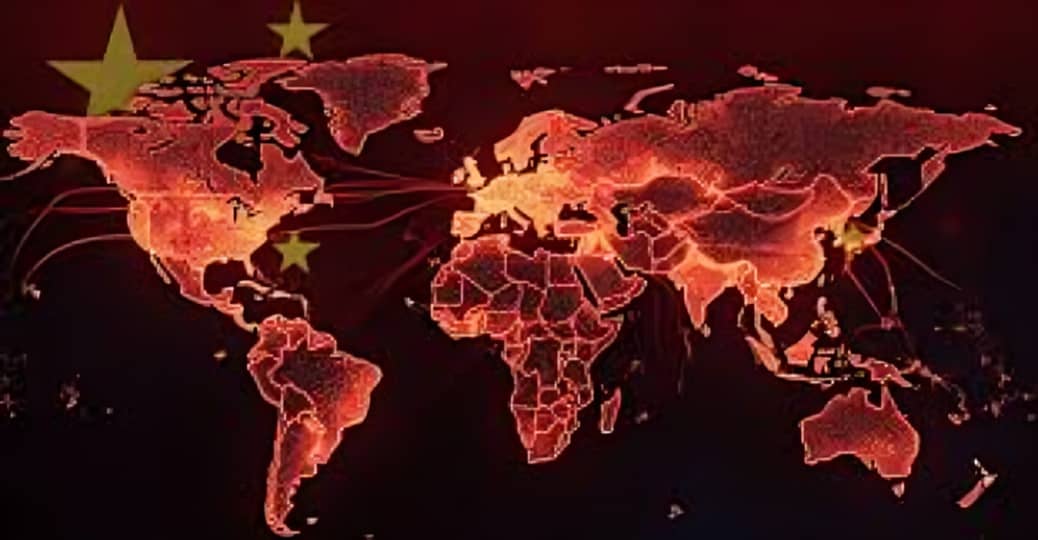
In 2025, cybersecurity experts identified a coordinated cyber campaign targeting a government organization in Southeast Asia, involving three distinct threat activity clusters linked to China The operations were described as highly sophisticated and well resourced, suggesting involvement of state aligned actors
The campaigns deployed multiple malware families to compromise systems collect sensitive data and maintain persistent access Researchers tracking the incident noted the use of HIUPAN also known as USBFect MISTCLOAK or U2DiskWatch PUBLOAD and EggStremeFuel sometimes referred to as RawCookie These malware variants were complemented by EggStremeLoader also called Gorem RAT MASOL RAT PoshRAT TrackBak Stealer RawCookie Hypnosis Loader and FluffyGh0st
The threat actors demonstrated advanced tactics techniques and procedures including spear phishing social engineering and malware delivery via removable media and network exploits Analysts noted that HIUPAN in particular has been used in previous campaigns to target government and critical infrastructure networks due to its ability to evade detection and maintain long term access
PUBLOAD and EggStremeFuel were observed performing data exfiltration and credential theft operations allowing the attackers to gain sensitive information and leverage it for further access within the target environment EggStremeLoader and MASOL RAT provided remote administration capabilities enabling attackers to control infected systems silently and execute malicious commands
The attack underscores the ongoing risks posed by state aligned cyber operations in Southeast Asia with governments being primary targets for espionage intelligence collection and strategic influence Such operations often involve multiple clusters working in tandem using a wide range of malware and techniques to remain undetected over extended periods
Security agencies and independent researchers have emphasized the importance of robust cyber defense strategies including endpoint protection network monitoring employee awareness and rapid incident response The use of multiple malware families in these campaigns highlights the complexity and scale of threats facing government organizations
Organizations are urged to conduct regular security assessments implement multi layer defense strategies and collaborate with international cybersecurity communities to share threat intelligence Threats of this nature emphasize the need for proactive detection and mitigation efforts to reduce exposure and prevent significant data breaches
The Southeast Asian cyber campaign of 2025 serves as a reminder that advanced persistent threats are increasingly sophisticated and capable of targeting high value governmental and critical infrastructure assets With rising geopolitical tensions in the region such attacks are expected to remain a prominent concern for cybersecurity stakeholders