
A notable development is emerging in the intersection of artificial intelligence and the banking sector, as major financial institutions in the United States are reportedly exploring the use of advanced AI systems developed by Anthropic for security risk assessment. The initiative reflects growing interest in leveraging artificial intelligence to strengthen cybersecurity frameworks within critical financial infrastructure.
According to industry reports, several US banks are testing Anthropic’s advanced model, referred to in some discussions as Mythos, to evaluate its ability to identify vulnerabilities in complex digital systems. While the model is not specifically designed as a cybersecurity tool, early assessments suggest that it may assist in detecting potential weaknesses in software architecture and operational processes.
The move comes at a time when financial institutions are facing increasing cyber threats, including phishing attacks, data breaches, and system exploitation attempts. As banks continue to expand their digital services, ensuring the security of customer data and financial transactions has become a top priority.
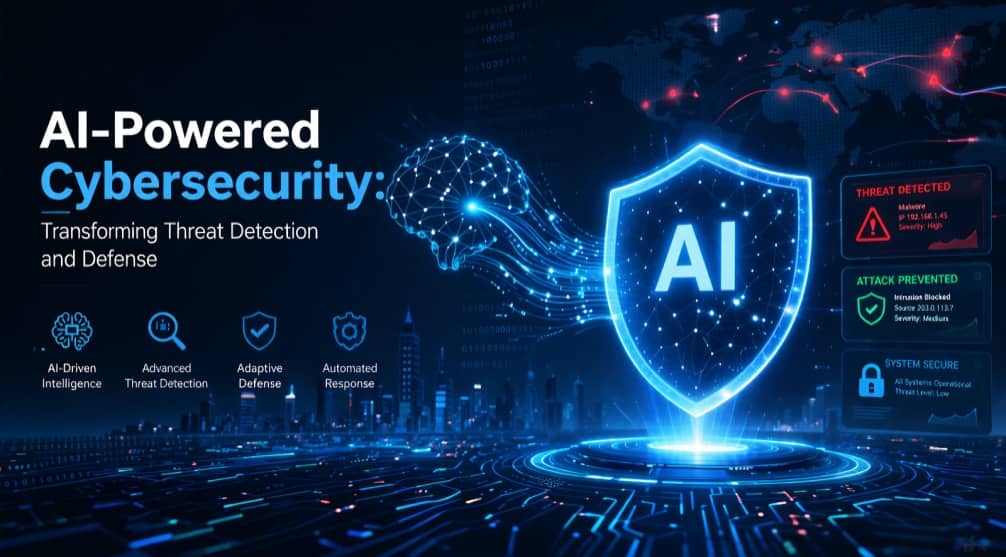
Artificial intelligence is increasingly being used in the financial sector for fraud detection, risk management, and customer service automation. The potential application of AI models in cybersecurity adds another layer to these efforts. By analysing large volumes of data and identifying unusual patterns, AI systems can help institutions respond more quickly to potential threats.
Experts believe that using AI models for vulnerability detection could improve the efficiency of security audits. Traditional methods of identifying system weaknesses often require extensive manual testing and time consuming analysis. AI driven tools may help accelerate this process and provide more comprehensive insights.
However, analysts also caution that the use of AI in sensitive financial environments must be carefully managed. While these systems can enhance detection capabilities, they also need to be tested rigorously to ensure accuracy and reliability. Any false positives or overlooked vulnerabilities could pose risks to financial stability.
The collaboration between technology companies and financial institutions highlights the growing convergence of the tech and banking sectors. Companies like Anthropic are developing large scale AI systems that are increasingly being adapted for enterprise use cases beyond their original design.
Financial regulators in the United States are also closely monitoring the adoption of artificial intelligence in banking. Ensuring that these technologies comply with security standards and regulatory requirements is considered essential for maintaining trust in the financial system.
The testing of AI models for cybersecurity purposes is still in its early stages, and further evaluation will be required before widespread adoption. Banks are expected to conduct pilot programs and controlled assessments before integrating such tools into their core systems.
Industry observers suggest that if successful, AI based vulnerability detection could become a standard part of cybersecurity strategies in the financial sector. This could lead to faster identification of threats and more proactive defence mechanisms.
Overall, the exploration of Anthropic’s AI model by US banks reflects a broader trend of integrating advanced technology into financial security systems. While challenges remain, the potential benefits of improved risk detection and system protection are driving continued interest in this area