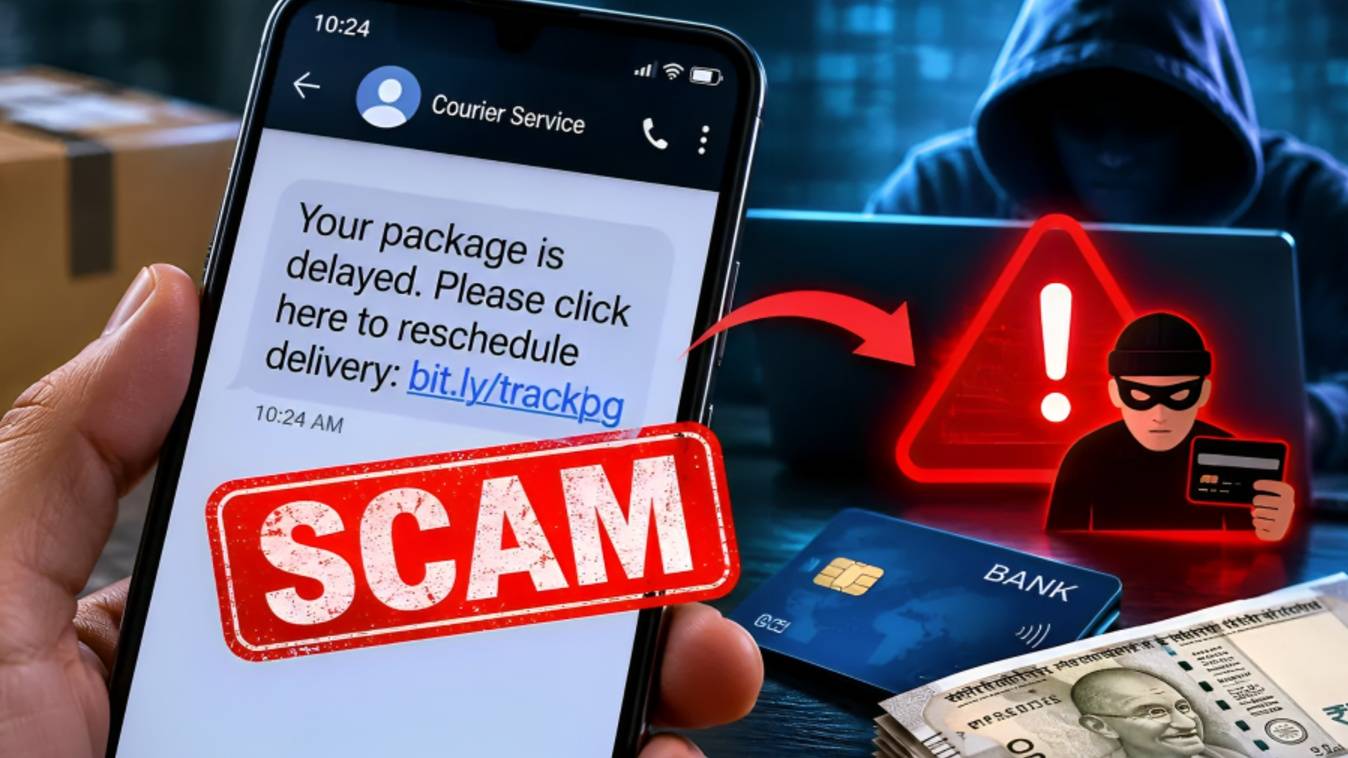
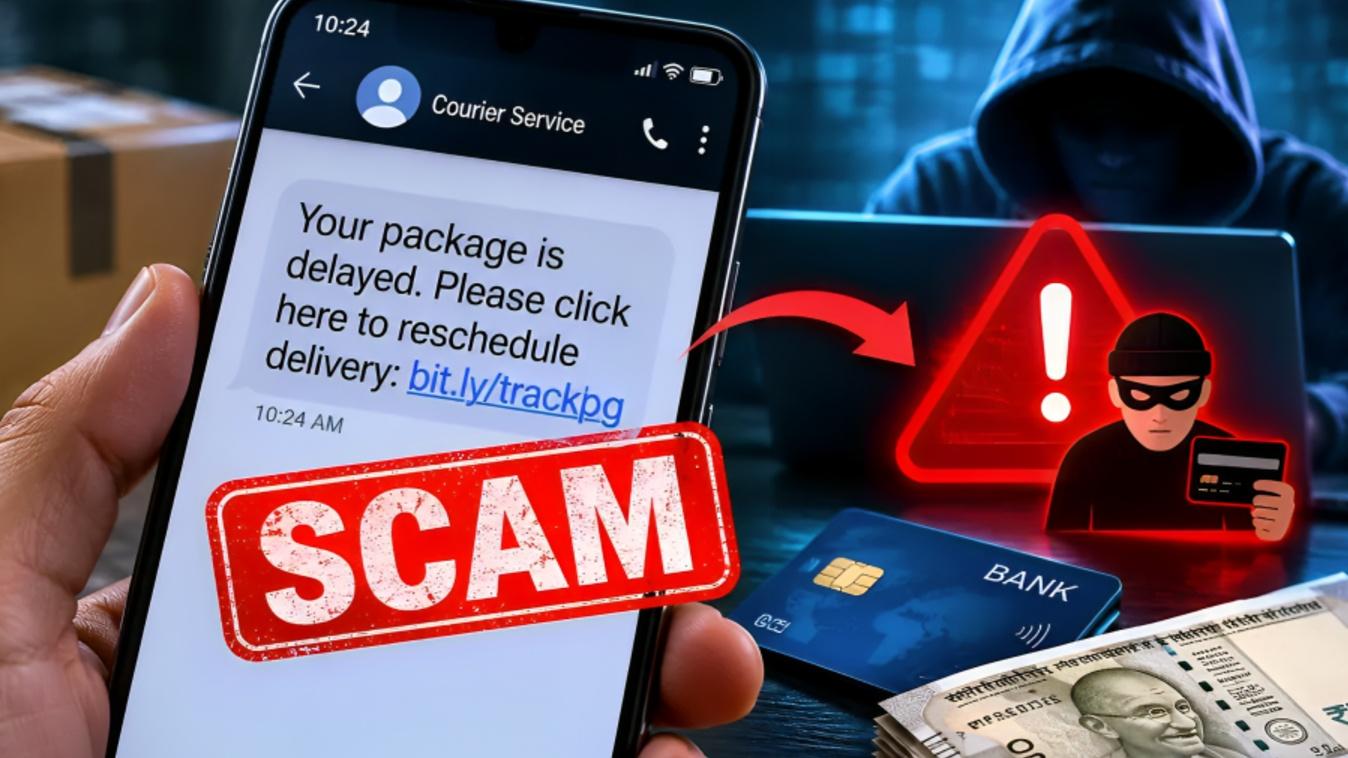
Cybercriminals are increasingly using fake parcel delivery messages to target unsuspecting individuals and gain access to their personal and financial information. Messages claiming that a package has been delayed, an address needs correction or an additional delivery fee must be paid are being used as part of fraudulent online activities. These scams can put individuals at risk of losing money from their bank accounts.
This type of cyber fraud is commonly known as smishing, a form of phishing carried out through SMS messages. In this method, fraudsters impersonate trusted organisations, including courier companies, delivery services, banks and other institutions, to make their messages appear genuine.
The messages often create a sense of urgency by informing recipients that their parcels cannot be delivered because of an incorrect address or an outstanding payment. They may ask users to click on a link to reschedule delivery, update their contact details or pay a small additional charge.
However, the links included in these messages may lead to fraudulent websites designed to collect sensitive information. Some links may also encourage users to download malicious applications that can compromise their mobile devices.
Once a person clicks on a fraudulent link, the website may request personal details such as their name, phone number, address and other information. In some cases, victims may be asked to enter banking credentials, debit or credit card details, passwords or one-time passwords.
Cybercriminals can misuse this information to attempt unauthorised access to financial accounts. If victims share their banking credentials or verification codes, criminals may be able to carry out fraudulent transactions and transfer money without the account holder's permission.
Another concern is the use of fraudulent mobile applications. Some scam messages direct users to websites that offer applications supposedly required to track packages or complete delivery procedures. These applications may contain malicious software that can compromise device security and potentially expose sensitive information.
Fraudsters also use familiar company names, logos and official-looking message formats to make their communications appear authentic. They may create fake delivery tracking pages that resemble the websites of legitimate courier companies. This makes it difficult for some users to identify fraudulent messages immediately.
There are several warning signs that can help people recognise these scams. Unexpected messages requesting immediate action should always be treated with caution. Links containing unfamiliar website addresses, requests for additional delivery payments and demands for banking information are potential indicators of fraud.
People should avoid clicking on links received through unexpected SMS messages. Instead, they should independently visit the official website or mobile application of the courier company to check the delivery status. If a delivery notification appears suspicious, contacting the company through its verified customer service channels can help establish whether the message is genuine.
Users should also avoid downloading applications through links received in unsolicited messages. Mobile applications should be installed only through trusted official app stores. Checking the application developer and reviewing permissions before installation can provide additional protection.
Banking information must be handled carefully. Individuals should never share their passwords, PINs, card security codes or one-time passwords with unknown individuals or websites. Legitimate delivery companies do not require customers to disclose banking passwords or OTPs through SMS links.
If someone has already clicked on a suspicious link or installed an unfamiliar application, immediate action is important. They should stop interacting with the suspicious website or application, contact their bank if financial information has been exposed and check their accounts for unauthorised transactions.
In India, people who experience financial cyber fraud should immediately contact the national cybercrime helpline at 1930. They can also report incidents through the official National Cyber Crime Reporting Portal.
Reporting suspected financial fraud quickly can help authorities and financial institutions take necessary action. Users should preserve relevant SMS messages, transaction details and other available evidence when reporting an incident.
As online shopping and home deliveries become increasingly common, consumers must remain alert to suspicious delivery notifications. Verifying messages through official channels and avoiding unknown links can help protect personal information and prevent financial losses.