Deepinder Goyal, the founder of Eternal and cofounder of Zomato, has provided a fresh update on Temple, the wearable technology project that has attracted considerable attention since he was first seen wearing the device.
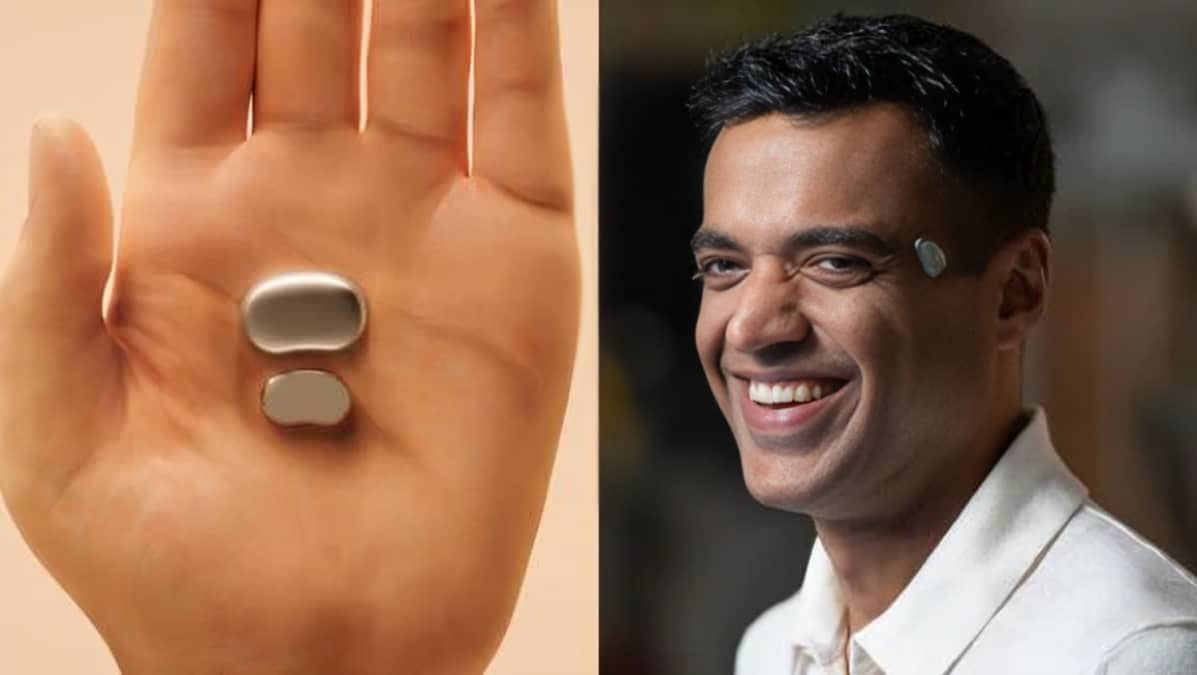
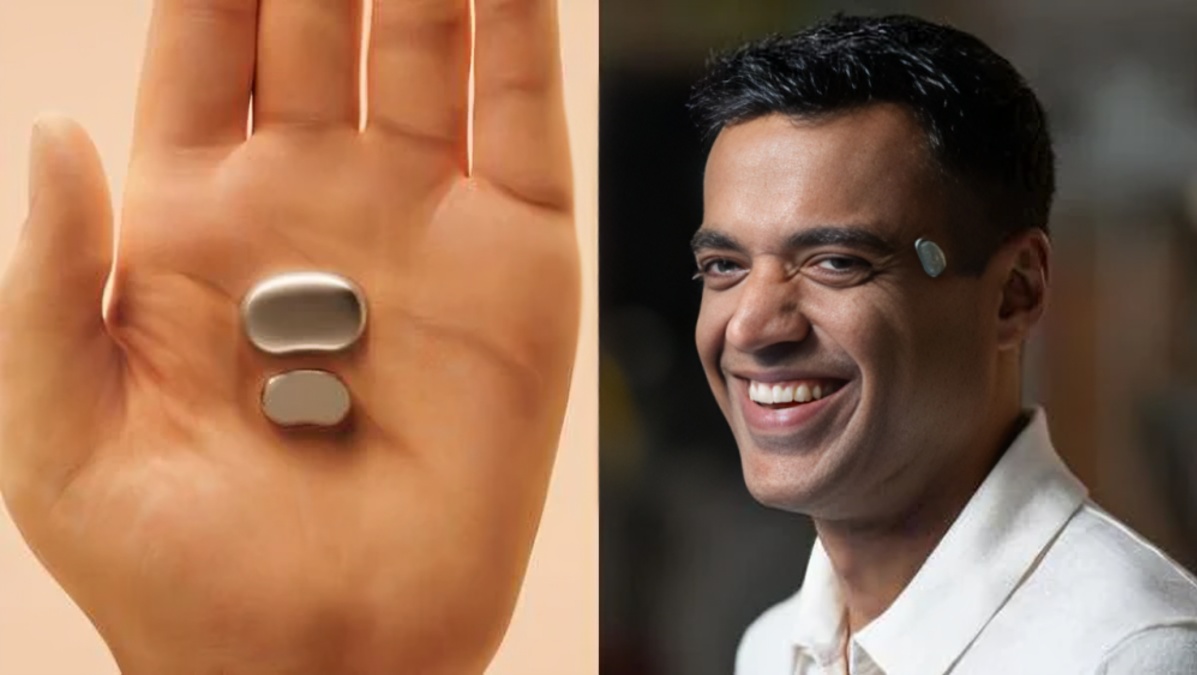
The latest version of Temple has undergone a major design change. Goyal said the new device is now less than half the size of the version previously shown to the public. He also described it as the smallest wearable in the market by volume and claimed that it is the most powerful version developed so far.
What is the Temple wearable
Temple is a compact wearable designed to be positioned around the temple area of the forehead. Unlike conventional smartwatches and fitness trackers that primarily collect information such as heart rate, steps and sleep, Temple has been developed with a focus on signals associated with the brain and human physiology.
The device has been described as a brain monitoring wearable capable of tracking cerebral blood flow and other neurological signals. Its potential applications include monitoring physical and cognitive performance, particularly among athletes and people interested in performance optimisation.
The company has previously positioned Temple as a technology aimed at providing physiological information that may not be easily captured through conventional wrist based wearables.
New Temple design
The most recent update focuses heavily on the size of the device.
According to Goyal, the latest Temple is less than half the size of the earlier version shown publicly. The reduction in size could make the device more convenient to wear during training and other daily activities.
Goyal has claimed that the device is now the smallest wearable by volume while also describing it as the most powerful version of Temple so far. However, detailed technical specifications supporting these claims have not yet been publicly disclosed.
How Temple is expected to work
Temple is designed to sit near the side of the forehead and collect physiological signals associated with the brain.
Earlier information about the device indicated that it is intended to monitor cerebral blood flow in real time. The technology is therefore different from conventional fitness bands that primarily collect signals from the wrist.
The company has suggested that the data could provide insights into physical and cognitive performance. However, Temple is still a developing technology, and users should not interpret its measurements as a substitute for professional medical evaluation.
The precise sensors, processing technology, battery capacity, software capabilities and supported platforms have not yet been fully disclosed.
Pre orders expected soon
Temple is now moving closer to commercial availability.
Goyal has announced that pre orders for a limited launch edition will open soon. The company is expected to provide additional information through its official communication channels and mailing list.
The limited launch approach suggests that the initial availability could be restricted compared with a full scale commercial release.
The company has indicated that shipments of the limited launch edition are expected before the end of 2026.
Expected price
The final retail price of Temple has not yet been officially confirmed.
Earlier reports have suggested that the device could be priced in the premium segment. Reports from July indicated an expected price of approximately Rs 75,000 to Rs 80,000. Another earlier report had estimated a price of around Rs 72,000.
These figures should be treated as estimates rather than confirmed pricing because the company has not announced the final price for the commercial launch.
Temple and sports performance
Temple has also attracted attention because of its potential use in sports and performance monitoring.
Badminton player PV Sindhu was recently seen wearing the device, which generated further interest in the technology. The device's focus on brain related physiological signals could make it particularly interesting for athletes looking to understand aspects of performance, recovery and cognitive workload.
However, the extent to which Temple can improve athletic performance will depend on the accuracy, usefulness and interpretation of the data it provides.
How it differs from smartwatches
Traditional smartwatches and fitness trackers are generally designed around wrist based measurements. They can track metrics such as heart rate, physical activity, sleep and other health related information.
Temple is attempting to approach wearable technology from a different position by placing the sensor close to the head and focusing on brain related physiological signals.
This approach could potentially offer information that conventional wrist based devices cannot easily collect. At the same time, the technology is more specialised and its long term usefulness will need to be demonstrated through broader testing and real world use.
Technology still developing
Although interest in Temple has increased rapidly, several important details remain unknown.
The company has not yet released a complete list of technical specifications, final pricing, battery performance, software features or the full range of measurements that will be available to consumers.
Earlier reports also noted that Temple was still under development and that some of the claims surrounding the device had not yet undergone complete official validation.
This means potential buyers should wait for the company's official product information before making decisions based on early reports.
Commercial launch expected in 2026
The latest announcement indicates that Temple is moving from an experimental project towards a limited commercial launch.
Pre orders for the limited edition are expected to open soon, while shipments are planned before the end of 2026.
The smaller design represents an important development for the project because wearable technology generally needs to balance sensor capabilities with comfort, size and ease of use.
If Temple successfully delivers the performance promised by its developers, it could represent a new category of wearable technology focused on brain and cognitive performance rather than conventional fitness tracking.
What users should know
People interested in Temple should distinguish between confirmed information and expectations.
Confirmed information includes the new smaller design, the upcoming limited edition pre order programme and the planned shipping timeline before the end of 2026.
The final price, complete technical specifications and detailed commercial features remain subject to official confirmation.
Earlier estimates of Rs 75,000 to Rs 80,000 provide an indication of the possible price range, but they should not be treated as the final retail price.
Conclusion
Deepinder Goyal's Temple wearable is moving closer to its commercial launch after receiving a major design update.
The latest version is reportedly less than half the size of the earlier model, while Goyal has described it as the smallest wearable by volume and the most powerful Temple version so far. The device is designed to sit near the temple and monitor physiological signals associated with the brain and cognitive performance.
Limited edition pre orders are expected to begin soon, with shipments planned before the end of 2026.
The company has not yet confirmed the final price. Earlier reports have suggested a price between Rs 75,000 and Rs 80,000, but buyers should wait for the official announcement before treating that figure as final.
Temple's commercial launch will be closely watched as it represents Goyal's move into advanced wearable and brain monitoring technology beyond his earlier food technology ventures.