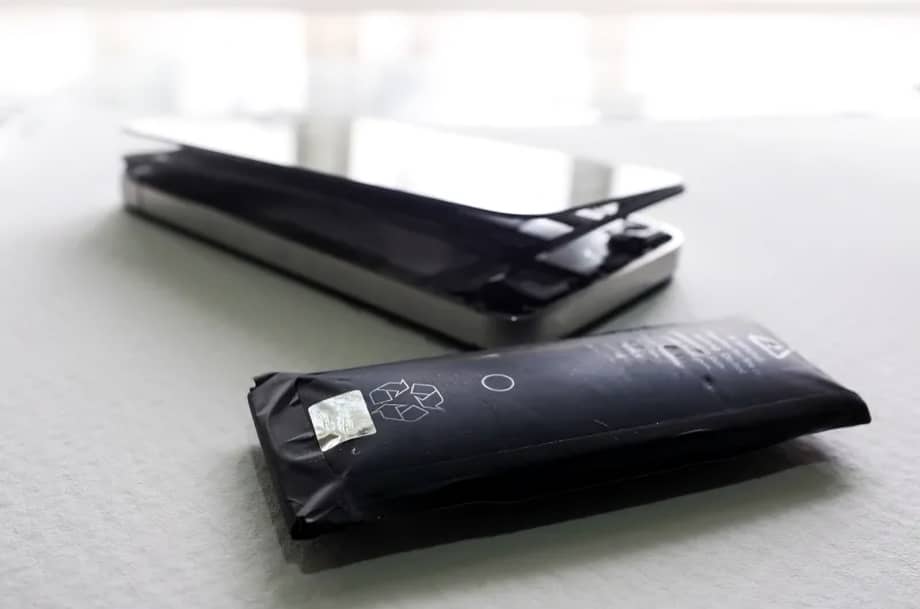
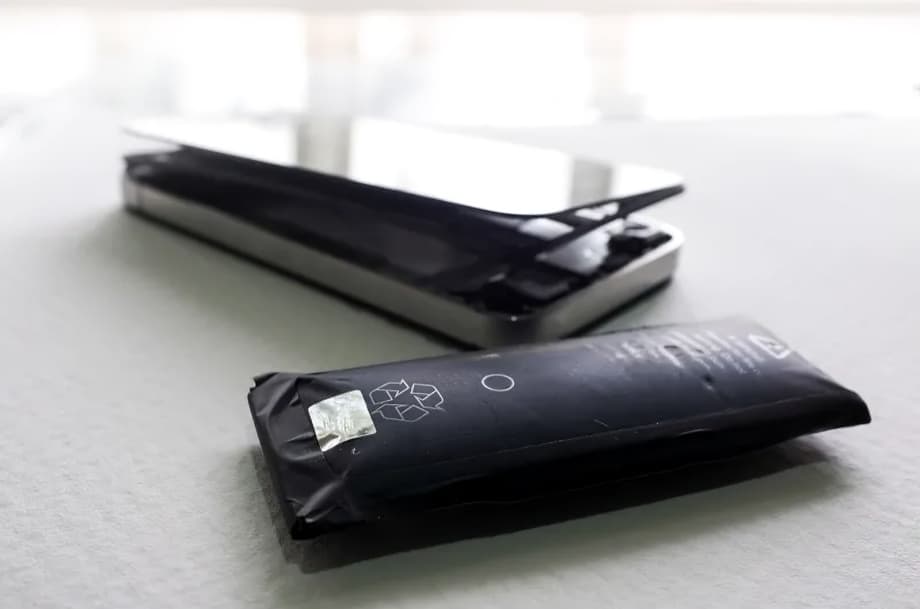
The European Union has introduced new regulatory measures aimed at improving the repairability and sustainability of electronic devices, including smartphones. The new rules are expected to push manufacturers toward designing devices with more easily replaceable batteries, addressing long standing consumer concerns about battery degradation and device lifespan.
Under the updated framework, smartphone manufacturers selling devices in the European market will be required to ensure better access to internal components such as batteries. The objective is to make repairs simpler, reduce electronic waste, and extend the usable life of devices.
The decision is part of a broader sustainability initiative by the European Union to reduce environmental impact caused by rapidly discarded electronic products. Smartphones often become obsolete not because of software limitations, but due to battery wear and the difficulty of replacement.
By encouraging or mandating removable or easily replaceable batteries, regulators aim to reduce dependency on full device replacement. This could lead to lower electronic waste generation and improved recycling efficiency across the region.
Manufacturers such as Apple and Samsung are expected to adapt their future device designs to comply with the new requirements if they wish to continue selling smartphones in the European market.
The changes may influence global smartphone design trends, as companies often standardize hardware models across different regions. If implemented widely, consumers may see a shift back toward more repair friendly smartphone designs, similar to earlier generations of mobile devices.
Over the past decade, most smartphone manufacturers have moved toward sealed battery designs to improve slimness, water resistance, and internal component integration. However, this design has made battery replacement more difficult and often requires professional servicing.
Consumer advocacy groups have long argued that non removable batteries contribute to higher repair costs and increased electronic waste. The new regulations aim to address these concerns by improving transparency, repair access, and product longevity.
Industry experts believe that while the transition may present engineering challenges, it could also encourage innovation in modular design and battery technology. Manufacturers may need to balance durability, design aesthetics, and repairability in future devices.
The regulation is expected to be implemented gradually, giving manufacturers time to adjust their production processes. It may also lead to the development of standardized repair systems and improved availability of replacement parts.
Although the rules are currently specific to the European Union, their impact could extend globally due to the scale of smartphone production and international supply chains. Many companies design products for multiple markets using unified hardware strategies.
If widely adopted, the move could mark a significant shift in smartphone design philosophy, prioritizing sustainability and repairability alongside performance and innovation.
Further updates are expected as manufacturers respond to the new requirements and begin adapting their future product roadmaps.