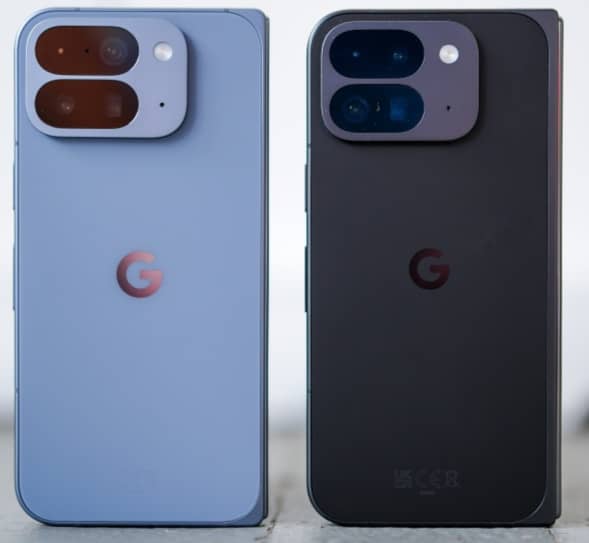
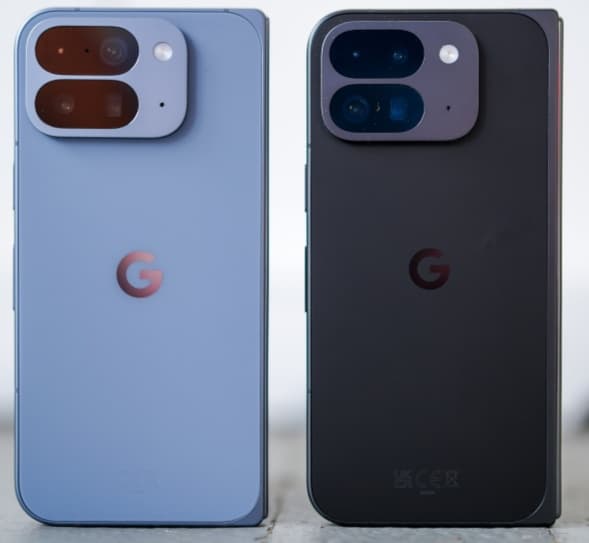
The Google Pixel 10 Pro Fold marks another major attempt by Google to strengthen its position in the growing foldable smartphone segment. Building on lessons learned from previous generations, the new model introduces a sturdier hinge mechanism, improved displays, and deeper integration of AI features that Google has been refining over the past year. While the device clearly shows progress, its overall performance and value continue to spark debate among users and reviewers.
One of the major upgrades is the construction quality. Google has reinforced the hinge using new materials and a revised internal structure that offers a smoother folding action with less resistance. The device feels more secure when opened or closed, addressing earlier concerns about long-term durability. Although the fold still shows a noticeable crease, it is slightly reduced compared to earlier versions, making it less distracting during everyday use.
The Pixel 10 Pro Fold features a brighter and more colour-accurate outer display, making it easier to use in sunlight. The inner display offers improved refresh rates and better touch responsiveness, which enhances the overall experience for reading, multitasking, and consuming multimedia content. App continuity has also been refined, allowing apps to transition between folded and unfolded states with fewer glitches.
Software remains one of Google’s strongest selling points. The Pixel 10 Pro Fold benefits from AI-driven enhancements, including smarter multitasking suggestions, automatic window resizing, and advanced voice recognition. Google has also improved translation, transcription, and writing tools, making the foldable feature set more practical for productivity-focused users. The device ships with the latest Android version, ensuring long-term software support and regular security patches.
The camera system aligns closely with the flagship Pixel models, delivering excellent dynamic range, low-light performance, and natural colour tones. The foldable design adds extra versatility, enabling hands-free photography and unique shooting angles. However, the inner camera still lags behind the primary sensors, and certain apps do not fully utilise the foldable format for camera previews.
Performance is strong thanks to the latest Tensor chipset, which handles everyday tasks smoothly. Nevertheless, the chip continues to show heat management issues during intensive gaming or prolonged camera use. Google’s AI features are well supported, but the chipset remains less powerful than some competing processors on the market.
Battery life is an area where the Pixel 10 Pro Fold struggles to outperform rivals. Although the larger internal battery offers decent endurance, heavy multitasking or extended use of the inner display noticeably reduces usage time. Charging speeds also lag behind industry standards, which could be a drawback for users accustomed to fast-charging ecosystems.
Despite these shortcomings, the Pixel 10 Pro Fold represents meaningful progress for Google in the foldable category. Its refined build quality, strong camera performance, and sophisticated AI tools give it a distinct identity. Still, with strong competition from Samsung, OnePlus, and other manufacturers, the Pixel 10 Pro Fold must work harder to justify its premium pricing.
For users who value Google’s software ecosystem and want a reliable foldable experience, the Pixel 10 Pro Fold stands out as a stronger but still imperfect option.