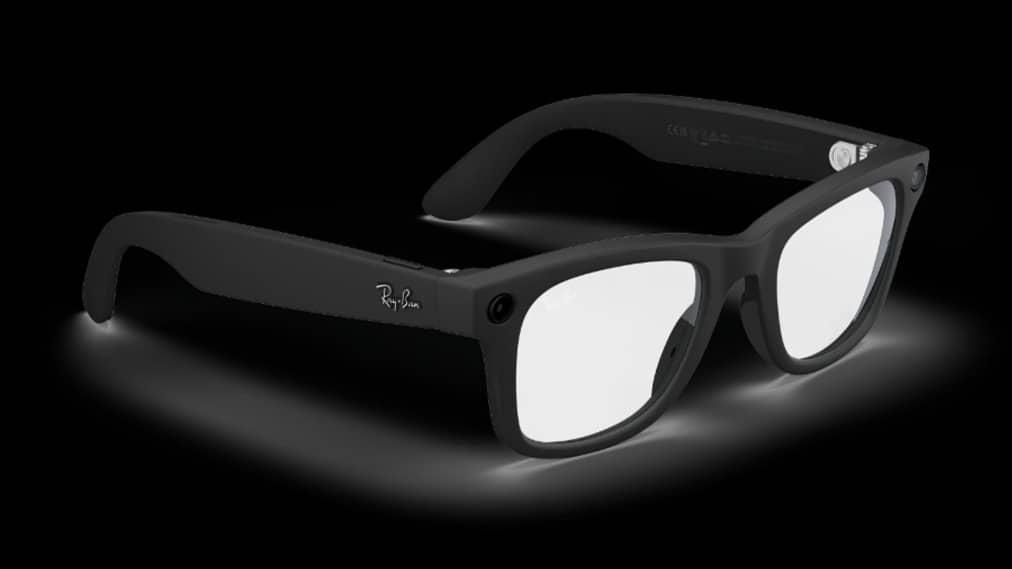
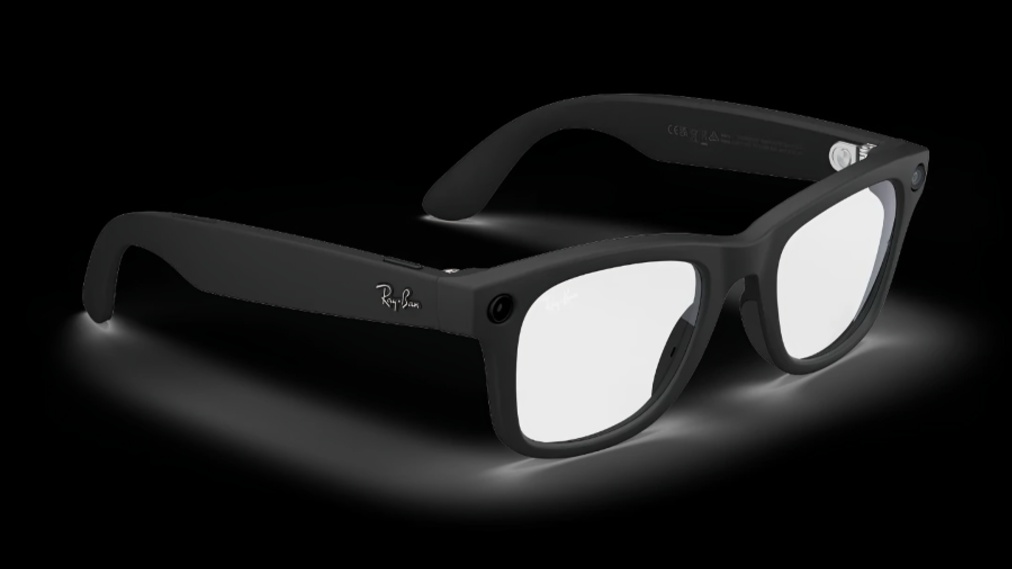
Meta is exploring a new approach to antenna placement that could help improve the design of future smart glasses and other head worn electronic devices.
A recently published patent describes an antenna architecture in which wireless antennas are positioned along the lower rim of eyewear rather than being concentrated around the temples. The proposed design is intended to address one of the biggest challenges in developing smart glasses, where a large number of electronic components have to fit inside a relatively small and lightweight frame.
Modern smart glasses may need to accommodate cameras, processors, wireless radios, sensors, speakers, batteries and other components. Finding enough space for these parts while keeping the glasses comfortable can be difficult. Meta's proposed antenna arrangement could provide an alternative way of organising the internal hardware.
According to the patent, antennas could be positioned near the bottom portion of the frame, underneath or near the lenses. The design can keep the antennas away from other electronic and mechanical components that could potentially interfere with wireless performance.
The patent also describes placing antennas away from the wearer's temples, ears and cheeks. Moving the antennas toward the front and lower section of the frame could potentially reduce the effect of the user's head on wireless signals. The patent suggests that this arrangement could help achieve improved signal quality at a similar power level or potentially support stronger transmission and reception.
Another part of the proposed architecture involves two antennas, with one positioned near each lens. These antennas could be connected to wireless radios located higher in the frame, including around the nose bridge. Similar electrical connection lengths between the antennas and radios could help maintain more consistent operating characteristics.
The patent discusses the possibility of using the arrangement with multiple antenna systems. Such configurations can be useful for technologies that use multiple antennas to improve wireless communication performance.
The antennas could also be integrated into the frame or protected using an overmould made from a suitable material. This could allow the components to remain concealed while protecting them from direct contact with the wearer.
Interestingly, the patent does not limit the proposed technology to consumer smart glasses. It includes a variety of head worn devices, including augmented reality glasses, virtual reality headsets, aviation goggles, safety goggles, sports eyewear and night vision goggles.
The inclusion of night vision and aviation goggles has attracted attention because it indicates that the antenna architecture could potentially be useful across several categories of wearable technology. However, the patent should not be interpreted as confirmation that Meta is developing a military product.
A patent describes a technological concept or potential implementation and does not necessarily mean that the company will turn the technology into a commercial product. Companies frequently file patents to protect research and development ideas that may never appear in consumer devices.
The technology is particularly relevant to Meta's broader interest in wearable computing. The company has been developing smart glasses that combine cameras, microphones, wireless connectivity and other technology within conventional looking eyewear.
As wearable devices become more capable, antenna placement becomes increasingly important. Designers must balance wireless performance, battery life, component placement, device weight, comfort and safety.
Traditional placement around the temples can compete for space with batteries, processors and other components. Moving antennas to the lower frame could provide designers with additional flexibility when arranging the internal hardware.
The patent also indicates that antenna positioning can be adjusted depending on the type of wearable device and the components contained within it. Different configurations could potentially be used depending on the required wireless technology and physical structure of the eyewear.
The technology is not entirely new in terms of patent activity. Meta has previously filed patent applications involving antennas and wireless communication systems for wearable optical devices. A separate Meta patent published in March 2026 also describes antenna systems for augmented and virtual reality wearables.
The latest design therefore appears to be part of a broader effort to solve the engineering challenges associated with increasingly sophisticated wearable devices.
For consumers, a successful implementation could eventually contribute to thinner or more comfortable smart glasses with more room for cameras, sensors and other features. Better antenna positioning could also potentially improve connectivity and wireless efficiency.
However, these benefits remain possibilities described by the patent rather than confirmed improvements in a commercial Meta product.
Meta has not announced that this specific antenna architecture will be incorporated into an upcoming smart glasses model. There is also no confirmed launch date associated with the patent.
The development nevertheless highlights how companies are working behind the scenes to solve the technical limitations of wearable electronics. As smart glasses evolve from simple connected eyewear into more advanced computing devices, efficient use of the frame's limited internal space will become increasingly important.
Meta's proposed lower rim antenna design offers one possible solution by separating wireless components from other hardware and potentially moving them farther from the user's head.
For now, the technology remains a patented concept. Whether Meta eventually incorporates it into future smart glasses, virtual reality devices or other wearable products will depend on further development, testing and commercial decisions.