
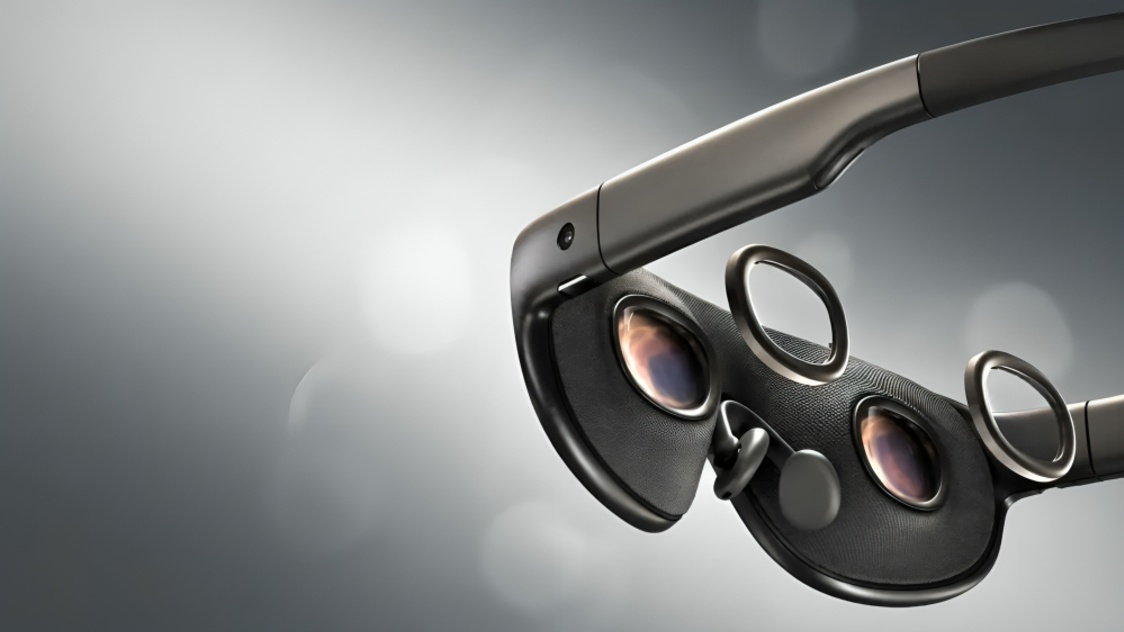
Meta's rumored next generation mixed reality headset, known internally as Project Phoenix, has reportedly appeared in new leaked visuals found within a Horizon OS firmware package. The leak offers what could be the clearest look yet at a headset that appears significantly slimmer than Meta's existing Quest products.
The leaked material was reportedly discovered inside Meta's HorizonOS Prescription Lens package. According to UploadVR and other technology publications, the updated firmware contains visuals showing the headset and explaining how prescription lens inserts could be attached to the device. Meta has not officially confirmed the product or the leaked design.
The most noticeable feature in the leaked visuals is the headset's glasses like appearance. Instead of the larger facial interface commonly associated with conventional virtual reality headsets, Project Phoenix appears to use a much slimmer frame with separate nose pads. Sensors can also reportedly be seen around the sides and underneath the temple areas.
This design could represent a significant change in how Meta approaches high end virtual and mixed reality hardware. Traditional VR headsets generally require considerable space for displays, cameras, processors, batteries and other components. The reported Phoenix design appears to move some of that hardware outside the headset, potentially helping Meta achieve a thinner form factor.
One of the leaked visuals reportedly shows a cable extending from the rear section of one temple. Reports suggest that the cable could connect the headset to a separate external computing unit, sometimes described as a compute puck. Moving some processing hardware outside the headset could allow Meta to reduce the size and weight of the device while retaining advanced mixed reality capabilities.
The firmware leak also provides information about prescription lens support. The visuals reportedly show removable prescription lens inserts being positioned in front of the headset's optical system. This could allow users who require prescription correction to use the headset without wearing a separate pair of glasses underneath it.
Another part of the leaked material appears to show a QR code being presented to the headset. Reports suggest that this could be part of the process used to register or pair prescription lens inserts with the device. The exact purpose and final implementation of the feature have not been officially confirmed by Meta.
The reported design also appears to include multiple sensors around the headset. Earlier reports have suggested that Phoenix could support eye and hand tracking, potentially allowing users to interact with virtual environments without relying heavily on traditional physical controllers. However, these capabilities and the final hardware configuration remain unconfirmed.
Despite its glasses like appearance, the reported Phoenix headset should not necessarily be confused with conventional transparent smart glasses. Reports indicate that the device could use cameras to capture the user's surroundings and then display a digital representation of that environment through the headset's screens. This would make it a mixed reality device rather than a conventional pair of transparent glasses.
Project Phoenix has reportedly appeared under several internal names, including Stanley and Loma, in previous leaks. Reports have described the product as a premium and lightweight mixed reality headset that could occupy a position closer to Meta's high end products than its mainstream Quest models.
However, many important details remain unknown. The leaked visuals do not establish the final commercial name, retail price, complete technical specifications or confirmed launch date. Meta has also not officially confirmed that the leaked hardware will be released in the form shown in the firmware.
The timing of the leak has attracted additional attention because Meta Connect 2026 is scheduled to take place later this month. Reports indicate that the event is scheduled to begin on September 23. The company has not confirmed that Project Phoenix will be unveiled at the event, so expectations about an official announcement should be treated cautiously.
If the reported design eventually reaches consumers, Phoenix could represent a different direction for mixed reality hardware. A slimmer headset with a glasses like profile could make extended use more practical compared with bulkier VR designs. At the same time, using an external computing unit would introduce a different hardware setup, with the cable and external component becoming part of the overall user experience.
For now, the Phoenix information remains based on leaked firmware visuals and previous reports. The images provide useful clues about the possible design and prescription lens system, but they should not be treated as confirmation of final product specifications.
Meta's official announcement will ultimately determine whether the leaked design, features and external computing arrangement accurately represent the company's next generation mixed reality hardware.