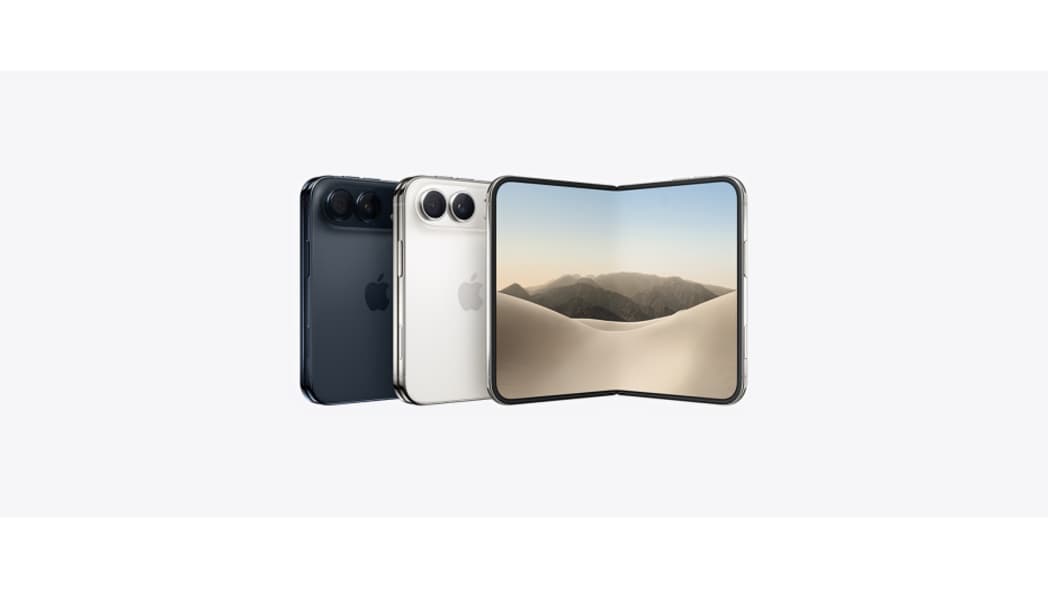
Samsung is doubling down on its commitment to the foldable smartphone segment, focusing not only on design innovation but also on core improvements in durability and artificial intelligence capabilities. The tech giant unveiled its latest generation of foldable devices with a clear intention to redefine how consumers perceive and use smartphones with flexible screens.
The new models, part of the Galaxy Z Fold and Z Flip series, come with upgraded hinge technology and reinforced display layers designed to withstand more folding cycles and accidental drops. According to Samsung, these improvements are based on feedback from years of customer use and rigorous internal testing. The devices are now said to endure more than 200,000 folds without significant performance issues, making them more practical for daily use.
Beyond hardware, Samsung is placing AI at the center of its foldable experience. With onboard generative AI capabilities and enhanced personalization tools, the new devices promise smarter app suggestions, more efficient battery management, and advanced productivity tools. Features like real-time translation, voice-to-text transcription, and intelligent photo editing are now baked directly into the device experience, with Samsung aiming to provide more than just aesthetic appeal.
Samsung’s focus on AI is not just about convenience but also about creating a unique user experience that adapts to individual preferences. The company’s in-house AI engine, coupled with integration into its broader ecosystem of wearables, tablets, and smart home products, is designed to deliver seamless connectivity and continuity across devices.
Market analysts view this strategy as a response to increasing competition, especially from Chinese manufacturers that have entered the foldable market with aggressive pricing and innovation. Brands like Huawei, Oppo, and Honor have launched their own foldable devices, putting pressure on Samsung to differentiate itself through a mix of engineering excellence and software leadership.
India continues to be a key market for Samsung, especially as consumer interest in high-end smartphones grows. With more professionals and tech-savvy users embracing hybrid work and multitasking needs, foldable phones offer a compact solution that combines portability with a tablet-like experience. Samsung has also expanded its retail footprint and after-sales support in India to accommodate foldable device users, providing additional reassurance about long-term reliability.
In terms of pricing, the company has not significantly lowered the cost barrier, but it has introduced trade-in offers, EMI options, and bundled services to make foldables more accessible. Samsung's goal is not just to appeal to tech enthusiasts but to attract a broader range of customers who may have previously hesitated due to concerns over durability or software maturity.
As the foldable category matures, Samsung’s focus on refining key elements like build quality and AI integration suggests a move toward making these devices mainstream. With each iteration, the company inches closer to replacing traditional smartphone formats with flexible, intelligent designs that offer greater utility in everyday life. Whether consumers adopt this vision at scale remains to be seen, but Samsung is clearly shaping the future with confidence.