The global smartphone market in 2025 continues to be defined by intense competition between Apple and leading Android manufacturers. While the iPhone 17 remains a popular choice due to its performance, software stability, and ecosystem integration, several Android smartphones have introduced features that outperform Apple’s flagship in specific areas. Industry experts highlight at least six Android devices that stand out in terms of innovation, hardware flexibility, and user-centric features.
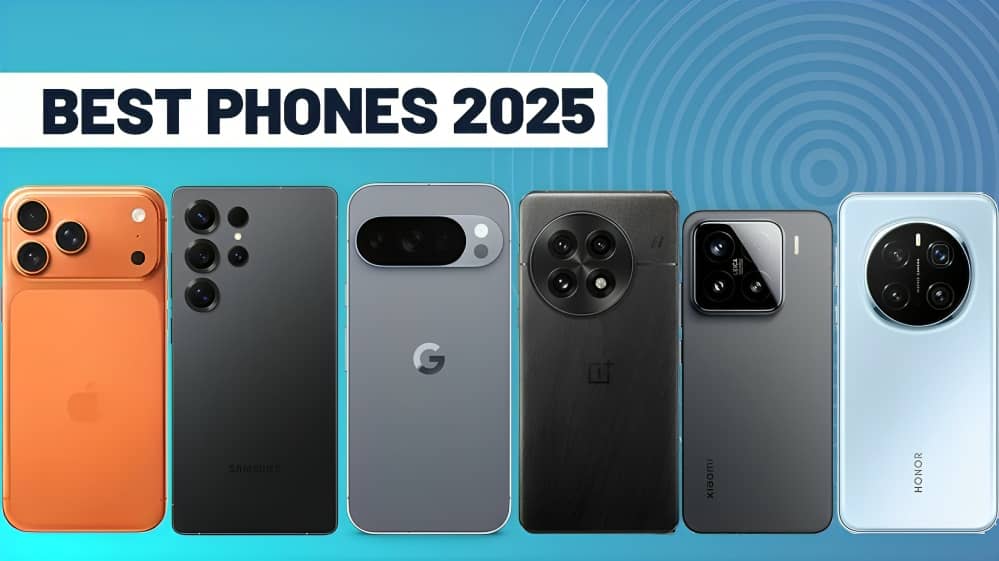
Samsung’s Galaxy S25 Ultra is widely regarded as a strong competitor, offering a high-resolution display with an adaptive refresh rate, advanced camera zoom capabilities, and extensive AI-based image processing. The inclusion of stylus support and a versatile camera setup gives it an edge for productivity and photography-focused users.
Google’s Pixel 9 Pro continues to focus on computational photography and AI-driven software features. Its camera performance, particularly in low-light conditions, and real-time AI tools for image and video editing are often cited as areas where it outperforms the iPhone 17. Google’s clean Android experience and timely software updates also appeal to users seeking simplicity.
OnePlus has strengthened its premium lineup with the OnePlus 13 Pro, which emphasises fast charging technology and smooth performance. With significantly faster wired and wireless charging compared to Apple’s offering, the device caters to users who prioritise convenience and minimal downtime.
Xiaomi’s flagship models, such as the Xiaomi 15 Ultra, continue to push boundaries in camera hardware and battery capacity. High-resolution sensors, custom imaging systems, and large batteries with rapid charging support provide strong alternatives for photography enthusiasts and power users.
Vivo’s premium smartphones have gained attention for their collaboration-driven camera tuning and display quality. Devices like the Vivo X100 Pro focus on colour accuracy, portrait photography, and advanced stabilisation, areas where Android manufacturers have been closing the gap or moving ahead of Apple.
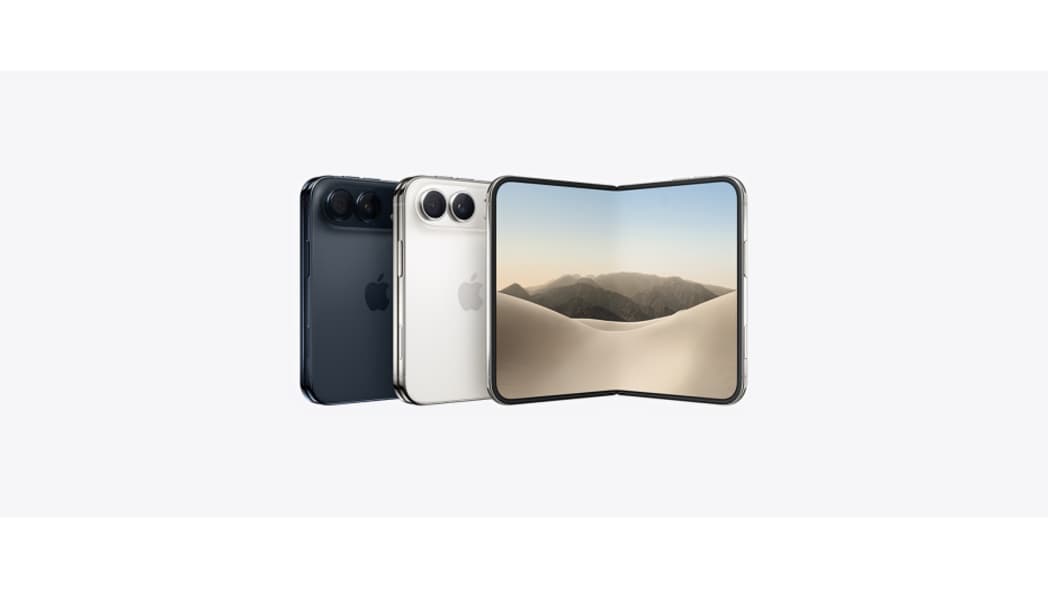
Another notable mention includes foldable Android devices from brands like Samsung and Oppo. These devices offer form factors that Apple has yet to introduce, appealing to users looking for multitasking and innovative design experiences beyond traditional smartphones.
Technology analysts note that while the iPhone 17 excels in long-term software support, performance optimisation, and ecosystem integration, Android phones offer greater hardware diversity and feature experimentation. Consumers increasingly choose devices based on individual needs rather than brand loyalty alone.
In India, pricing flexibility and feature-to-cost ratio also play a significant role. Many Android flagships provide premium specifications at competitive prices, making them attractive alternatives to Apple’s high-end models.
Overall, the smartphone landscape in 2025 reflects a balance between Apple’s refined ecosystem approach and Android’s rapid hardware innovation. For users seeking customisation, fast charging, advanced camera options, or new form factors, several Android smartphones present compelling choices alongside the iPhone 17.