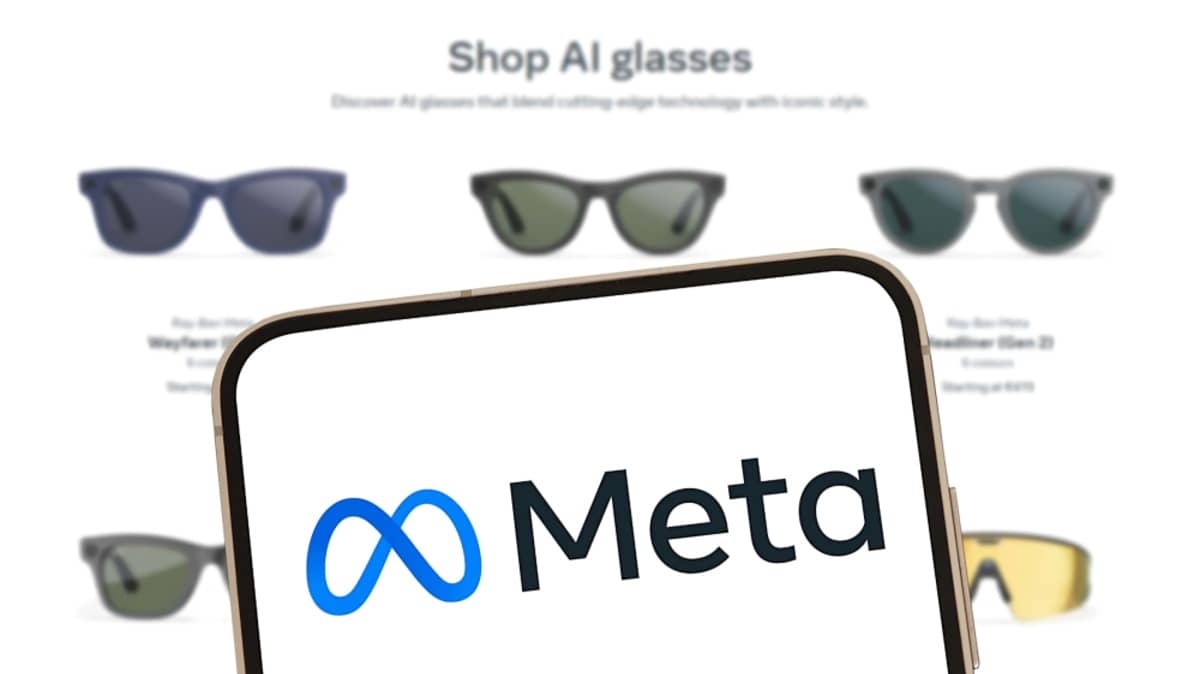
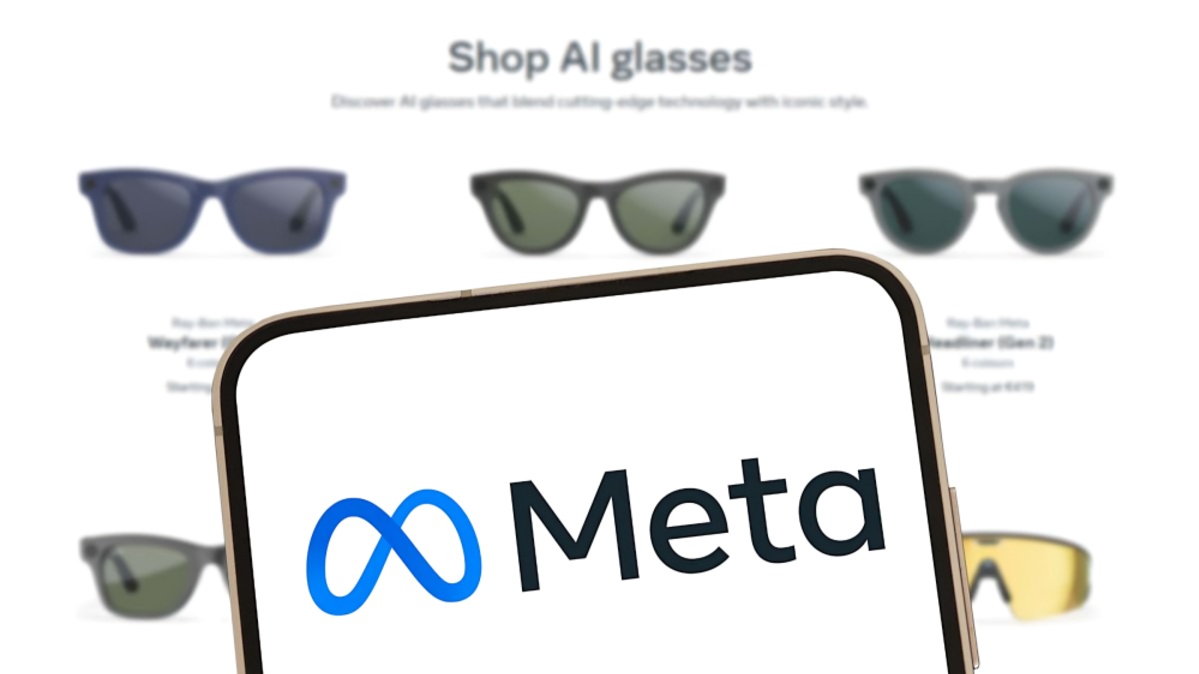
UK cinemas are considering restricting the use of camera enabled smart glasses, including Meta’s AI powered glasses, amid growing concerns over film piracy and privacy.
The issue has emerged as smart glasses become increasingly common and gain new capabilities such as hands free photography, video recording, artificial intelligence assistance, translation and accessibility features.
The UK Cinema Association has confirmed that cinema operators are reviewing their policies regarding camera enabled smart glasses. Some venues may introduce rules prohibiting or restricting their use inside cinemas, particularly during film screenings.
However, there is currently no single nationwide ban covering all UK cinemas. Individual cinema operators are considering their own policies, meaning the rules could vary between venues.
Main concern is film piracy
The biggest concern for cinema operators is the possibility that smart glasses could allow viewers to record films without attracting the same attention as a smartphone or conventional camera.
Modern smart glasses can contain small cameras integrated into their frames. Users can operate the devices without holding a recording device in front of them, potentially making it more difficult for cinema staff to identify unauthorised recording.
This has raised concerns among cinema operators because a high quality recording of a newly released film could potentially be distributed online without permission.
Film piracy remains a significant issue for the entertainment industry. Unauthorised recording and distribution of copyrighted films can cause financial losses for studios, distributors and cinemas.
The UK government’s Intellectual Property Office has previously highlighted the wider impact of piracy on the creative industries.
Privacy concerns add to the debate
The concerns are not limited to film piracy.
Smart glasses have also faced criticism because they can be used to capture photographs and videos in public without the people being recorded necessarily realising it.
This has led to growing debate over privacy and consent.
Meta has defended its smart glasses by pointing to built in privacy features. The company says a visible light is activated when the glasses are recording, allowing people nearby to know that video or photographs are being captured. Meta has also said that its technology includes tamper detection designed to prevent users from disabling the recording indicator.
Despite these measures, concerns about discreet recording have continued.
The controversy has resulted in restrictions at several types of venues in the UK, including some restaurants, theatres and pubs.
Cinemas face a different challenge
The cinema industry's concerns are particularly focused on copyright protection.
Unlike restaurants or pubs, cinemas show copyrighted films that are intended to remain within the theatre environment until their authorised release.
A person wearing camera enabled smart glasses could potentially record portions of a film while appearing to simply watch the screening.
Cinema operators therefore have to consider whether existing anti piracy procedures are sufficient for this new category of technology.
Traditional cinema security measures often focus on smartphones, handheld cameras and other visible recording devices. Smart glasses introduce a different challenge because the camera is integrated into an item that resembles ordinary eyewear.
Accessibility benefits also need consideration
The UK Cinema Association has acknowledged that smart glasses can provide important benefits for people with accessibility requirements.
AI powered glasses can offer features such as personalised subtitles, assistance with visual information and hands free interaction.
For people with visual impairments, smart glasses may provide tools that make everyday activities easier.
Some users can use AI features to understand objects, read signs or receive information through audio. These functions have led disability advocates and technology users to argue against blanket restrictions.
The cinema industry therefore faces a difficult task.
Operators need to protect films from unauthorised recording while ensuring that people who depend on assistive technology are not unnecessarily excluded.
The UK Cinema Association has said it will continue working with its members to ensure that policies remain relevant and proportionate.
Different cinemas could adopt different rules
Because there is no single industry wide prohibition, customers could encounter different rules depending on the cinema they visit.
One cinema may prohibit camera enabled smart glasses completely, while another may allow them if the camera function is disabled.
Other venues could require customers to remove the glasses during screenings or speak with staff if the glasses are being used for accessibility purposes.
Such differences could create uncertainty for customers.
Cinema operators may therefore need to provide clear information about their policies before customers arrive.
Legal and regulatory questions
The debate over smart glasses is also taking place outside cinemas.
Courts in England and Wales have recently prohibited the use of Meta smart glasses because of restrictions on photography and video recording inside court facilities.
The UK government has also said there are already criminal offences that can apply to harmful recording activities, including certain forms of harassment, stalking and voyeurism.
The government has previously indicated that it does not currently plan to introduce specific legislation covering the use of camera enabled smart glasses in public spaces.
This means many venues are currently relying on their own rules to control the use of such devices.
Technology is developing rapidly
Smart glasses are becoming more advanced as technology companies add artificial intelligence capabilities.
The latest generation of devices can provide users with information without requiring them to take out a smartphone.
They can also support communication, navigation, translation and other functions.
Meta has promoted its smart glasses as a way for users to remain connected while keeping their hands free.
However, the same features that make the technology useful can create new challenges in locations where recording is prohibited.
For cinemas, the ability to record video hands free is particularly sensitive.
Industry wants a balanced approach
The UK Cinema Association has indicated that cinema operators understand the benefits of wearable technology but are also aware of the risks.
The association's position is that policies should remain proportionate and should reflect developments in technology.
This could mean that cinemas introduce targeted restrictions rather than completely banning all smart glasses.
For example, venues could focus specifically on glasses with recording capabilities rather than devices that provide accessibility functions without cameras.
Another possibility is that cinemas could develop procedures allowing customers with genuine accessibility needs to use the technology under controlled conditions.
The exact approach will ultimately depend on individual cinema operators.
Impact on the future of smart glasses
The debate could have wider implications for the smart glasses industry.
If more public venues introduce restrictions, manufacturers may face pressure to develop stronger privacy safeguards.
Technology companies could also be required to make recording indicators more visible and improve systems that prevent users from disabling those indicators.
Clearer communication about when cameras are operating could help address some privacy concerns.
At the same time, technology companies will need to demonstrate that their products can provide accessibility benefits without creating unnecessary risks for other members of the public.
The current debate illustrates the difficulty of introducing wearable cameras into everyday environments.
Smartphones already allow people to record video, but smart glasses can make recording less obvious because the camera is integrated into eyewear.
This difference has become a major part of the privacy debate.
No blanket ban at present
Despite headlines suggesting that Meta AI glasses could be banned across UK cinemas, the current situation is more nuanced.
The UK Cinema Association has said operators are considering restrictions, but there is no single nationwide ban imposed across all cinemas.
Policies are being developed at the individual operator or venue level.
This means customers should check the rules of their chosen cinema before attending a screening if they use camera enabled smart glasses.
The issue is likely to remain under discussion as the technology becomes more widespread.
What happens next
Cinema operators will continue assessing the risks associated with smart glasses and determining how best to protect films from unauthorised recording.
At the same time, accessibility considerations are expected to remain an important part of the discussion.
Meta has argued that its glasses provide valuable technology for people with visual impairments and other accessibility needs. The company has also called for consistent and proportionate rules rather than broad restrictions.
For cinema operators, the priority is preventing piracy and protecting the privacy of audiences.
The challenge will be finding a system that addresses those concerns without unnecessarily preventing customers from using technology that provides legitimate assistance.
The debate over Meta AI glasses therefore represents a broader question about how society should regulate wearable cameras.
As smart glasses become more sophisticated, similar questions could arise in airports, museums, schools, workplaces, sporting venues and other public locations.
For now, UK cinemas are reviewing their approach rather than introducing one universal ban.
The final policies are likely to vary between venues, with operators balancing film protection, audience privacy, accessibility and the growing use of wearable artificial intelligence technology.