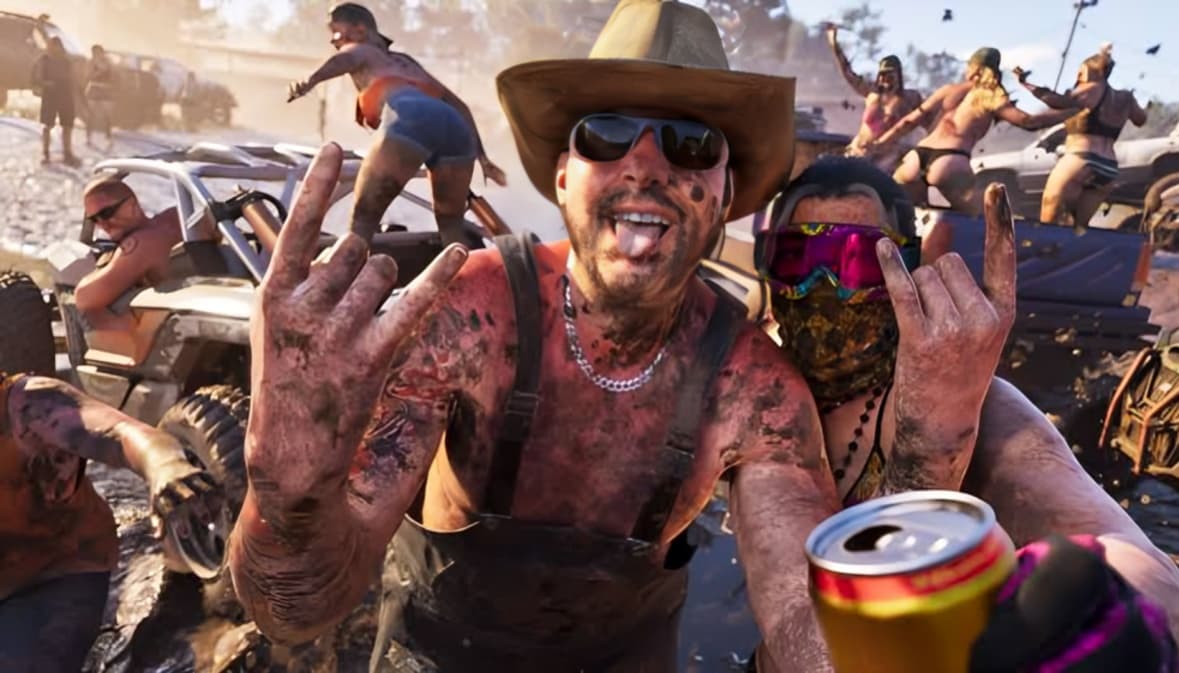
The developers behind Crimson Desert have issued a public apology after it was discovered that AI generated artwork had been included in the game. According to the development team, the content was not intended to be part of the final release and was mistakenly shipped due to an internal oversight.
The incident has drawn attention from players and industry observers, raising questions about quality control and the increasing use of artificial intelligence in game development. While AI tools are becoming more common in creative processes, their use in final products continues to be a subject of debate within the gaming community.
In their statement, the developers clarified that the artwork in question was part of an earlier stage of development and had not been approved for the final version. They explained that the inclusion of this content was accidental and not reflective of the studio’s intended standards. The team also assured players that steps are being taken to correct the issue and prevent similar occurrences in the future.
The use of AI generated content in video games has been growing, with developers experimenting with such tools for concept art, design assistance and prototyping. However, the transition from development stages to final release requires careful review to ensure that all elements meet the expected quality and originality standards.
Industry experts note that this incident highlights the importance of robust internal processes in game development. Large projects often involve multiple teams and stages, making it essential to maintain clear communication and thorough checks before final deployment. Even minor oversights can lead to unintended outcomes, as seen in this case.
Players have responded with a mix of reactions, with some expressing concern about the use of AI in creative works, while others have focused on the need for transparency and accountability. The discussion reflects broader concerns about how emerging technologies are integrated into creative industries.
The developers’ decision to publicly acknowledge the mistake and apologise has been seen as an important step in addressing the issue. Transparency in handling such situations can help maintain trust between developers and the gaming community.
Going forward, the studio is expected to review its workflows and implement stricter quality assurance measures. This may include additional checks during the final stages of development and clearer guidelines regarding the use of AI generated assets.
The incident also contributes to ongoing discussions about the role of AI in creative fields. While the technology offers new possibilities, it also raises questions about originality, authorship and ethical considerations.
As the gaming industry continues to evolve, balancing innovation with quality and transparency will remain a key challenge for developers. The situation involving Crimson Desert serves as a reminder of the importance of careful oversight in delivering polished and reliable gaming experiences.