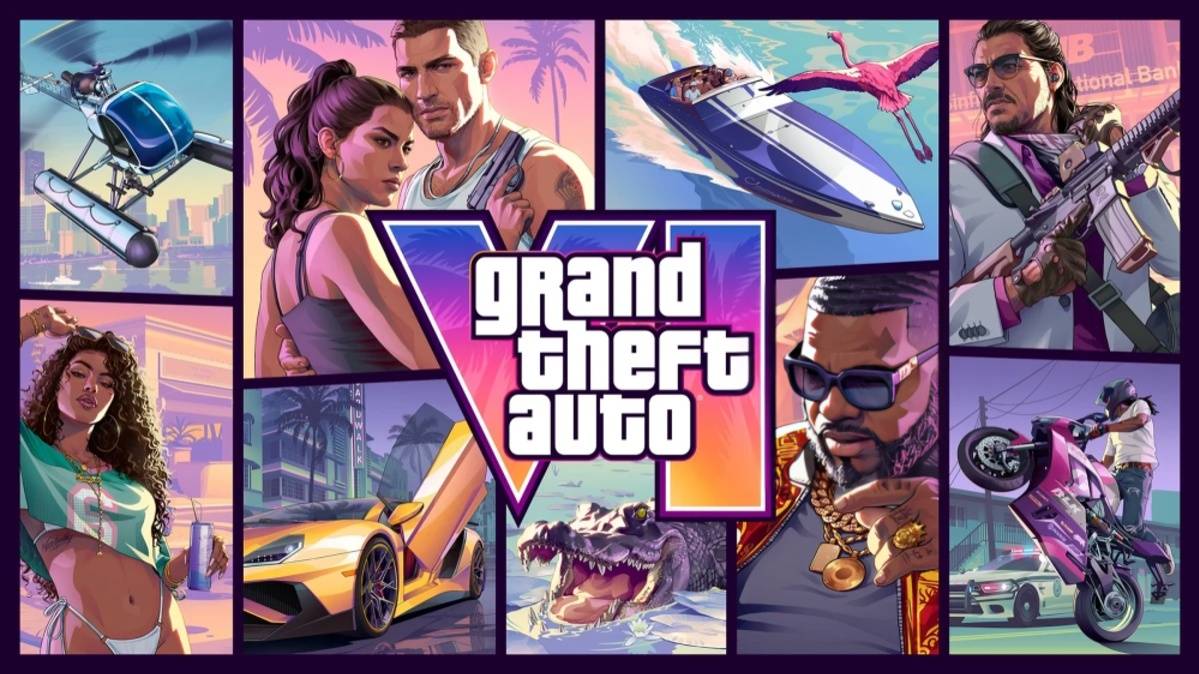
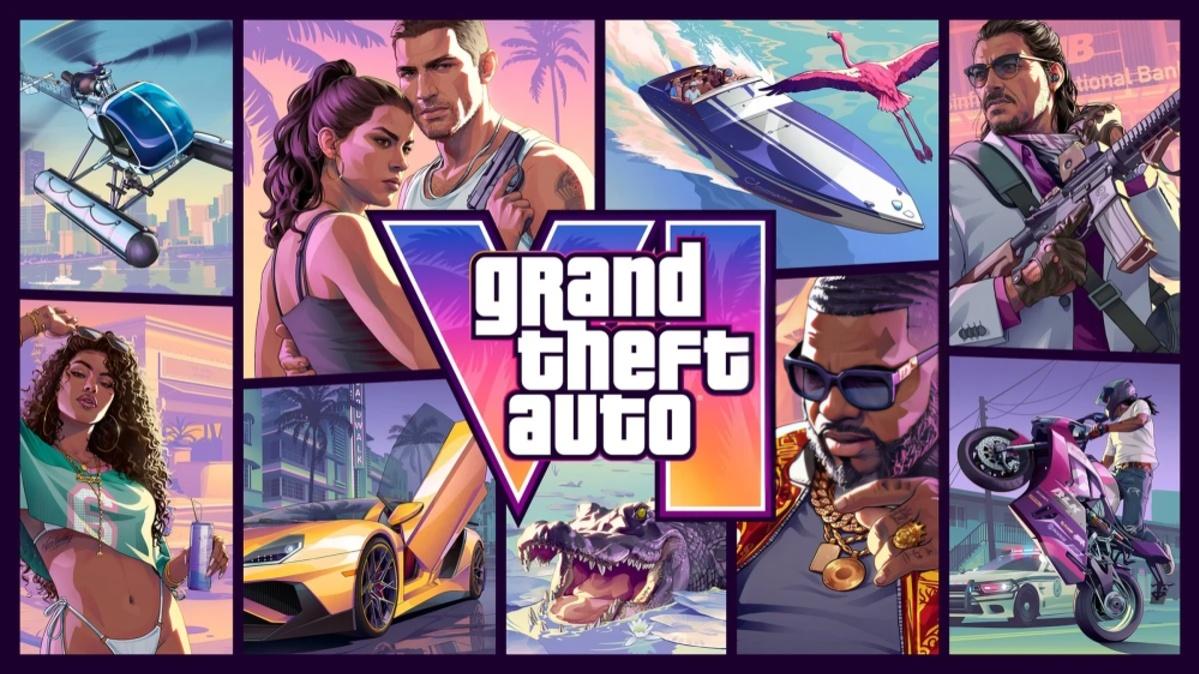
Take Two Interactive, the parent company of Rockstar Games, has reportedly taken copyright enforcement action against Project Leonida, an unofficial initiative aimed at bringing Grand Theft Auto VI to Windows computers.
The project was reportedly developed by a 15 year old gaming enthusiast who attempted to make GTA 6 accessible to PC players ahead of an official PC release.
According to the supplied report, Take Two Interactive filed a complaint under the Digital Millennium Copyright Act through its Intellectual Property Enforcement Team.
The complaint reportedly resulted in GitHub removing 3,007 repositories associated with the project, including the original repository and thousands of copies created by other users.
Following the enforcement action, the teenage developer reportedly decided to discontinue the project.
What Was Project Leonida
Project Leonida was a fan developed gaming initiative intended to make GTA 6 playable on Windows computers.
The project attracted attention because of the considerable interest among PC gamers in accessing the latest instalment of the Grand Theft Auto franchise.
Community developed gaming projects frequently explore modifications, compatibility improvements and alternative methods of accessing existing video games.
However, Project Leonida was not an official Rockstar Games product or an authorised PC version of GTA 6.
The supplied report does not establish whether the project successfully enabled users to play the complete game on Windows computers.
Its technical capabilities, development progress and compatibility with different computer systems also remain unconfirmed.
GitHub Removes 3,007 Repositories Following Copyright Complaint
According to the supplied report, GitHub's public records indicated that 3,007 repositories associated with Project Leonida were removed following Take Two Interactive's copyright complaint.
The affected repositories reportedly included the original project and thousands of copies created by other GitHub users.
GitHub is a widely used software development platform that allows developers to store, manage and collaborate on software projects.
Users can also create copies of existing repositories through a process commonly known as forking.
When a copyright complaint concerns material distributed across multiple repositories, enforcement action may extend beyond the original project.
The reported removal of thousands of repositories highlights how widely an unofficial software project can be copied and distributed through collaborative development platforms.
However, the removal figure does not necessarily represent the number of individual developers or active users involved in Project Leonida.
Teenage Developer Reportedly Discontinues Project
The copyright enforcement action has reportedly prompted the 15 year old developer behind Project Leonida to stop working on the initiative.
Young developers frequently participate in gaming communities to explore programming, software development and creative modifications.
Such projects can provide opportunities to develop technical knowledge and practical programming skills.
However, developers working with commercially owned video games must consider applicable copyright laws and intellectual property restrictions.
The supplied report does not include a complete statement from the teenage developer explaining the decision to discontinue Project Leonida.
There is also no confirmation that Take Two Interactive has initiated separate legal proceedings or sought financial compensation from the developer.
The reported action primarily concerns the removal of project repositories from GitHub.
Understanding the Digital Millennium Copyright Act
The Digital Millennium Copyright Act is a United States copyright law enacted in 1998 to address intellectual property protection in the digital environment.
The legislation provides mechanisms through which copyright holders can request the removal of material they believe infringes their intellectual property rights.
Online platforms such as GitHub maintain procedures for receiving and processing copyright complaints.
When a complaint satisfies applicable requirements, the platform may remove or restrict access to the identified material.
Copyright enforcement can affect software repositories, digital media and other online content containing allegedly unauthorised copyrighted material.
However, a copyright takedown does not necessarily represent a final judicial determination that infringement has occurred.
The specific materials identified in Take Two Interactive's complaint have not been detailed in the supplied report.
Rockstar Games and Intellectual Property Protection
Rockstar Games is the developer and publisher behind the Grand Theft Auto franchise, while Take Two Interactive is its parent company.
The Grand Theft Auto series has become one of the most recognised franchises in the global video game industry.
Major gaming companies invest substantial resources in game development, software engineering, storytelling, visual design and intellectual property protection.
Unauthorised distribution of copyrighted game files, software code or proprietary assets can raise legal concerns for rights holders.
Gaming companies may use copyright enforcement mechanisms to address activities they believe infringe their intellectual property rights.
However, not every fan developed modification or community project necessarily violates copyright law.
The legal status of individual projects depends on the materials used, applicable licences, permissions and relevant legal provisions.
PC Gaming Community Awaits Official GTA 6 Availability
The reported shutdown of Project Leonida highlights the considerable interest among PC gamers in accessing Grand Theft Auto VI.
PC gaming remains an important segment of the global video game industry, with players often seeking improved graphical performance, hardware flexibility and customisation options.
Unofficial projects sometimes emerge when popular games are not immediately available across all gaming platforms.
However, unofficial compatibility projects may involve technical limitations, security concerns and intellectual property issues.
Players interested in accessing GTA 6 on Windows computers will need to follow official announcements from Rockstar Games regarding PC availability.
The supplied report does not provide a confirmed release date for the official PC version of GTA 6.
Copyright Challenges Facing Fan Developed Gaming Projects
The Project Leonida incident highlights the challenges that can arise when community creativity intersects with commercially protected intellectual property.
Fan communities contribute to the gaming industry through modifications, artwork, discussions, software tools and other creative activities.
However, developers must distinguish between original creative work and the unauthorised use or distribution of protected game assets.
Understanding software licences, copyright restrictions and developer policies can help reduce potential legal complications.
Gaming companies may establish different policies regarding community modifications and fan developed content.
Developers should therefore review the relevant permissions and legal requirements before distributing projects involving commercially owned video games.
Future of Project Leonida Remains Uncertain
The reported removal of 3,007 GitHub repositories represents a significant setback for Project Leonida and its teenage developer.
According to the supplied report, the developer has decided to discontinue the initiative following Take Two Interactive's copyright enforcement action.
The incident has brought renewed attention to the relationship between gaming companies, independent developers and fan communities.
While interest in GTA 6 among PC gamers remains considerable, the future availability of an official Windows version depends on Rockstar Games and its release plans.
Further official statements from Take Two Interactive, Rockstar Games or GitHub could provide greater clarity regarding the copyright complaint and the circumstances surrounding the project's removal.