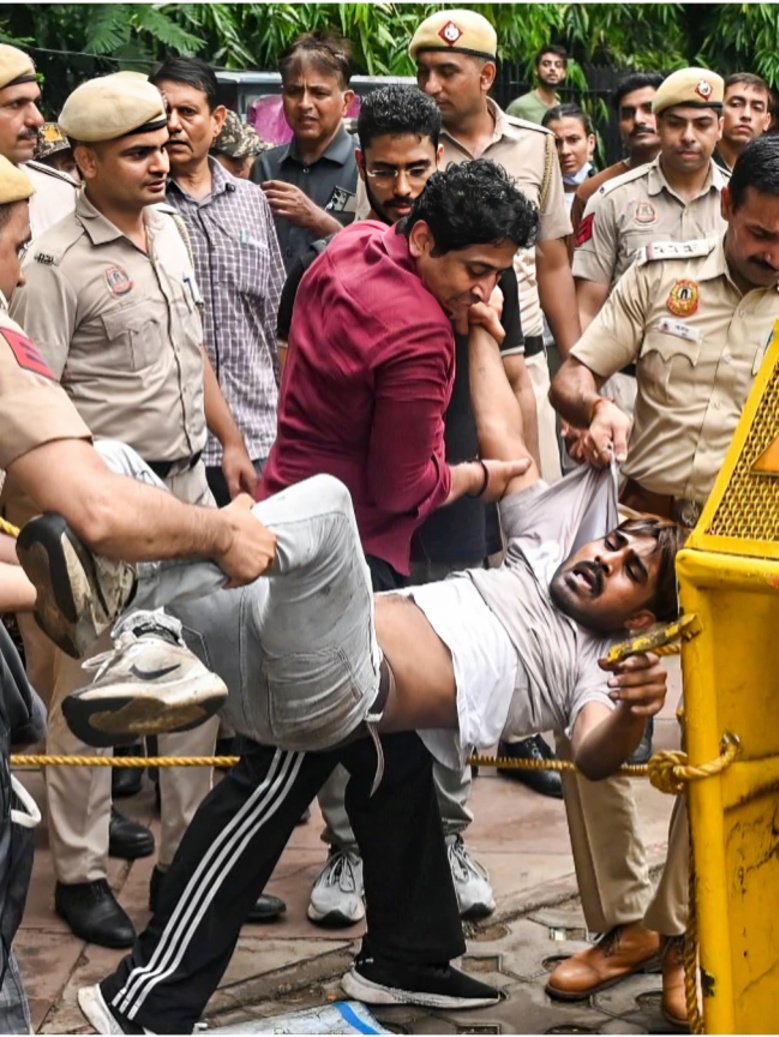
The Delhi Police has approached the Supreme Court seeking permission to withdraw 13 FIRs registered following violence during a student protest march towards Parliament on July 20. The police has requested the Supreme Court to exercise its powers under Article 142 of the Constitution to bring an end to the proceedings in the identified cases.
According to the application, 10 of the 13 FIRs include charges relating to attempt to murder. The police has also sought permission for registration of a separate FIR against 2,873 people whom it has described as being involved in criminal activities connected with the violence.
Solicitor General Tushar Mehta, appearing for the Delhi Police, requested an urgent listing of the application before a Supreme Court bench headed by Chief Justice of India Surya Kant. The request comes amid continuing political and legal discussion over the FIRs registered after the protest.
The matter has gained additional attention because of a proposed fresh march scheduled for September 5. The protesters are planning to march from India Gate towards the Delhi Police Headquarters to raise their concerns over the status of the FIRs.
The protesters have accused the Centre of failing to fulfil commitments made earlier and of delaying the proposed withdrawal of the cases. The allegations are part of the ongoing political dispute and have not been established as findings by the court.
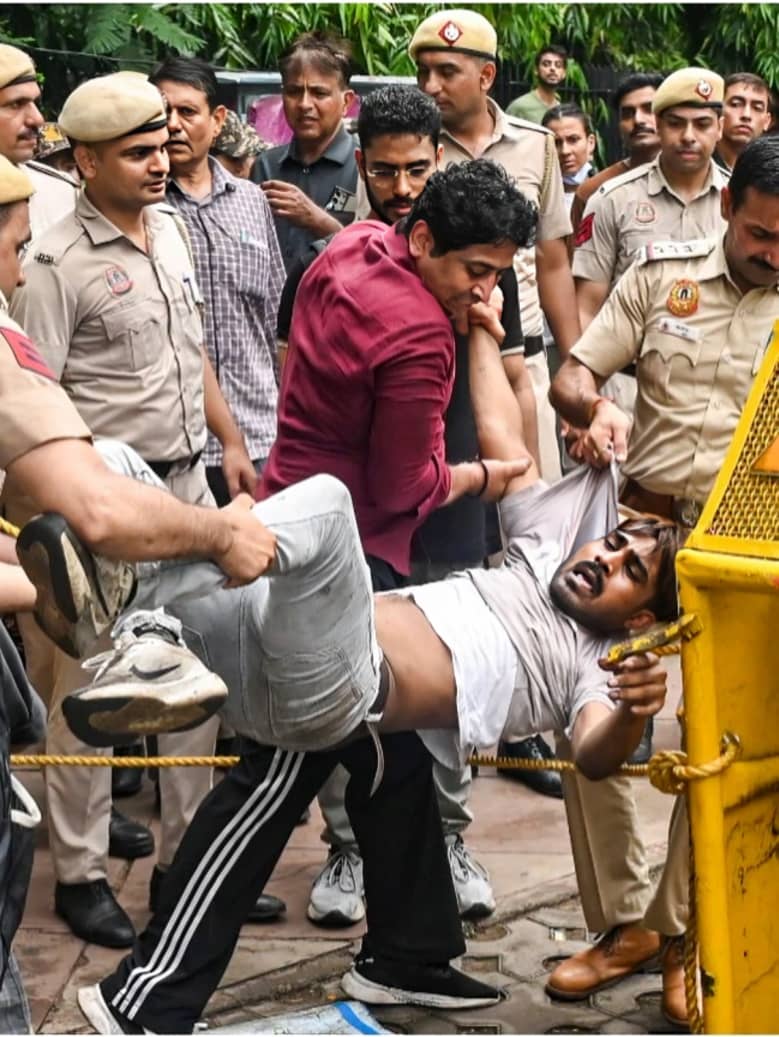
The July 20 protest had resulted in clashes and violence in parts of Delhi, following a march by students towards Parliament. Police subsequently registered multiple FIRs in connection with the incidents. The cases include serious criminal charges, including attempt to murder in several FIRs.
The Delhi Police has now asked the Supreme Court to exercise its extraordinary constitutional powers under Article 142. The provision gives the Supreme Court the authority to pass orders necessary to do complete justice in matters before it.
However, the police request does not mean that the FIRs have already been cancelled. The Supreme Court will have to consider the application and determine whether the relief sought by the Delhi Police should be granted.
The request to withdraw the FIRs is significant because criminal cases involving serious charges generally proceed through established legal procedures. Any decision to quash or withdraw proceedings will ultimately depend on the court's consideration of the facts, legal provisions and circumstances surrounding the cases.
The Delhi Police has also proposed registering an FIR against 2,873 people whom it has described as criminal elements responsible for the violence. This part of the police request is separate from the plea seeking withdrawal of the 13 existing FIRs.
The development has therefore created two distinct legal questions. The first concerns whether the 13 FIRs should be withdrawn or quashed. The second concerns the police request to initiate proceedings against a much larger group of people allegedly responsible for the violence.
The September 5 protest has added a political dimension to the legal proceedings. Organisers have said that the march is intended to highlight what they describe as the Centre's failure to fulfil promises concerning the FIRs.
The protesters have also raised concerns about the delay in resolving the cases. They argue that the authorities should act on the commitments previously made regarding the withdrawal of FIRs.
The Centre and Delhi Police may present their respective positions before the Supreme Court during the proceedings. The court's decision will determine whether the police can proceed with the proposed withdrawal of the 13 FIRs.
The case also highlights the distinction between an FIR and a final finding of guilt. An FIR records information about an alleged offence and begins the criminal investigation process. The registration of an FIR does not by itself establish that the accused persons are guilty.
Similarly, charges mentioned in an FIR remain allegations until they are examined through the legal process. In the present matter, several FIRs reportedly contain attempt to murder provisions, but the inclusion of such provisions does not constitute a judicial finding of guilt.
The Supreme Court's consideration of Article 142 is therefore expected to be closely watched. If the court accepts the Delhi Police request, it could bring the specified FIR proceedings to an end. If the court declines the request, the cases could continue through the normal legal process.
The proposed September 5 march is also likely to keep the issue in the public spotlight. Protesters have indicated that they intend to raise the FIR issue during the march from India Gate to the Delhi Police Headquarters.
The police, meanwhile, has approached the country's highest court for an urgent decision. The request for early listing reflects the importance the authorities are placing on resolving the legal status of the 13 FIRs.
The controversy has also generated debate over the balance between the right to protest and the need to maintain public order. Peaceful protest is a recognised democratic activity, while violence or criminal conduct during a protest can lead to legal action. Determining individual responsibility requires investigation and due legal process.
The July 20 incident and the subsequent FIRs have therefore become part of a wider debate involving student protests, policing, criminal proceedings and political accountability.
The Supreme Court's eventual decision will be important in determining the future of the 13 FIRs. Until the court passes an order, the FIRs should be described as cases that the Delhi Police is seeking to withdraw rather than cases that have already been cancelled.
The police's proposal concerning 2,873 alleged criminal elements will also require appropriate legal procedures and investigation. The identities and individual roles of people allegedly involved would need to be established through evidence.
For now, the immediate development is the Delhi Police's request before the Supreme Court. The police has sought the exercise of Article 142 powers to withdraw 13 FIRs connected with the July 20 protest violence, including 10 involving attempt to murder provisions.
The matter comes ahead of the proposed September 5 march, with protesters demanding action on the FIR issue and accusing the Centre of delaying the withdrawal process.
The Supreme Court's response to the application will determine the next legal step. Until then, both the police request and the protesters' allegations remain part of an ongoing legal and political dispute.