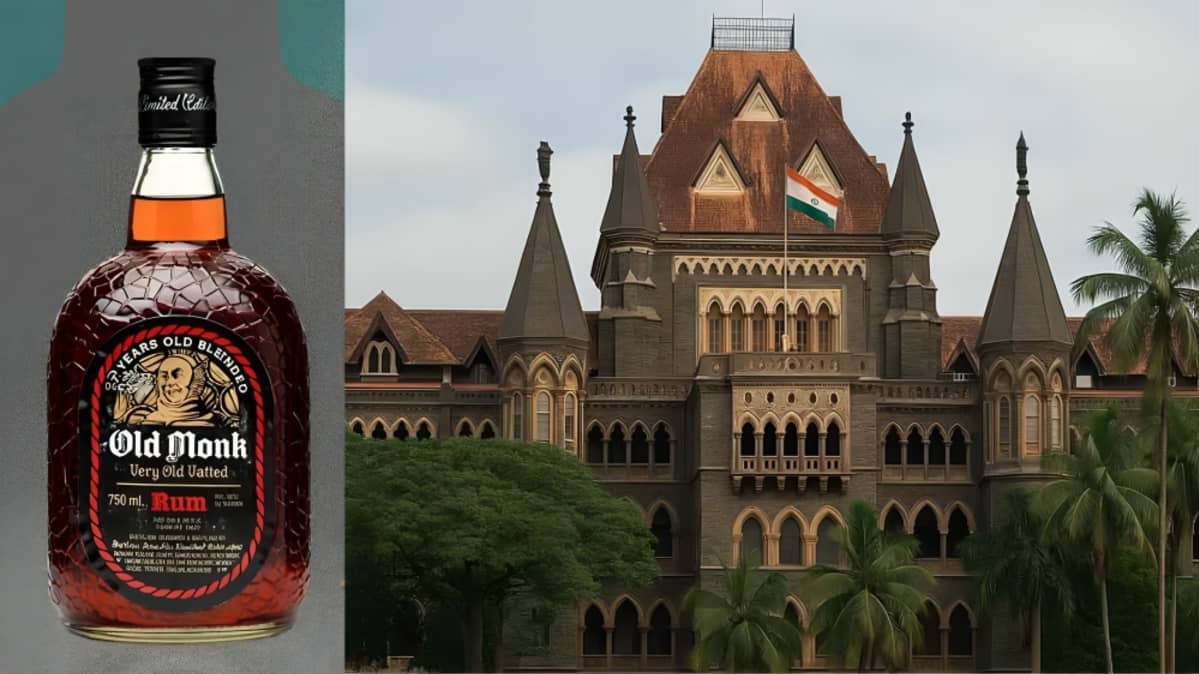
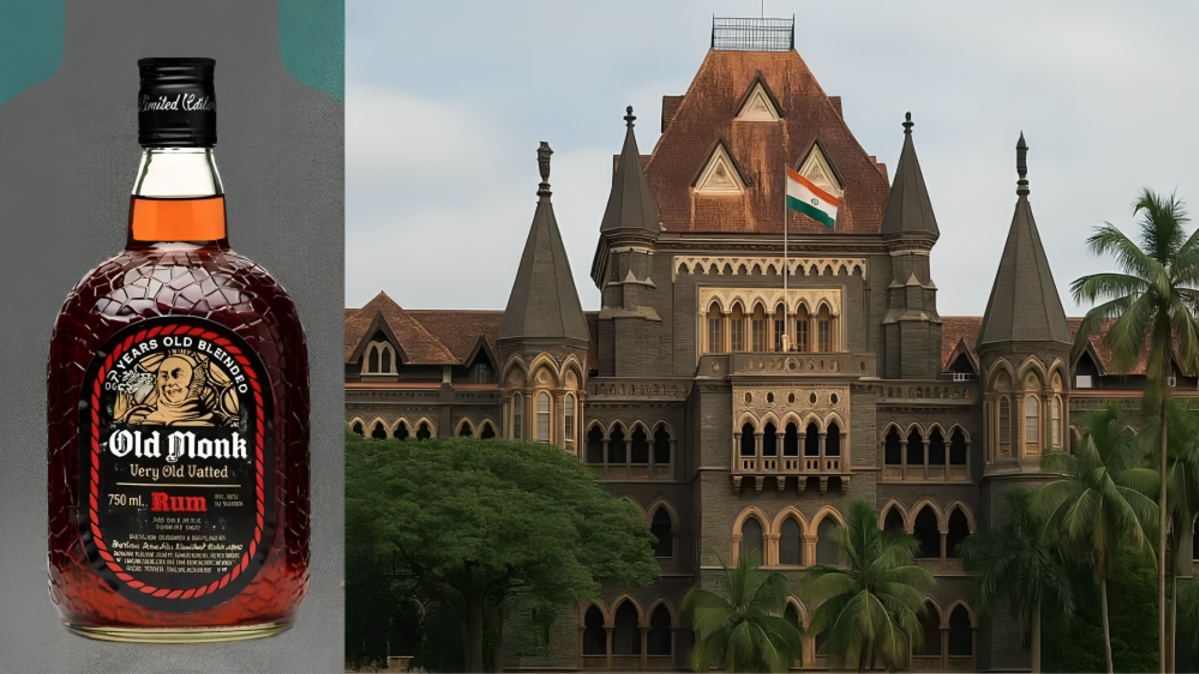
The Food Safety and Standards Authority of India has told the Bombay High Court that Old Monk cannot be marketed or sold as rum under its current formulation and labelling. The food regulator has raised concerns over the ingredients and labelling of the popular alcoholic beverage and said the product does not meet the regulatory requirements for being described simply as rum.
The matter is currently before the Bombay High Court following regulatory action against the product in Maharashtra. The dispute involves the formulation of Old Monk, the use of added flavouring substances and claims made on the product packaging.
According to FSSAI, the product is primarily made using neutral spirit and contains artificial and nature identical rum flavouring substances. The regulator has argued that the addition of such flavouring alters or masks the natural characteristics expected of a standardised rum product. On that basis, FSSAI has said the product should not be marketed simply as rum.
FSSAI has suggested that products of this nature should instead be identified through appropriate terminology such as rum flavoured spirit or flavoured rum, depending on the applicable regulatory requirements. The regulator's position is that consumers should be able to clearly understand the nature and composition of an alcoholic beverage from its label.
The case also involves the labelling of Old Monk XXX Matured Rum. FSSAI has objected to the phrase seven years old blended, arguing that the claim could give consumers the impression that the entire spirit had been aged for seven years.
Under the Food Safety and Standards Alcoholic Beverages Regulations, 2018, the age statement for a blended spirit is required to be based on the youngest spirit used in the blend. FSSAI has therefore questioned whether the seven year claim accurately represents the product.
The regulator's concerns followed enforcement action involving alcoholic beverage manufacturers over the use of external artificial or nature identical flavouring substances and potentially misleading product descriptions. The Ministry of Health and Family Welfare has stated that products using such flavouring to imitate the characteristic taste or aroma of standardised alcoholic beverages may need to be classified differently.
The Old Monk dispute began after regulatory authorities examined the product and raised concerns about its composition and packaging. FSSAI subsequently restricted its sale in Maharashtra, prompting the manufacturer to approach the Bombay High Court seeking relief.
During the court proceedings, the manufacturer agreed to make changes to the product label. Among the proposed changes was the removal of the seven years old blended description and clearer disclosure of added flavouring. The company has submitted revised labels for consideration by the authorities.
The Bombay High Court has so far not granted immediate interim relief to the manufacturer against the restrictions. The court has sought further consideration of the revised labels and the regulatory requirements applicable to the product.
The dispute is therefore not simply about the name printed on the bottle. FSSAI has told the court that its objection concerns the fundamental nature of the product and whether the ingredients and manufacturing process allow it to be classified as rum under the applicable food safety standards.
The regulator has specifically questioned the use of neutral spirit and added rum flavouring. According to FSSAI, the characteristic flavour of rum should arise from the natural ingredients, fermentation and maturation process rather than from external flavouring substances that are added to a neutral spirit base.
The issue has also raised questions about consumer information. FSSAI has maintained that labels must not create an impression that differs from the actual nature of the product. The regulator has argued that consumers should receive clear information about added flavouring and other relevant characteristics before purchasing an alcoholic beverage.
The company, meanwhile, has challenged the regulatory action and sought permission to continue selling the product. It has indicated its willingness to modify the packaging in response to the concerns raised during the proceedings.
The court's consideration of the revised labels will be important in determining whether the proposed changes satisfy the requirements raised by FSSAI. The manufacturer has already agreed to remove or modify certain descriptions that the regulator and the court have questioned.
The controversy has also drawn wider attention because Old Monk is one of India's best known alcoholic beverage brands. The regulatory dispute could have implications beyond a single product because FSSAI has been examining similar issues involving the use of external flavouring substances in alcoholic beverages.
FSSAI's broader enforcement action has involved concerns about products being presented under standard categories such as rum or whisky despite the use of additional flavouring substances. The regulator has maintained that such products should be appropriately identified so that consumers are not misled about their true nature.
The case also highlights the distinction between a regulatory allegation and a final judicial determination. FSSAI has presented its position before the Bombay High Court, but the court's ongoing consideration means that the dispute has not been finally resolved.
The manufacturer's revised labels are now part of the regulatory review. The authorities are expected to determine whether the changes adequately address the concerns relating to flavouring disclosure, product classification and age claims.
The Bombay High Court is continuing to examine the matter, and the next proceedings will determine the course of the dispute. Until the legal and regulatory process is completed, claims about the final classification of the product should be understood in the context of FSSAI's objections and the court proceedings.
For consumers, the case has brought greater attention to the importance of accurate labelling of alcoholic beverages. Product names, age statements, ingredient disclosures and descriptions are subject to regulatory requirements intended to ensure that consumers receive accurate information.
The Old Monk dispute also demonstrates how food safety authorities are increasingly examining the way alcoholic beverages are formulated and marketed. The focus is not only on the safety of the ingredients but also on whether the product is correctly represented under established standards.
FSSAI's position is that a product containing neutral spirit and added rum flavouring should not be presented in a way that gives consumers the impression that it is conventional rum produced entirely through the required natural processes.
The manufacturer has proposed label modifications as part of the ongoing proceedings. Whether those changes will be accepted remains subject to regulatory review and the court's consideration.
The Bombay High Court case therefore remains an ongoing dispute involving product classification, labelling standards and consumer information. FSSAI has maintained that Old Monk cannot be sold as rum under its existing presentation, while the manufacturer is seeking relief and working on revised labels.
The final outcome will depend on the court's assessment of the applicable regulations, the product's formulation and the revised labelling proposed by the manufacturer. Until then, the matter remains under judicial and regulatory consideration.