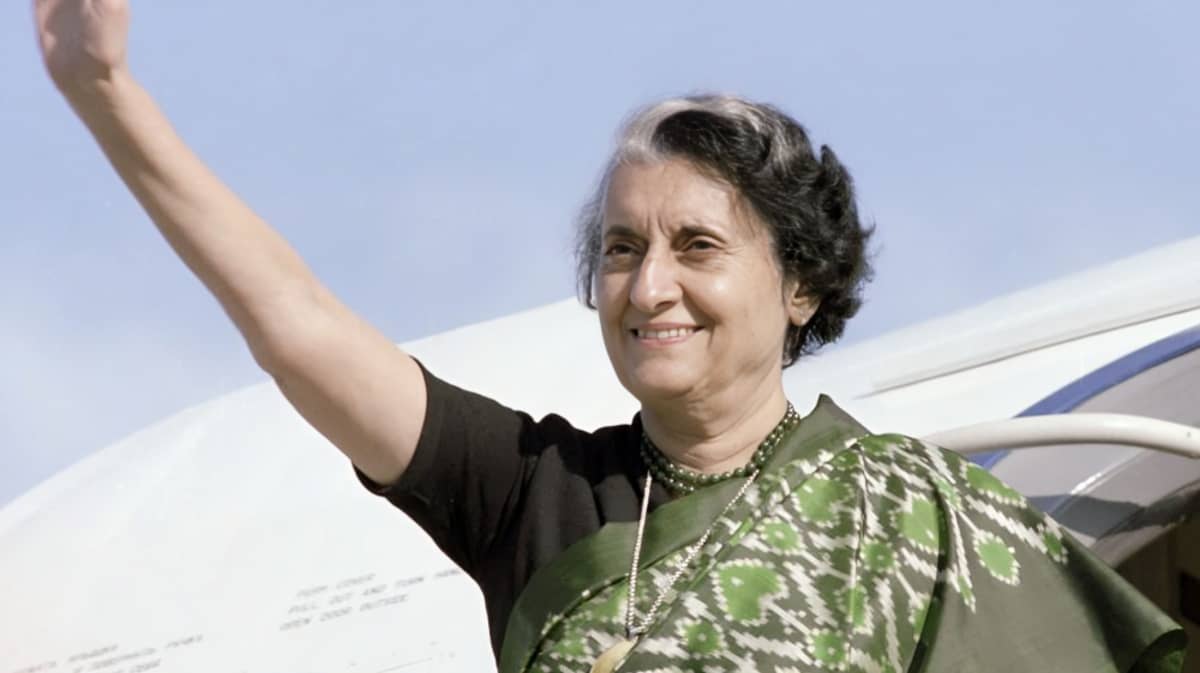
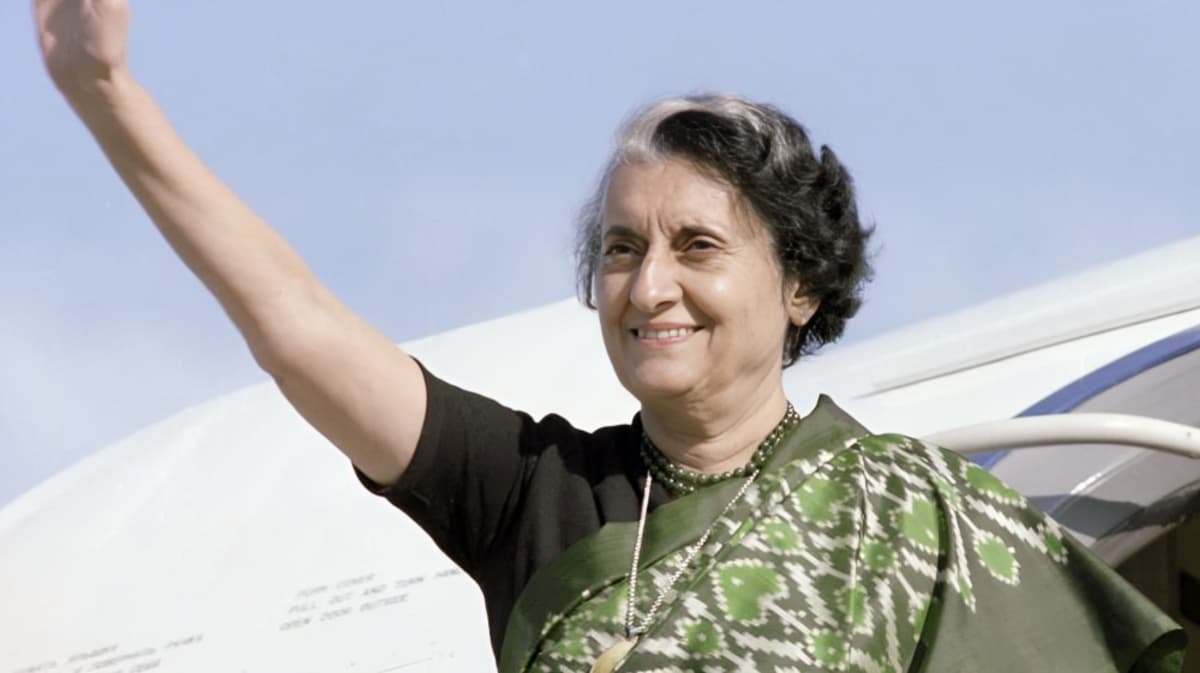
Former Prime Minister Indira Gandhi was remembered by members of the Gandhi family on her death anniversary on October 31. The Gandhi siblings paid tribute to their grandmother, affectionately referred to as Dadi, recalling her memory and her place in India's political history.
Indira Gandhi was India's first woman Prime Minister and one of the most prominent political leaders in the country's history. She served as Prime Minister during two separate periods, from 1966 to 1977 and again from 1980 until her assassination in 1984. Her leadership, political decisions and influence on national affairs made her a significant figure in post-independence India.
October 31 marks the anniversary of her assassination in 1984. She was killed by two of her bodyguards in New Delhi. Her death shocked the country and became one of the most significant events in India's political history. The anniversary is observed every year as an occasion to remember her life, leadership and contribution to public affairs.
The tribute from the Gandhi siblings adds a personal dimension to the annual remembrance. While Indira Gandhi is widely remembered as a political leader, she was also a member of the Gandhi family and the grandmother of the younger generation of its prominent political figures. The reference to her as Dadi reflects the family's personal connection with her beyond her public identity.
Indira Gandhi's political journey began within the Indian National Congress. She became Prime Minister in January 1966 following the death of Lal Bahadur Shastri. Her appointment was a historic moment, as she became the first woman to hold India's highest executive office. At a time when national politics was largely dominated by men, her rise to the top position marked an important development in the country's political landscape.
During her years in office, Indira Gandhi led the country through several major political and economic developments. Her government took important decisions that shaped India's domestic and international policies. Her leadership also remained a subject of considerable public discussion and political debate.
One of the most controversial periods of her tenure was the Emergency, imposed in June 1975 and withdrawn in March 1977. During this period, civil liberties were restricted, political opponents were detained and press freedom faced significant limitations. The Emergency remains an important and widely debated chapter in India's democratic history.
In the 1977 general election, the Congress party lost power, and Indira Gandhi also lost her parliamentary seat. However, she returned to office after the Congress party secured victory in the 1980 general election. Her return demonstrated her continued influence in national politics despite the setbacks she had faced.
Her second term as Prime Minister was marked by major political and security challenges. In June 1984, the Indian Army carried out Operation Blue Star at the Golden Temple complex in Amritsar. The operation and its aftermath created deep tensions and remain sensitive subjects in India's history.
A few months later, on October 31, 1984, Indira Gandhi was assassinated by two of her bodyguards. Her death led to widespread shock and violence in several parts of the country. The event marked a turning point in Indian politics and brought an abrupt end to her second tenure as Prime Minister.
Over the years, Indira Gandhi's political legacy has remained the subject of different assessments. Supporters have highlighted her leadership, political strength and role in shaping India's position internationally. Critics have focused on controversial decisions during her tenure, particularly the Emergency and its impact on democratic institutions.
Her legacy is therefore remembered through both her achievements and the controversies associated with her time in office. Historical assessments of her leadership continue to examine the impact of her decisions on Indian democracy, governance and national politics.
The annual death anniversary provides an opportunity to reflect on her political journey and the events that shaped her public life. Tributes from family members, party leaders and others bring attention to her lasting place in the country's history.
The Gandhi siblings' remembrance of their grandmother on October 31 highlights the personal and historical dimensions of the occasion. While the country recalls Indira Gandhi as its first woman Prime Minister, her family remembers her as a grandmother whose life was closely connected with India's political journey.
Forty-two years after her assassination, Indira Gandhi remains an influential and debated figure in India's history. Her leadership, decisions and political legacy continue to attract public attention and discussion across generations.