
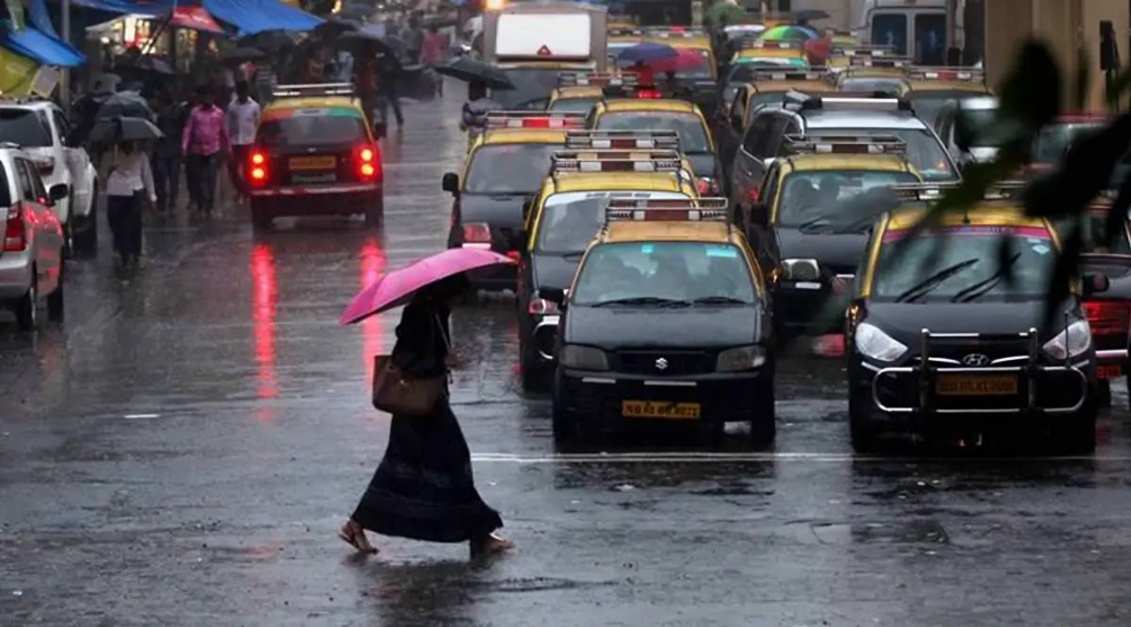
The India Meteorological Department has indicated that conditions are becoming favourable for the Southwest Monsoon to begin withdrawing from some parts of West Rajasthan around September 19, 2026. The development marks the beginning of the seasonal retreat of the Southwest Monsoon from mainland India, although rainfall activity is expected to continue across several parts of the country.
According to the latest IMD bulletin, atmospheric conditions are becoming favourable for the monsoon to withdraw from some parts of West Rajasthan around September 19. The withdrawal is expected to begin from the northwest and gradually progress to other parts of the country.
The expected withdrawal is slightly later than the normal withdrawal date for the Southwest Monsoon from northwest India. The IMD's assessment indicates that the retreat will be a gradual process rather than an immediate end to monsoon rainfall across the country.
The timing is important because the Southwest Monsoon remains the principal source of rainfall for large parts of India during the June to September season. Its withdrawal generally marks the transition towards a different weather pattern over northern and northwestern India.
However, the beginning of withdrawal does not mean that rain will stop immediately. Weather systems currently affecting different parts of the country are expected to continue producing rainfall, thunderstorms and strong winds in some areas.
The latest IMD analysis has pointed to an area of low pressure over the region around southeast Pakistan, Saurashtra and adjoining areas. Such systems can continue to generate rainfall over parts of western India even when the broader monsoon circulation is beginning to weaken.
This explains why forecasts can appear contradictory at first glance. One part of the weather bulletin can indicate that the monsoon is preparing to withdraw, while another part can warn of heavy or very heavy rainfall in particular regions. These developments can occur simultaneously because monsoon withdrawal is based on broader atmospheric conditions, while individual rain events can be driven by low pressure areas and other weather systems.
The IMD has also continued to monitor rainfall activity over Gujarat and neighbouring regions. Weather bulletins indicate that the low pressure system and associated circulation are influencing rainfall conditions in parts of western India.
For residents, the important point is that monsoon withdrawal should not be interpreted as an immediate end to rainfall. Localised heavy rain can continue even after the withdrawal process begins. Weather conditions can also vary considerably from one district to another.
The expected September 19 development concerns some parts of West Rajasthan. It does not mean that the Southwest Monsoon will withdraw from the entire country on that date. The withdrawal normally progresses in stages, with different regions experiencing the transition at different times.
The IMD's terminology is also significant. The department has said that conditions are becoming favourable for withdrawal, rather than announcing that the monsoon has already withdrawn. This distinction is important because the actual withdrawal is determined after assessing a combination of atmospheric and rainfall conditions.
The expected retreat from West Rajasthan is therefore a forecast of an upcoming change in the monsoon pattern. Further bulletins will determine the subsequent progress of the withdrawal and identify additional areas from which the monsoon retreats.
At the same time, rainfall warnings remain important for areas currently under active weather systems. Heavy rain can result in waterlogging, reduced visibility, traffic disruptions and localised flooding, particularly in vulnerable locations.
The situation also highlights the complexity of India's September weather. September is generally the final month of the Southwest Monsoon season, but the transition does not occur uniformly across the country. While the northwest can begin moving towards drier conditions, other regions can continue to experience significant rainfall.
According to the Indian Express report on the latest IMD assessment, rainfall activity is expected to continue across parts of northwest India even as withdrawal approaches. The report noted that rainfall was expected in areas including Jammu and Kashmir, Haryana, Chandigarh, Delhi and Punjab through September 18, while Rajasthan could also continue to experience rain during the transition.
The rainfall situation in 2026 has also been uneven. The Indian Express reported that the country had recorded a rainfall deficit during the season, with several regions experiencing below-normal rainfall. The regional variation means that the withdrawal of the monsoon could have different implications for different states and agricultural areas.
For farmers, the timing of the monsoon withdrawal is important because rainfall during September can influence soil moisture, standing crops and water availability. However, the impact will depend on local rainfall patterns rather than the withdrawal date alone.
The monsoon's retreat also has implications for temperatures and humidity. As the monsoon circulation weakens and drier air begins to enter northwestern India, weather conditions in those regions can gradually become less humid. The transition is usually followed by a change in temperature patterns over northern India.
The current weather situation demonstrates why a monsoon withdrawal forecast and a heavy rainfall warning should not be viewed as mutually exclusive. The withdrawal describes the gradual seasonal movement of the monsoon system, while heavy rainfall warnings refer to specific weather systems operating over particular areas.
The IMD continues to monitor these systems and updates its forecasts as atmospheric conditions change. Residents in areas under rainfall warnings are advised to follow the latest local weather advisories issued by the meteorological authorities.
The expected withdrawal around September 19 also comes after a delayed and uneven monsoon season in several parts of the country. According to the Financial Express, the Southwest Monsoon began over Kerala on June 4 and subsequently covered the country by July 9. The report also noted that rainfall remained below normal in several regions during the season.
The withdrawal will eventually progress beyond West Rajasthan, but the exact timing for each subsequent region will depend on prevailing atmospheric conditions. Therefore, September 19 should be viewed as the possible beginning of the withdrawal process rather than the date on which the monsoon will end across India.
The latest IMD bulletin provides a clear indication that the monsoon season is entering its final phase. At the same time, the continuing presence of low pressure systems means that rainfall and thunderstorms remain possible in several regions.
For the public, the immediate focus should therefore remain on local weather warnings rather than assuming that the arrival of the withdrawal phase means an end to rain. Heavy rainfall can still occur during the transition period, and conditions can change quickly.
The overall weather picture is therefore one of transition. The Southwest Monsoon is showing signs of beginning its retreat from parts of West Rajasthan around September 19, while active rainfall systems continue to affect parts of western and northern India.
The IMD's latest assessment will be followed by further bulletins that are expected to provide updates on the progress of withdrawal and rainfall conditions. The timing and geographical spread of the retreat will depend on how atmospheric conditions evolve over the coming days.
For now, the main development is that the IMD has identified September 19 as a likely starting point for the withdrawal of the Southwest Monsoon from some parts of West Rajasthan. This does not signal an immediate end to rainfall elsewhere, with several areas continuing to face active weather conditions.