The Supreme Court Collegium, headed by Chief Justice of India Surya Kant, has recommended the appointment of new Chief Justices for four High Courts, including the Rajasthan High Court. The recommendations cover the Rajasthan, Madhya Pradesh, Jammu and Kashmir, and Chhattisgarh High Courts.
The five member Collegium considered the appointments as part of the process of filling key judicial leadership positions in the High Courts. One of the most closely watched recommendations is that of Justice Sanjay K Agrawal of the Chhattisgarh High Court for appointment as Chief Justice of the Rajasthan High Court.
The recommendation comes at a time when the Rajasthan High Court has been facing developments concerning its judicial administration. Justice S P Sharma, who was serving as Acting Chief Justice of the Rajasthan High Court, recused himself from judicial work following allegations concerning his integrity.
The allegations should be understood as allegations and not as established findings. No conclusion regarding the integrity or conduct of a judge should be drawn solely from claims made in correspondence or public reports unless supported by a competent judicial or institutional finding.
The issue gained attention after Justice Sandeep Mehta, a judge of the Supreme Court, reportedly wrote three letters to Chief Justice Surya Kant within a period of two weeks. According to reports, Justice Mehta sought the appointment of a regular Chief Justice for the Rajasthan High Court.
The correspondence reportedly added to concerns surrounding the functioning of the Rajasthan High Court. The matter subsequently developed further when advocates at the High Court were reported to have raised slogans against Acting Chief Justice S P Sharma.
Following these developments, Justice Sharma recused himself from judicial work. The recusal became another significant development in the controversy surrounding the administration of the High Court.
The Collegium subsequently recommended Justice Sanjay K Agrawal for appointment as Chief Justice of the Rajasthan High Court. The recommendation is part of the constitutional process for appointing Chief Justices and judges to the higher judiciary.
A Collegium recommendation, however, is not the final appointment. Recommendations made by the Supreme Court Collegium are processed by the Union government before the formal appointment is notified. Therefore, the recommendation of Justice Agrawal should be distinguished from an officially completed appointment.
Justice Sanjay K Agrawal has been serving in the Chhattisgarh High Court. His proposed elevation to the Rajasthan High Court would place him at the head of one of the country's major High Courts.
The Collegium has also recommended appointments concerning three other High Courts. The recommendations for Madhya Pradesh, Jammu and Kashmir, and Chhattisgarh are part of the broader effort to fill or regularise leadership positions in the higher judiciary.
The appointment of regular Chief Justices is important for the administrative functioning of High Courts. Chief Justices are responsible for the overall administration of their respective courts, including allocation of judicial work and constitution of benches, subject to established judicial procedures.
High Courts also play a critical role in India's judicial system. They exercise constitutional jurisdiction, hear appeals and supervise subordinate courts within their respective jurisdictions. The leadership of each High Court therefore has significant administrative and judicial importance.
The developments in Rajasthan have attracted particular attention because of the circumstances preceding the Collegium's recommendation. The reported letters from Justice Sandeep Mehta, the advocates' protest and the recusal of Acting Chief Justice S P Sharma occurred within a relatively short period.
However, the individual developments need to be reported separately. A judge's recusal does not by itself establish wrongdoing, and allegations made in correspondence do not constitute a judicial finding.
The Supreme Court Collegium's recommendation is also distinct from any disciplinary or investigative process. The Collegium's role in recommending judicial appointments is part of the system through which senior judicial appointments are considered.
The controversy has nevertheless highlighted the importance of transparency, judicial independence and institutional confidence in the higher judiciary. The functioning of High Courts depends not only on judicial decisions but also on public confidence in the integrity and independence of the judicial process.
The appointment of a regular Chief Justice can also provide administrative continuity. Acting Chief Justices generally perform the functions of the office while a permanent appointment is pending. A regular appointment provides a longer-term leadership structure for the court.
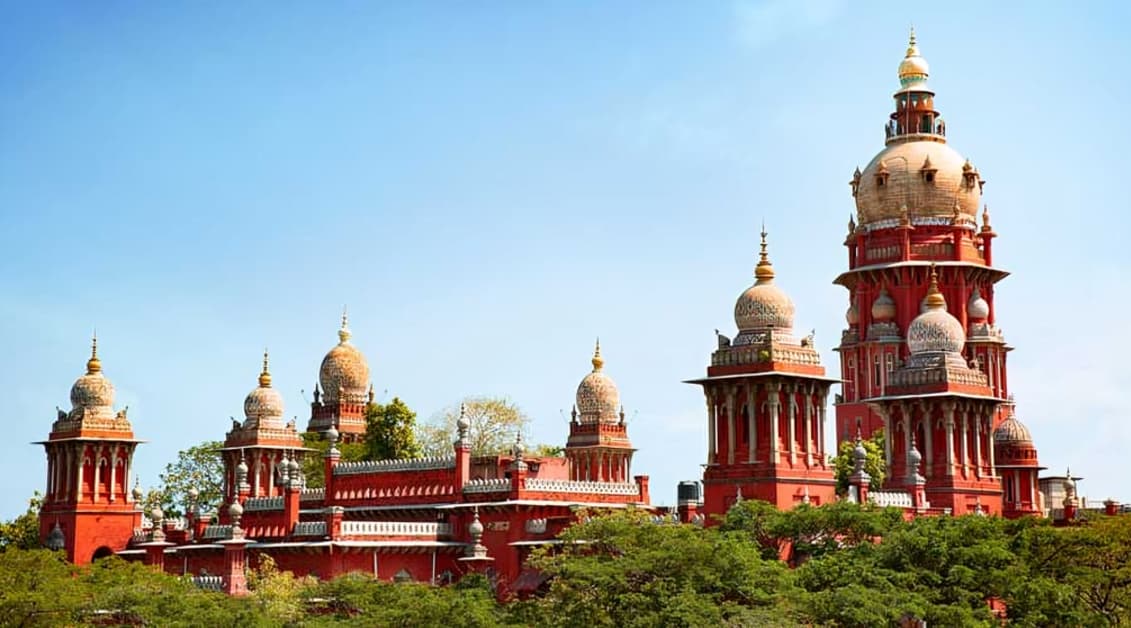
The Rajasthan High Court is an important constitutional institution with jurisdiction over the state of Rajasthan. It deals with a wide range of civil, criminal and constitutional matters and oversees the subordinate judiciary in the state.
Justice Sanjay K Agrawal's recommendation will now move through the next stages of the appointment process. The final appointment will depend on the completion of the required governmental procedures and issuance of the formal notification.
The recommendations for the other High Courts will similarly proceed through the established process. Until the appointments are formally notified, the judges concerned should be described as recommended candidates rather than confirmed Chief Justices.
The developments also demonstrate the role played by the Supreme Court Collegium in determining judicial appointments. The Collegium comprises senior Supreme Court judges and considers factors including seniority, suitability, experience and the administrative requirements of the judiciary.
The current recommendations are therefore significant not only for the individual High Courts but also for the broader functioning of India's judicial system.
The Rajasthan controversy is likely to remain under scrutiny because of the unusual sequence of events involving correspondence from a Supreme Court judge, demonstrations by advocates and the Acting Chief Justice's recusal from judicial work.
At the same time, responsible reporting requires a clear distinction between allegations and verified facts. The allegations concerning Justice Sharma's integrity have not, in themselves, established any finding of misconduct.
The immediate development is the Collegium's recommendation of Justice Sanjay K Agrawal as the next Chief Justice of the Rajasthan High Court. The recommendation follows the recent developments involving the court's Acting Chief Justice and calls for the appointment of a regular Chief Justice.
The Collegium has also recommended new Chief Justices for the Madhya Pradesh, Jammu and Kashmir, and Chhattisgarh High Courts. These recommendations are expected to go through the established appointment process.
The final outcome will depend on the subsequent stages of consideration by the Union government and the formal appointment notifications.
Until that process is completed, the Collegium recommendations remain recommendations rather than final appointments. The developments will be closely watched by the legal community because of their implications for the administration and leadership of the four High Courts.
The latest developments therefore combine an important judicial appointments process with an ongoing controversy surrounding the Rajasthan High Court. The focus now is on the completion of the appointment process and the future administrative leadership of the concerned High Courts.