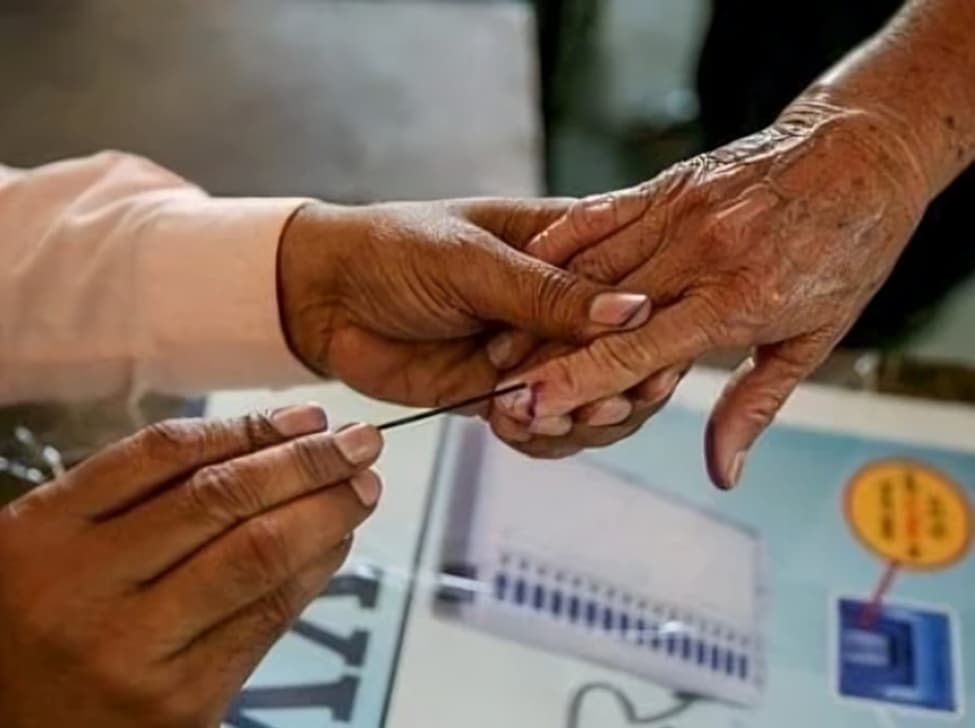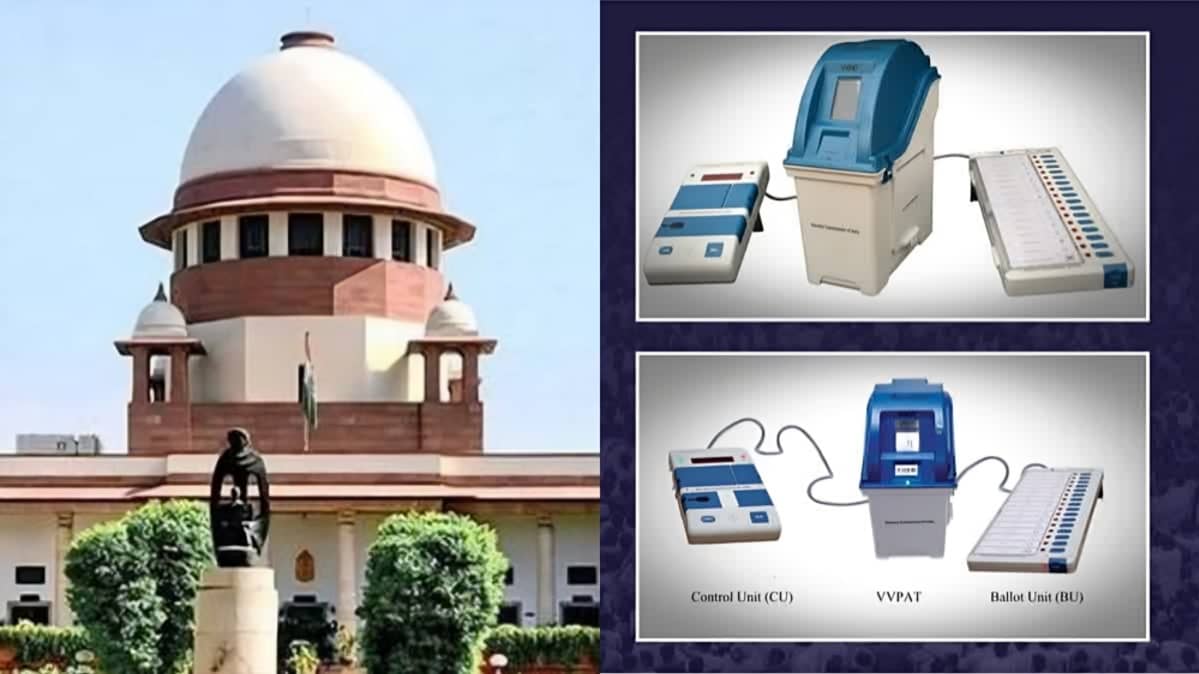
The Supreme Court has asked the Central government to examine the possibility of introducing totaliser machines for counting votes recorded through Electronic Voting Machines. The proposed mechanism is intended to strengthen the secrecy of voting by preventing the identification of voting patterns at individual polling stations.
The matter was considered by a bench comprising Chief Justice of India Surya Kant and Justices Joymalya Bagchi and V Mohana. The court was hearing a petition seeking the introduction of totaliser machines in the election counting process. The judges asked the Union government to examine whether the system could be implemented and whether changes to existing election rules would be required.
A totaliser is designed to combine votes recorded by several EVMs before the results are displayed. Under the existing system, votes are counted at individual polling stations, allowing the number of votes received by each candidate at a particular booth to be identified. A totaliser would instead provide an aggregated result for a group of polling stations.
The primary argument in favour of such a system is voter privacy. If booth level results are available, political parties and candidates can potentially analyse the voting preferences of particular localities. Supporters of totalisers argue that this information could create concerns about voters being identified, pressured or subjected to adverse treatment after an election.
The Supreme Court has therefore asked the Centre to consider whether the proposed system can provide additional protection to voters without affecting the transparency and reliability of the election process. The court has also sought examination of possible impediments and negative consequences associated with introducing the technology.
The Election Commission of India has supported the broader objective of maintaining voter anonymity. However, the poll panel has pointed to several practical and legal issues that would need to be addressed before totalisers could be introduced.
One of the important concerns relates to the verification of election results. At present, candidates and their polling agents receive Form 17C, which records the number of votes polled at each polling station. These records can be used to cross check the results during the counting process. If votes from several polling stations are combined before counting, the existing method of booth wise verification could become more complicated.
The Election Commission has also indicated that introducing totalisers would require appropriate changes to the legal and regulatory framework governing elections. The court has asked the Centre to consider the relevant provisions of the Conduct of Elections Rules, including Rule 59A, and examine the recommendations made by the Law Commission regarding vote totalisation.
The issue of totalisers is not new in India's electoral system. The Election Commission had previously examined the technology as a way of protecting voting secrecy. The proposal has been discussed for several years in the context of preventing the disclosure of voting trends at individual polling stations.
The central question before the authorities is how to balance voter confidentiality with transparency in the counting process. Booth wise counting provides detailed information that can assist candidates and election officials in checking results. At the same time, supporters of totalisation argue that the same information could reveal the political preferences of particular areas.
The Supreme Court's latest intervention does not mean that totaliser machines have been approved for immediate use in elections. Instead, the court has asked the Central government to examine the proposal and identify the legal, technical and practical implications of introducing the system.
The Centre will therefore have to consider whether existing election laws and rules provide sufficient authority for such a system or whether amendments would be necessary. The government will also need to assess how totalisers could operate alongside existing safeguards, including Form 17C records and other verification procedures.
The Election Commission's concerns are significant because election counting requires mechanisms that allow candidates and their representatives to verify results. Any change that aggregates votes before the counting stage would need to ensure that the integrity of the process remains protected.
At the same time, voter secrecy is an important principle of democratic elections. The purpose of voting in a secret ballot is to ensure that voters can make their choices without fear of pressure, retaliation or discrimination. The totaliser proposal is being considered from this perspective.
The proposed system could be particularly relevant in constituencies where voting patterns differ sharply between neighbouring polling stations. Aggregating votes from multiple booths would make it more difficult to determine how a specific locality voted. Supporters believe this could reduce the possibility of political or social pressure being directed at voters based on their perceived voting preferences.
However, introducing such a mechanism would require careful consideration of the impact on election transparency. Candidates and their polling agents need reliable ways to verify the final results. The authorities will therefore have to determine whether a system can protect voter secrecy while retaining sufficient safeguards for independent verification.
The Supreme Court's request also brings renewed attention to the broader debate over electoral technology and election transparency in India. EVMs, VVPAT systems and counting procedures have been the subject of judicial and public scrutiny over the years. The totaliser proposal adds another dimension to this discussion by focusing specifically on the confidentiality of booth level voting patterns.
The Centre's examination is expected to consider the advantages and possible limitations of the proposed technology. It will also have to assess whether the existing legal framework can accommodate totalisers and whether additional safeguards would be necessary.
For voters, the central issue is whether their individual choices can remain confidential even after votes are counted. The proposed totaliser mechanism is designed to make it difficult to determine voting patterns at individual polling stations while still producing constituency level results.
For political parties and candidates, the challenge is ensuring that the new system does not weaken the ability to verify the accuracy of election results. The Election Commission has highlighted this concern while acknowledging the importance of voter anonymity.
The Supreme Court has not ordered the immediate deployment of totaliser machines across elections. Instead, it has asked the Centre to study the proposal, consider the relevant legal provisions and examine possible obstacles before taking a position.
The next steps will depend on the Centre's examination and the court's further consideration of the matter. Any eventual decision to introduce totalisers would likely require detailed rules governing how EVMs are grouped, how votes are aggregated and how candidates can independently verify the results.
The development is therefore significant for India's electoral system because it places voter privacy and counting transparency at the centre of the discussion. The Supreme Court's intervention could lead to further examination of whether totaliser machines can provide stronger protection for voter secrecy without reducing confidence in the counting process.