The Supreme Court has dismissed a petition seeking mandatory and uniform disclosure of the exact ethanol content in petrol sold at fuel stations across India. The plea also sought a requirement for petrol stations to mention the ethanol percentage on fuel invoices and receipts.
A bench comprising Justices M M Sundresh and Prasanna B Varale declined to entertain the petition. The Court, however, granted liberty to the petitioner to approach the competent High Court with the grievance. The order means that the Supreme Court has not issued any direction making ethanol-content labelling compulsory at petrol pumps.
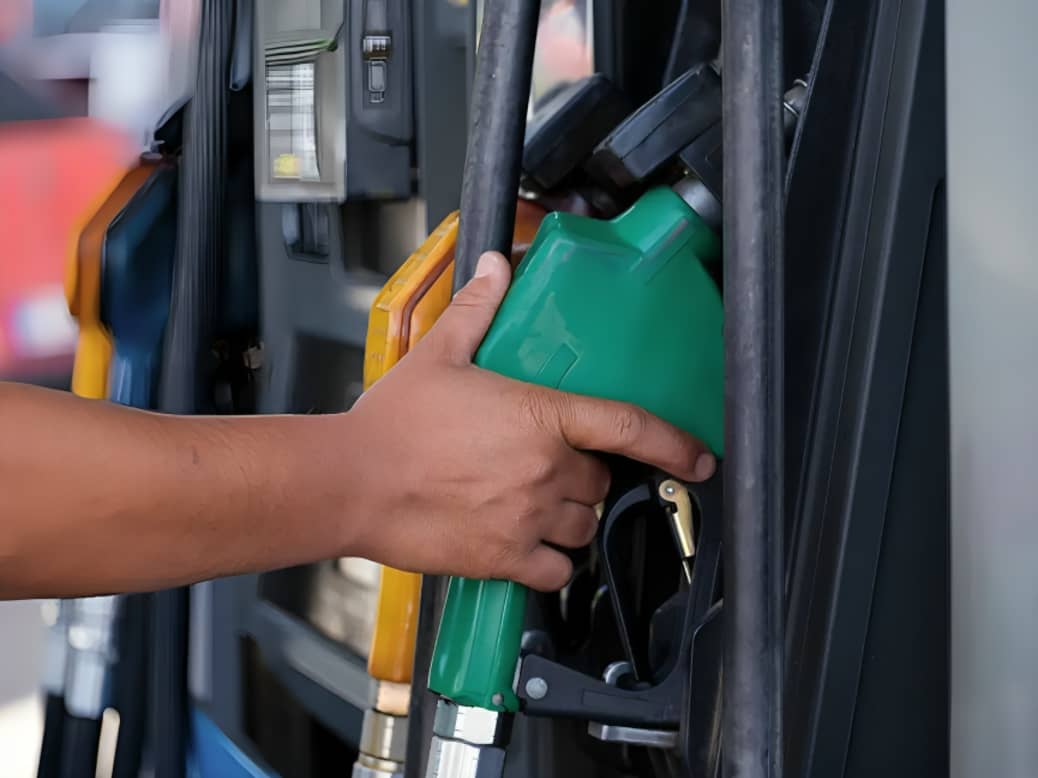
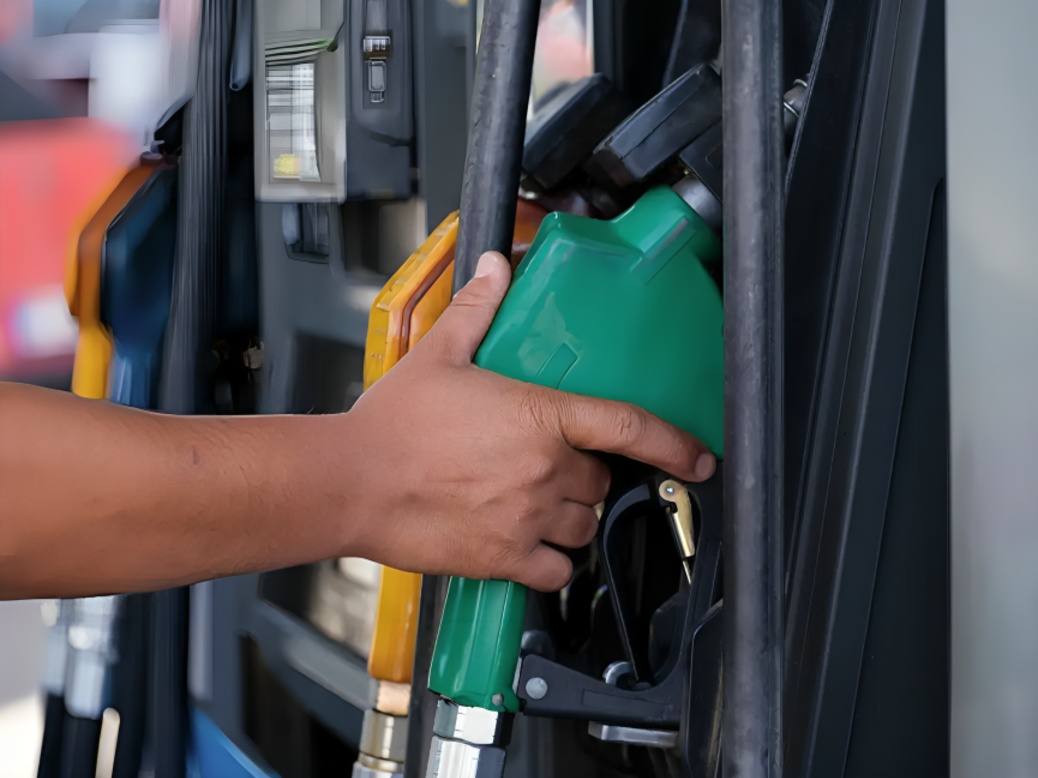
The petition was filed by advocate Narendra Kumar Goswami. It sought directions to the Centre and other authorities to introduce a uniform system under which every petrol dispensing nozzle would clearly display the precise percentage of ethanol blended with petrol.
The petitioner also sought mandatory disclosure of the ethanol content on fuel bills. The argument behind the request was that consumers should be provided with clear information about the composition of the fuel they purchase.
The plea was filed in the context of the increasing use of ethanol-blended petrol in India, including E20 petrol, which contains up to 20 percent ethanol. The petition raised questions regarding the compatibility of different ethanol blends with vehicles of various manufacturers, models, engine types and manufacturing years.
Among the other requests made in the petition was the creation of a publicly accessible database showing vehicle-wise compatibility with different ethanol blends. Such a database, according to the petition, would allow vehicle owners to check whether their vehicles are suitable for specific fuel blends.
The petitioner had also sought the formation of an independent expert committee to examine the real-world effects of E20 fuel. The proposed committee was to include representatives from relevant government ministries, the Bureau of Indian Standards and independent automobile experts.
The petition raised several issues for examination, including the possible effect of E20 fuel on fuel efficiency, engine longevity, maintenance costs, vehicle warranties and insurance-related matters. It also sought examination of environmental concerns associated with ethanol production and blending.
Another request was for the government to develop a national consumer disclosure protocol for ethanol-blended petrol. The petitioner sought greater transparency so that consumers could obtain consistent information at fuel stations across the country.
The plea also asked authorities to publish relevant technical studies, vehicle compatibility reports, safety standards, consumer advisories and other documents connected with the implementation of ethanol-blended petrol.
A further issue raised in the petition concerned older vehicles. The petitioner sought a transparent transition framework for vehicles that may not be compatible with higher ethanol blends. The plea suggested examining the availability of lower-ethanol petrol for legacy or non-compatible vehicles wherever feasible.
The Supreme Court's latest order does not decide the technical or policy questions raised in the petition. Instead, the Court declined to entertain the matter in its present form and permitted the petitioner to take the grievance before the appropriate High Court.
The development comes amid continuing public discussion over ethanol blending in petrol. India has been increasing ethanol blending as part of its broader energy policy, with the programme aimed at reducing dependence on imported crude oil and promoting domestic fuel alternatives.
The question of consumer information has gained importance as different vehicles may have been designed with different fuel specifications. Clear information about the ethanol content of petrol could help vehicle owners understand the fuel being purchased and compare it with their vehicle manufacturer's recommendations.
The original petition therefore combined a consumer-information demand with broader questions about vehicle compatibility, fuel efficiency, environmental impact and the transition to higher ethanol blends.
Before the Supreme Court hearing, the petition had been listed for consideration on August 31. Reports said the matter was brought before the bench of Justices M M Sundresh and Prasanna B Varale.
Following the Court's decision, there is currently no Supreme Court direction requiring petrol pumps across India to display the precise ethanol percentage on every dispensing nozzle or fuel receipt. Any further legal challenge or request for such disclosure would now have to proceed through the competent High Court or the appropriate administrative and policy channels.
The case has nevertheless drawn attention to the wider debate over transparency in fuel sales. Supporters of mandatory disclosure argue that consumers should have access to accurate information about the fuel composition, particularly as ethanol blending levels increase.
The issue is also relevant to vehicle owners with older models who may be seeking clearer information about compatibility with higher ethanol blends. However, questions concerning individual vehicle compatibility should be determined using manufacturer specifications and applicable official guidance rather than assumptions based solely on the ethanol percentage.
For now, the Supreme Court's position is limited to declining to entertain the petition and allowing the petitioner to pursue the matter before the competent High Court. The broader questions concerning ethanol labelling, vehicle compatibility and consumer disclosure remain open for consideration through the appropriate legal and policy mechanisms.