Several Asian governments are taking swift action to manage rising fuel costs as geopolitical tensions around the Strait of Hormuz continue to disrupt global energy markets. The situation has created uncertainty in financial markets and increased concerns about energy security across the region.
In Thailand, Prime Minister Anutin Charnvirakul has taken a symbolic step by arriving at the government house in an electric vehicle to promote fuel conservation. His government is currently considering reducing fuel taxes as part of a broader strategy to ease the burden of rising fuel prices on citizens. Officials believe that such measures can help control inflation and reduce economic stress on households.
South Korea is also responding to the crisis with urgency. Korean Air has announced that it will enter an emergency management phase starting April, focusing on cost efficiency to counter rising fuel expenses. The South Korean government is evaluating fiscal measures to stabilize the economy and protect key industries. President Lee Jae myung has emphasized the importance of strengthening the country’s response to energy disruptions, stating that the current crisis highlights the need for faster progress in energy transition.
The impact of the crisis has already been felt in financial markets. South Korea’s KOSPI index recorded a sharp decline, closing more than four percent lower amid investor concerns over rising energy costs and geopolitical instability. Analysts suggest that continued uncertainty could lead to further volatility in global and regional markets.
Meanwhile, Japan and Indonesia are working together to enhance energy security cooperation. Japanese Prime Minister Sanae Takeuchi recently hosted Indonesian President Prabowo Subianto in Tokyo for high level discussions. Both leaders agreed on the importance of strengthening coordination to ensure stable energy supplies and address potential disruptions.
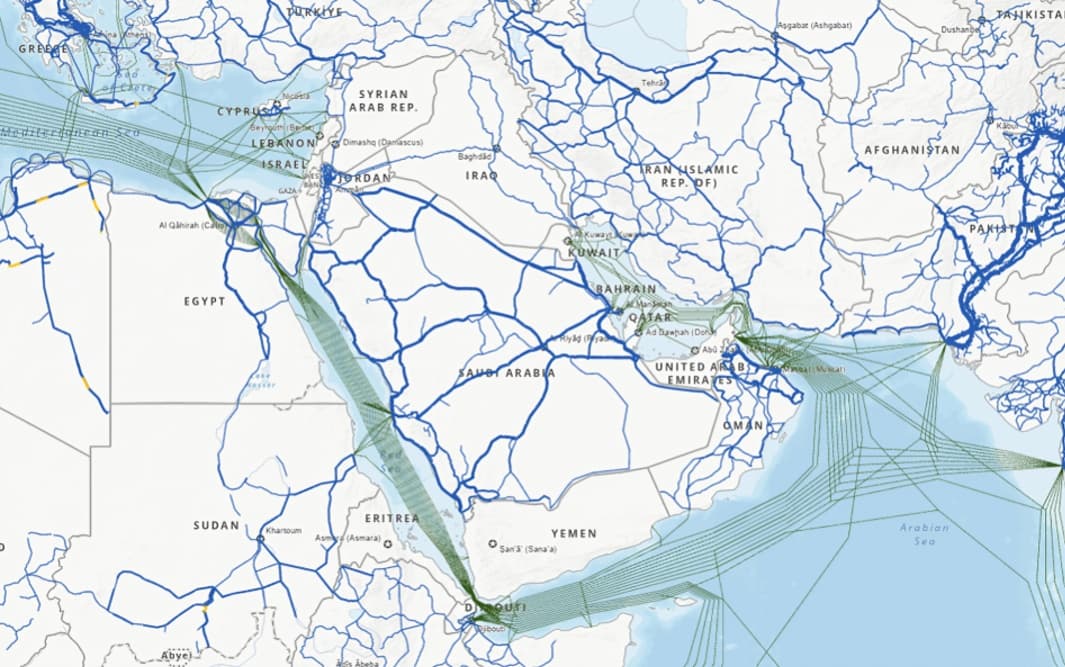
The Strait of Hormuz remains a critical route for global oil and gas shipments. Any disruption in this region has immediate consequences for energy dependent economies, particularly in Asia. With no clear resolution to the ongoing conflict in the Middle East, governments are focusing on minimizing economic damage and ensuring energy availability.
Experts warn that rising fuel costs could have a cascading effect on various sectors, including transportation, manufacturing, and aviation. Airlines, in particular, are expected to face significant challenges due to increased fuel expenses, which may lead to higher ticket prices for passengers.
Overall, the crisis has underscored the importance of energy diversification and long term planning. Policymakers across Asia are now balancing immediate economic relief measures with strategies to reduce dependence on traditional fuel sources. As the situation continues to evolve, governments are expected to remain vigilant and proactive in addressing both short term challenges and long term energy security concerns.