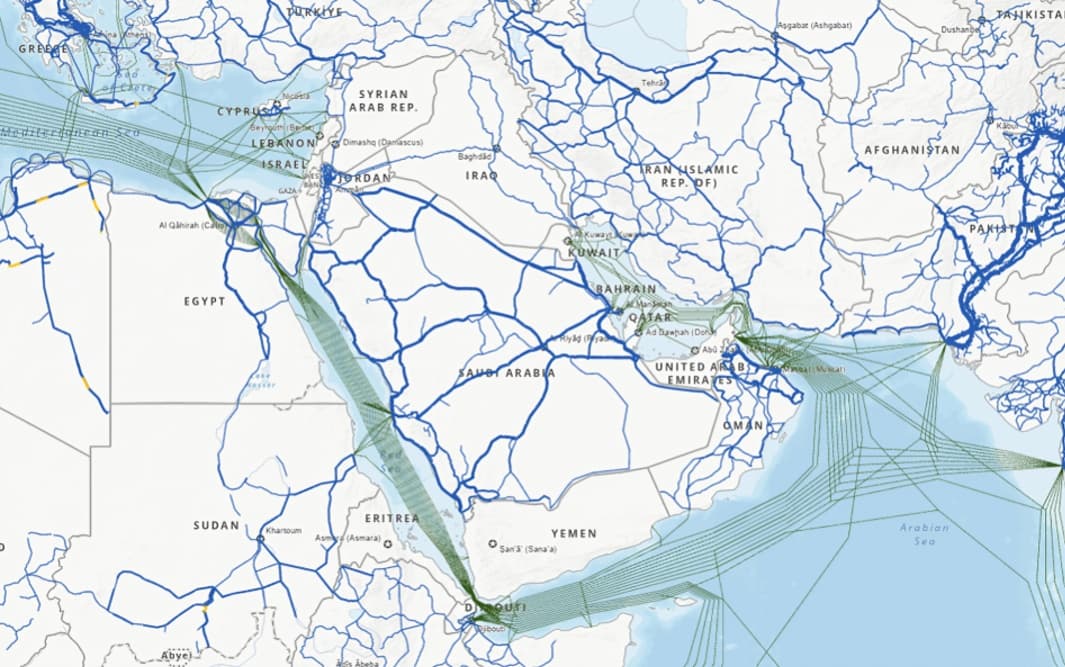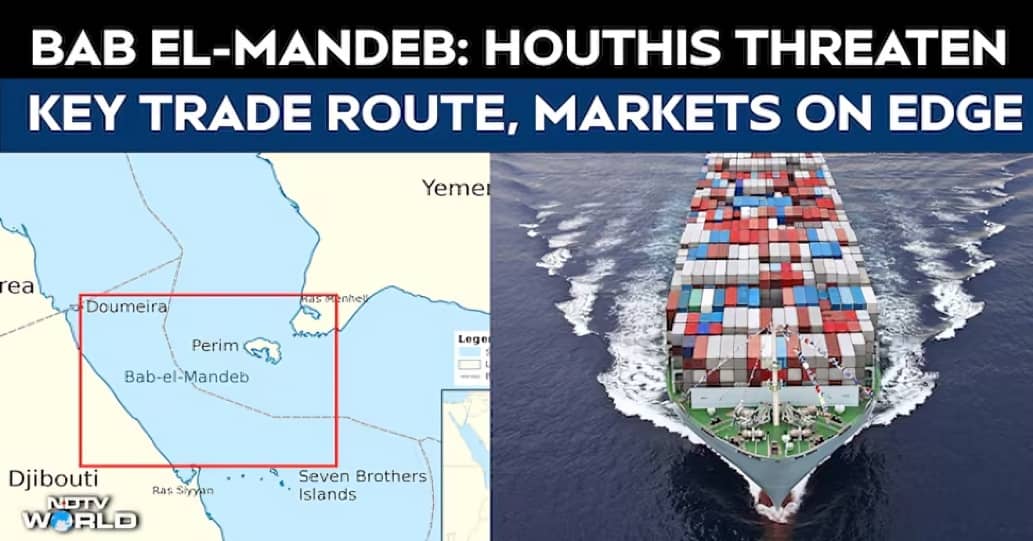
The Bab el-Mandeb Strait, located between Yemen on the Arabian Peninsula and Djibouti in the Horn of Africa, is one of the world’s most critical maritime chokepoints. It connects the Red Sea with the Gulf of Aden and provides access to the Suez Canal, a vital route for global trade. For India, the Strait is crucial as a significant portion of crude oil imports and container cargo passes through it on its way to domestic ports.
Amid escalating conflict in West Asia, particularly the ongoing tensions surrounding Iran, the Strait of Hormuz has faced restrictions, prompting increased reliance on the Bab el-Mandeb route. Saudi Arabia alone transports millions of barrels of crude oil daily through this channel to international markets, including India. Any blockage or closure of the Strait would directly affect energy security and trade flows.
The potential closure poses several challenges for India. Firstly, crude oil imports, which constitute a major portion of India’s import bill, could face delays or higher transportation costs if vessels are forced to reroute or wait for security assurances. Increased insurance premiums for ships navigating conflict-prone waters could further raise the cost of imports.
Secondly, general trade could be disrupted. Container ships carrying manufactured goods, electronics, and essential commodities often transit through this passage to reach India via the Suez Canal. Any disruption could delay shipments, affect supply chains, and increase shipping costs, with downstream effects on domestic prices and industries reliant on imported materials.
Experts note that global markets are closely monitoring these developments. A prolonged closure or security threat in the Bab el-Mandeb Strait could lead to price volatility in oil and commodities, which in turn may impact India’s inflation and current account deficit. Government agencies are likely assessing contingency plans, including alternative shipping routes and stockpiling critical energy supplies.
Historically, the Bab el-Mandeb Strait has been a flashpoint due to geopolitical instability in Yemen and the wider Horn of Africa region. The current situation highlights India’s vulnerability to maritime chokepoints and the importance of diversifying energy supply sources and strengthening strategic partnerships to ensure uninterrupted trade.
The Indian government and port authorities are reportedly keeping close track of shipping movements and working with global maritime organizations to ensure minimal disruption. Coordination with friendly nations for secure maritime navigation and enhanced naval patrolling is expected to be prioritized.
Analysts emphasize that while India continues to import a substantial portion of its energy and goods via maritime routes, the crisis underscores the need for robust risk management strategies, including alternative shipping corridors and domestic energy production incentives.
In conclusion, the closure of the Bab el-Mandeb Strait would have far-reaching implications for India’s trade, oil imports, and economic stability. Policymakers, industries, and shipping companies are monitoring the evolving situation closely to mitigate potential risks and maintain continuity in trade flows.