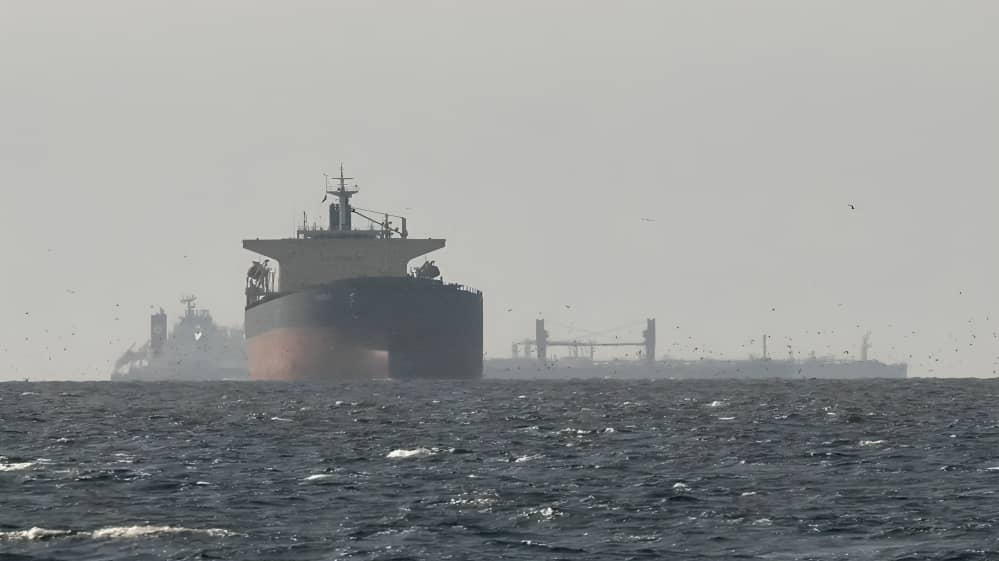
A significant development has been reported in global energy shipping routes as a liquefied natural gas LNG tanker crossed the Strait of Hormuz for the first time since the escalation of conflict involving Iran. The movement was identified through maritime ship tracking systems, which monitor international vessel activity in real time.
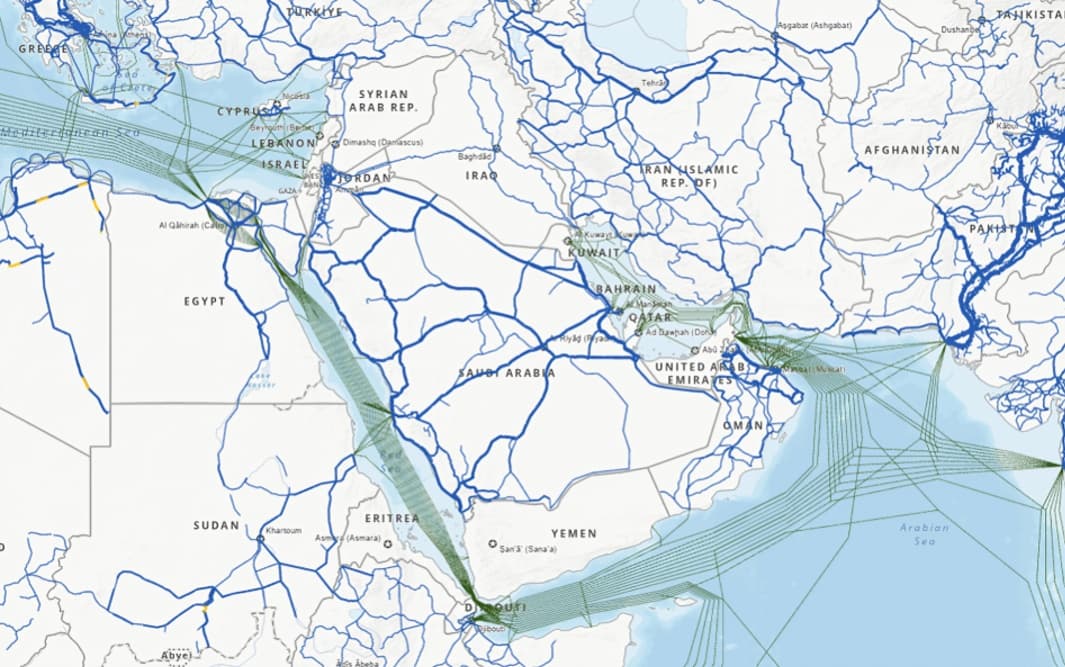
The Strait of Hormuz is one of the most critical chokepoints for global energy trade, connecting major oil and gas producing regions in the Middle East with international markets. Any disruption in this narrow waterway can have a direct impact on global energy supply chains and pricing.
According to tracking data, the LNG tanker successfully navigated through the region and continued its journey, later being spotted near the Indian coastline. This movement is being closely monitored by analysts, as it may indicate a gradual resumption of commercial shipping activity through the region after a period of heightened tension.
The passage of an LNG tanker is particularly important because liquefied natural gas is a key energy resource used by several countries for electricity generation and industrial purposes. Safe transit through the Strait is essential to ensure stable supply and prevent disruptions in energy markets.
Maritime security experts note that shipping activity in the Strait of Hormuz is often influenced by geopolitical conditions in the region. During periods of conflict or tension, commercial vessels typically reduce or suspend operations due to security risks. The recent movement suggests a possible easing of immediate risks or the implementation of safety measures for navigation.
India, which is one of the major importers of energy resources including LNG, closely tracks developments in the Strait of Hormuz. Any changes in shipping patterns through this route can have implications for domestic energy supply and pricing stability.
The appearance of the tanker near the Indian coastline after crossing the Strait further highlights the interconnected nature of global shipping routes. India relies on stable maritime corridors to meet its growing energy demands, making developments in this region highly relevant to its economic interests.
Experts caution that while the movement is significant, it does not necessarily indicate a full return to normal shipping conditions. The situation remains fluid, and continued monitoring is required to assess whether commercial traffic will increase in the coming days.
Shipping companies and energy traders are expected to watch the situation closely before making long term decisions regarding routing and supply chains. Insurance costs, security assessments, and regional stability will all play a role in determining future shipping activity through the Strait.
Overall, the transit of the LNG tanker through the Strait of Hormuz marks an important moment in global energy logistics. It reflects potential shifts in maritime activity following a period of conflict and highlights the strategic importance of maintaining secure international shipping routes.