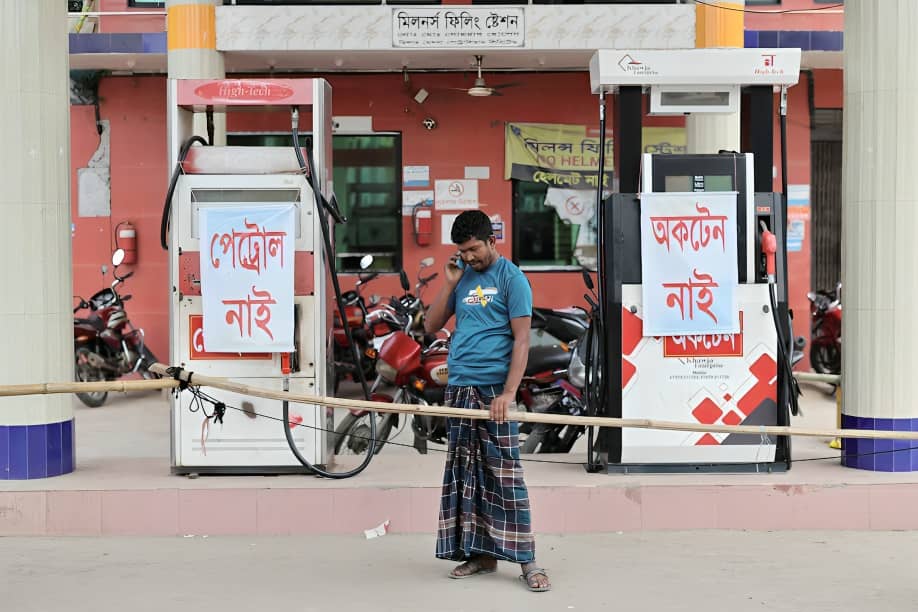
Bangladesh is currently experiencing a growing fuel shortage that is beginning to affect its critical river transport network, particularly in the capital city Dhaka. The situation has been triggered by global energy market disruptions linked to the ongoing geopolitical tensions involving Iran. As fuel supply tightens, the impact is being felt across transportation services, trade operations and daily life.
At the Shadargarh launch terminal in Dhaka, boat operators are struggling to maintain regular services due to limited diesel availability. Many vessels are receiving only a fraction of the fuel they require. This has forced operators to reduce the number of trips and, in some cases, run boats using a single engine to conserve fuel. As a result, passengers are facing longer waiting times and delays, while the transportation of goods has slowed significantly.
Smaller boat operators are among the worst affected. With rising fuel costs and limited availability, many are unable to continue operations, putting their livelihoods at risk. These small vessels play a crucial role in connecting remote areas and supporting local economies. The disruption in their services is creating a ripple effect that extends beyond transportation to impact trade and income generation.
The Bangladesh government has responded by introducing several energy saving measures to manage the crisis. These include shorter office hours, early closure of shops and a reduction in overall energy consumption by about 30 percent. While these steps aim to conserve fuel, they also reflect the seriousness of the situation.
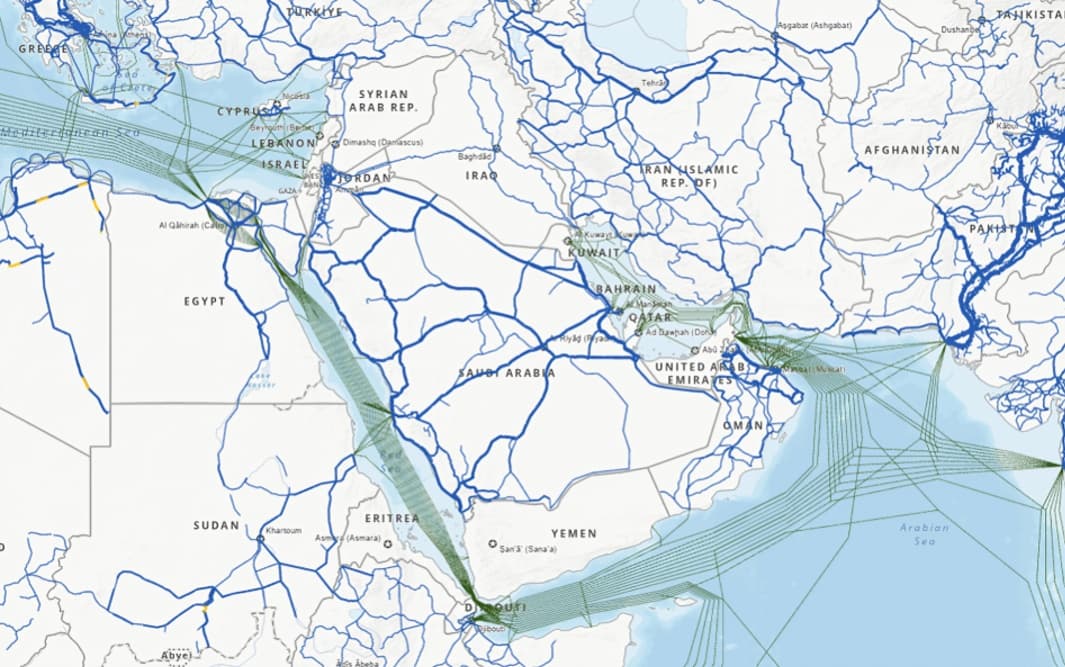
Bangladesh relies heavily on imported fuel, with approximately 95 percent of its energy needs met through imports. This dependence makes the country highly vulnerable to global oil price fluctuations and supply disruptions. The ongoing tensions in the Middle East have led to volatility in oil markets, pushing up prices and affecting supply chains.
The disruption of shipping routes, particularly around key global transit points, has further complicated the situation. Limited fuel supply is now affecting not only transportation but also the broader economy. The river network in Bangladesh serves as a lifeline, facilitating the movement of passengers, agricultural produce, raw materials and essential goods. Any slowdown in this system has wide ranging consequences.
Despite the challenges, river transport services are still operational, though at a reduced capacity. However, industry experts warn that if fuel supplies do not stabilize soon, the situation could worsen. Prolonged shortages may lead to suspension of services, increased costs and further economic strain.
The current crisis highlights the interconnected nature of global energy markets and the vulnerability of import dependent countries. As Bangladesh navigates this challenge, both government and industry stakeholders are closely monitoring developments in the global energy sector. The coming weeks will be crucial in determining whether the situation improves or continues to impact the country’s transport and economic stability.