Rising geopolitical tensions in the Middle East have prompted Gulf countries to reassess their reliance on the Strait of Hormuz, one of the most critical global energy corridors. The strait has long served as a key route for the transportation of oil and gas, connecting producers in the Gulf region to international markets. However, ongoing security concerns have led to discussions about alternative trade and logistics pathways.
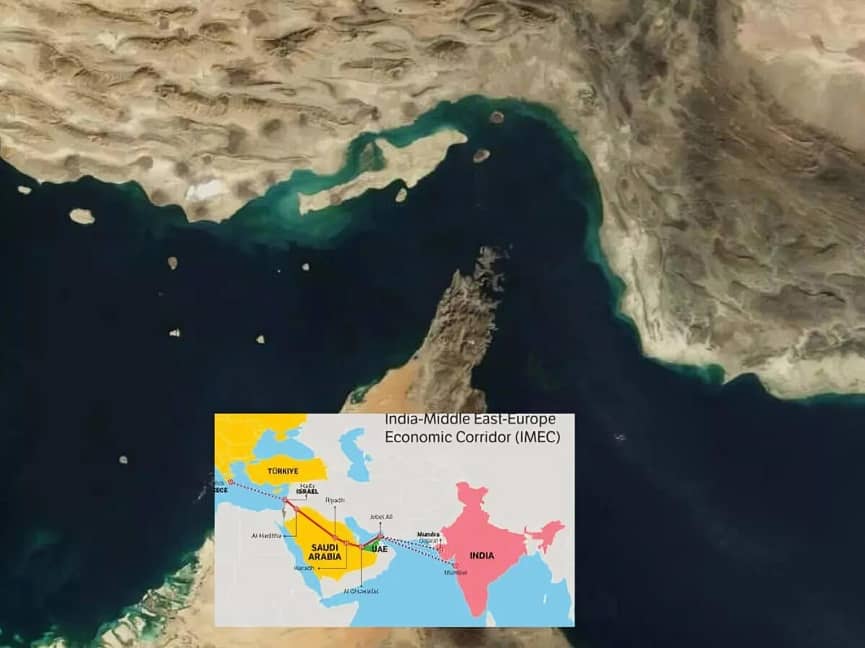
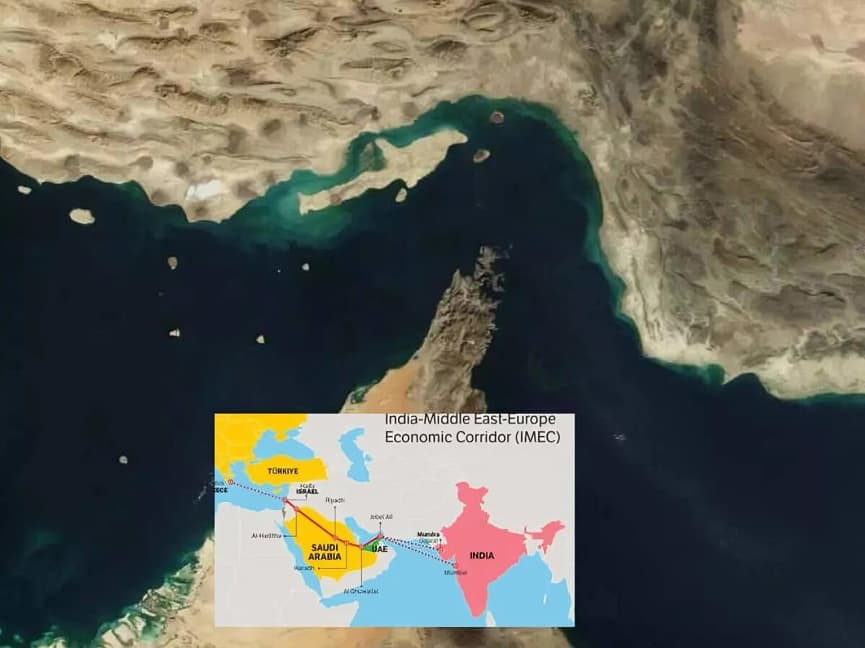
One of the emerging options under consideration is a route linked to NEOM, a large scale development project in Saudi Arabia. Positioned along the Red Sea, NEOM is envisioned as a hub for trade, technology, and infrastructure. Its location provides potential access to maritime routes that bypass the Strait of Hormuz, reducing exposure to geopolitical risks.
The current situation has highlighted the vulnerability of global supply chains to regional conflicts. Any disruption in the Strait of Hormuz can have significant implications for energy markets, as a large share of the world’s oil exports passes through this narrow passage. As a result, countries in the Gulf region are exploring ways to diversify their export routes and enhance resilience.
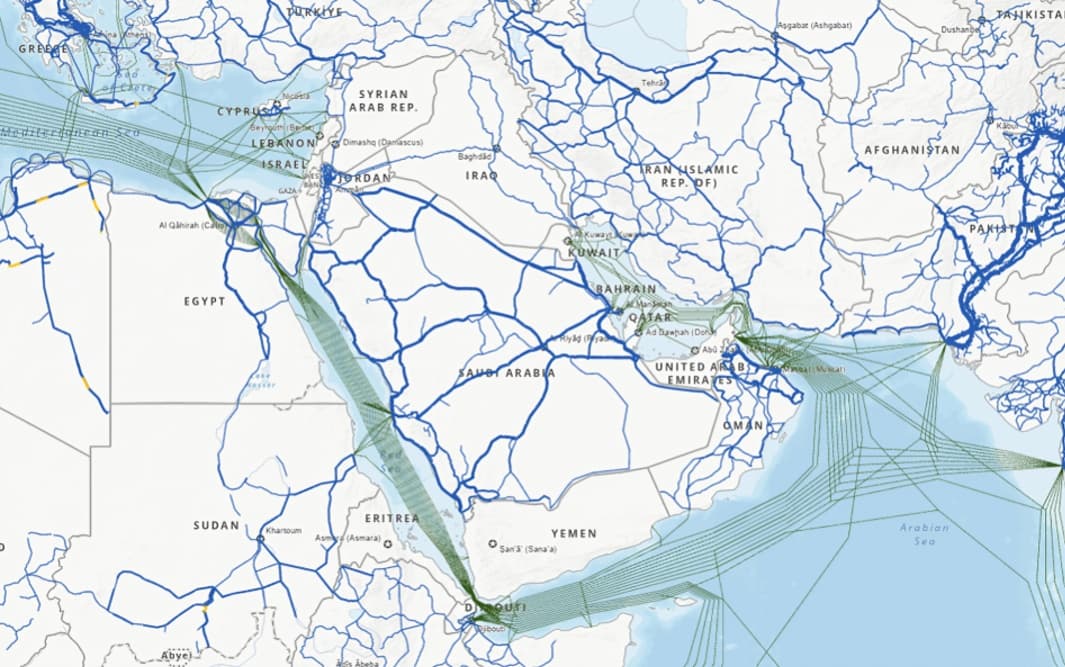
The proposed alternative routes could involve a combination of land and sea transport, connecting energy production areas to ports outside the Gulf. Such corridors would allow shipments to reach international markets without relying solely on the Strait of Hormuz. While these plans are still in development, they reflect a broader strategic shift in regional trade planning.
Saudi Arabia’s investment in NEOM is part of its long term economic diversification strategy. The project aims to create a modern infrastructure network that supports trade, logistics, and innovation. By integrating transportation systems and port facilities, NEOM could play a role in facilitating new trade routes.
Experts note that developing alternative corridors requires significant investment and coordination among countries. Infrastructure projects of this scale involve building pipelines, rail networks, and port facilities, as well as ensuring security and regulatory alignment. While the transition may take time, the long term benefits could include greater stability and flexibility in trade.
The move also reflects changing dynamics in global energy markets. As demand patterns evolve and new technologies emerge, countries are seeking to optimise their supply chains. Diversifying routes is seen as a way to reduce risks and maintain consistent supply to global markets.
At the same time, the Strait of Hormuz is likely to remain an important route for the foreseeable future. Its established infrastructure and capacity make it difficult to replace entirely. However, the development of alternative options could reduce dependence on a single corridor and provide additional security.
The situation underscores the importance of strategic planning in global trade and energy distribution. Countries are increasingly focusing on building resilient systems that can adapt to changing geopolitical conditions.
As discussions continue, the focus will be on how these proposed routes are implemented and the extent to which they reshape regional and global trade patterns in the coming years.