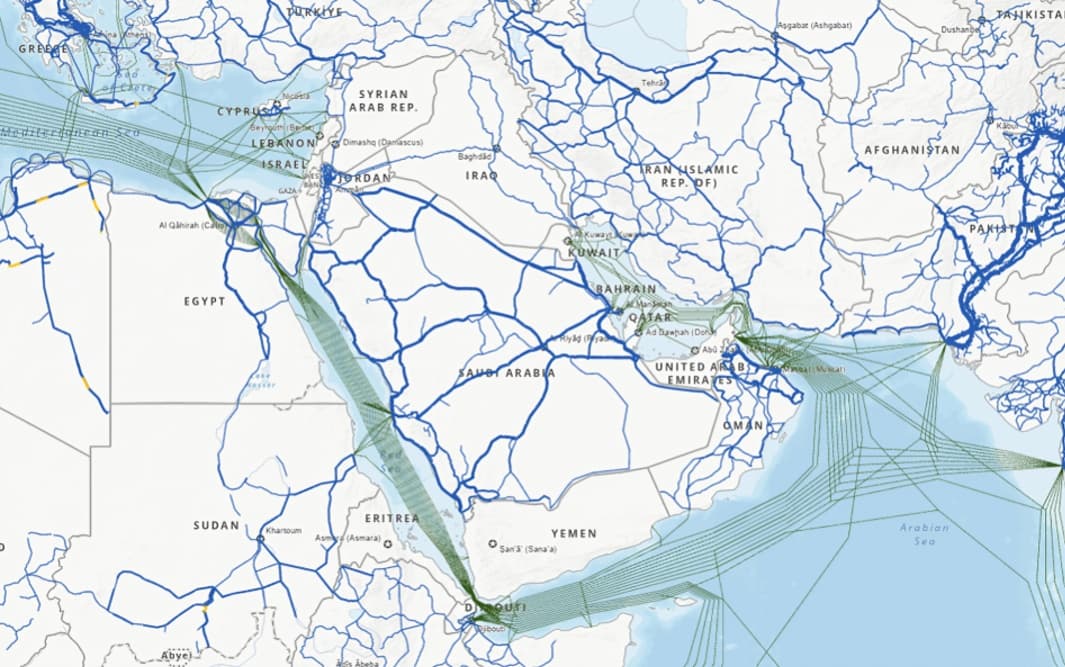
The possible reopening of the Strait of Hormuz after a temporary ceasefire announcement has brought cautious optimism to global energy markets. The development comes after assurances of safe passage for oil shipments, which is a key factor in maintaining global supply stability. However, despite these positive signals, experts indicate that immediate relief for countries like India may still take time.
The Strait of Hormuz is one of the most critical oil transit routes in the world, handling a large share of global crude exports. Disruptions in this region can quickly affect oil availability and prices, as seen in recent weeks. The closure and uncertainty surrounding the route led to supply chain disruptions, delays in shipments and a rise in global crude prices.
Although the ceasefire and reopening offer a pathway to stability, restoring normal supply operations is a gradual process. Oil shipments that were delayed or diverted during the disruption need to be rescheduled. Shipping companies, ports and refineries must realign their operations, which can take several weeks before supply levels return to normal.
India, being heavily dependent on imported crude oil, is particularly sensitive to such disruptions. The recent fuel crisis has already affected supply chains across sectors, increasing transportation costs and contributing to inflationary pressures. Even if oil begins to flow smoothly through the Strait of Hormuz, it may take time for these benefits to reach consumers in the form of lower fuel prices.
Another factor affecting the timeline for relief is existing inventory levels. Refineries and distributors may still be managing previously secured stock at higher prices. Until new shipments arrive and are processed, domestic fuel prices may continue to reflect earlier market conditions. This creates a lag between improvements in global supply and changes in local pricing.
Market sentiment also plays a significant role in determining oil prices. Even with the reopening of the Strait of Hormuz, uncertainty regarding the durability of the ceasefire could keep markets volatile. Traders and investors often react to geopolitical developments, which can influence price movements independently of physical supply changes.
Government measures may help mitigate the impact in the short term. Authorities can consider using strategic petroleum reserves, adjusting taxes or coordinating with international partners to ensure stable supply. Such steps can provide temporary relief while the broader market stabilizes.
The situation also highlights the interconnected nature of global supply chains. Disruptions in one region can have widespread effects, influencing not only energy markets but also economic activity across countries. For India, managing these challenges requires a combination of policy response and market adaptation.
Experts emphasize that while the reopening of the Strait of Hormuz is a positive step, sustained stability in the region is essential for long term relief. Temporary improvements may ease immediate concerns, but consistent supply and predictable market conditions are needed to ensure lasting benefits.
Overall, the current developments underline the complexity of global energy dynamics. While the reopening of a key shipping route offers hope, the timeline for relief depends on multiple factors, including logistics, market sentiment and policy responses. As the situation evolves, India and other energy importing nations will continue to monitor the impact closely.