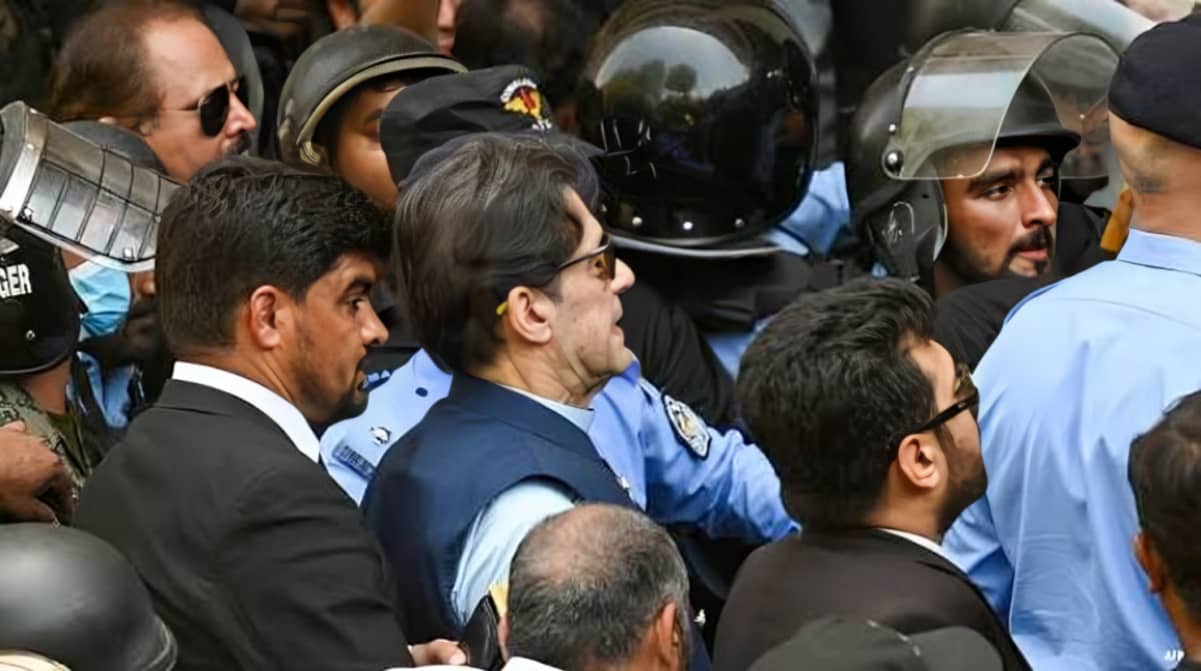
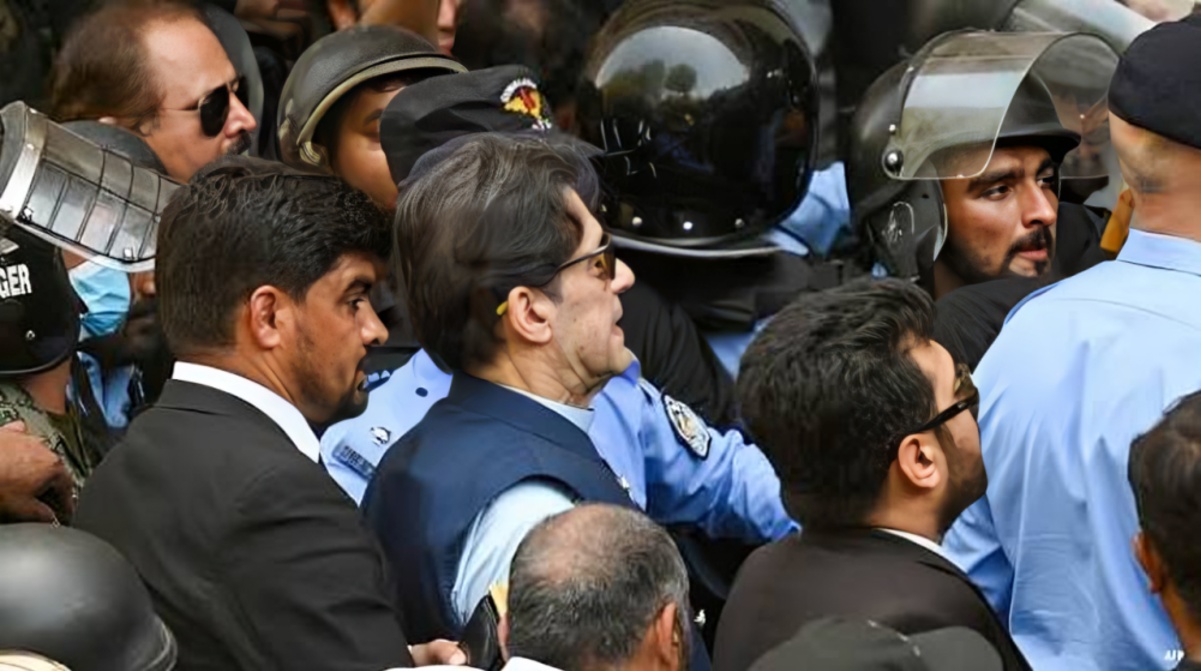
Former Pakistan Prime Minister and Pakistan Tehreek-e-Insaf leader Imran Khan was returned to Adiala Jail in Rawalpindi on Friday after undergoing a medical examination in Islamabad.
Khan was taken from prison to a hospital during the early hours of Friday following a directive from Pakistan’s Supreme Court. The court had ordered a detailed medical examination amid continuing concerns raised by Khan’s family, lawyers and political party regarding his health.
The former prime minister was examined by a team of doctors, including specialists. According to Pakistan’s Information Minister Attaullah Tarar, the medical team found Khan medically fit and determined that he could continue to remain in prison.
The medical visit followed a legal dispute over Khan’s access to specialised healthcare. His family and lawyers had sought medical attention from doctors of their choice, particularly amid concerns about his eyesight and other health issues.
Pakistan’s Supreme Court had directed authorities to facilitate Khan’s medical examination at Shifa International Hospital in Islamabad. The order also included provisions relating to his personal physician and family contact.
Khan was subsequently taken out of Adiala Jail under heavy security. Reports said authorities changed aspects of the planned movement because of security concerns in Islamabad.
According to Reuters, Khan was initially taken to the Pakistan Institute of Medical Sciences for examination rather than being examined at the private facility specified in the court order. His Pakistan Tehreek-e-Insaf party criticised the handling of the transfer and argued that the court’s directions had not been fully followed.
The medical examination was conducted during the night and early morning hours. Following the assessment, Khan was transported back to Adiala Jail.
The Pakistani government said the medical team found him fit to remain in custody. The government’s position has been that prisoners should receive necessary medical treatment while remaining subject to applicable prison and security procedures.
The development has renewed attention on Khan’s health and his continued imprisonment.
Khan has been incarcerated since 2023 after facing multiple legal cases and convictions. His political party maintains that several cases against him are politically motivated, while Pakistani authorities have rejected those allegations.
Khan’s supporters have repeatedly raised concerns about his treatment in prison. His family and legal team have particularly highlighted problems relating to his eyesight and have sought access to specialised medical care.
The government, however, has stated that his medical condition is being monitored and that doctors have found no immediate health issue requiring continued hospitalisation.
The Supreme Court intervention came after months of disagreement over medical access and family visits. The court had also directed authorities to permit regular family contact with Khan.
The latest episode has created another point of tension between Khan’s Pakistan Tehreek-e-Insaf party and the Pakistani government.
The PTI has demanded greater transparency concerning Khan’s medical reports and the circumstances surrounding his transfer to and from the hospital. Party representatives have also continued to argue that Khan should receive appropriate medical treatment and access to his preferred doctors.
The government has maintained that it complied with the court’s directions while taking security considerations into account.
Security was a major factor surrounding Khan’s movement. Authorities deployed additional personnel around the hospital and along the route because of concerns about possible gatherings by his supporters.
Khan remains one of Pakistan’s most prominent political figures despite being imprisoned. His political influence continues to be significant, and developments concerning his health and legal status regularly attract public attention.
The former prime minister served as Pakistan’s prime minister from 2018 until 2022, when his government lost a no-confidence vote. He subsequently became the central figure of a major political movement through the PTI.
His imprisonment since 2023 has remained a major political issue in Pakistan. Supporters have repeatedly called for his release, while the government has defended the legal proceedings against him.
The current medical episode is therefore significant not only because of Khan’s health but also because of the broader political tensions surrounding his imprisonment.
The Supreme Court’s decision to order a medical examination followed persistent claims from Khan’s family and party that his health required closer attention. The court sought to ensure that the former prime minister received an appropriate medical assessment.
The medical team reportedly included an ophthalmologist, a cardiologist and a physician. Khan’s personal doctor was also involved in the assessment under the court’s directions. After the examination, authorities said there was no need for him to remain in hospital.
Khan was consequently returned to Adiala Jail.
The development has also raised questions about the treatment of prisoners with significant medical requirements. Pakistani officials have previously argued that special arrangements for one prisoner could create broader questions about equal treatment within the prison system.
The government had also indicated that necessary medical treatment would be provided if required.
At the same time, Khan’s party has continued to press for specialised medical care and greater access to independent medical professionals.
The disagreement highlights the continuing tension between security requirements, prison regulations and the medical rights of a high-profile political prisoner.
The circumstances surrounding Khan’s hospital visit are expected to remain a subject of political discussion in Pakistan.
His supporters have already criticised the decision to return him to prison after what they described as a brief medical evaluation. The government, on the other hand, has pointed to the doctors’ assessment that he was medically fit.
There has been no official indication that Khan requires emergency hospital treatment following the examination.
The latest development also comes as PTI continues to organise political activities demanding Khan’s release. Reports indicate that the party is planning a nationwide protest march on September 27.
The continued political mobilisation around Khan means that any development involving his health, imprisonment or court proceedings is likely to attract significant attention.
For now, Khan remains in Adiala Jail after the medical examination.
The key confirmed development is that the former prime minister was taken from prison for a court-directed medical assessment and subsequently returned to custody. The Pakistani government says doctors found him medically fit, while his party continues to question the handling of his medical care.
Further details about Khan’s medical condition and the complete findings of the examination may emerge through official statements or court proceedings.
Until then, claims about the severity of his health condition should be treated carefully, particularly because Khan’s party and the Pakistani government have presented different perspectives on his medical situation.
The episode has once again placed Imran Khan’s health, imprisonment and political future at the centre of Pakistan’s national debate.
For Khan’s supporters, the priority remains access to appropriate medical treatment and legal rights. For the authorities, maintaining security while complying with court directions remains a central concern.
The former prime minister’s return to Adiala Jail therefore marks the latest development in an ongoing legal and political dispute that continues to shape Pakistan’s political landscape.