India is significantly expanding its imports of Russian oil as it navigates ongoing disruptions in key global shipping routes, particularly the Strait of Hormuz. This shift reflects a broader strategy to secure energy supplies amid geopolitical uncertainties and fluctuating global markets. However, the journey of Russian oil to India has become increasingly complex, involving multiple routes, backup options, and higher logistical costs.
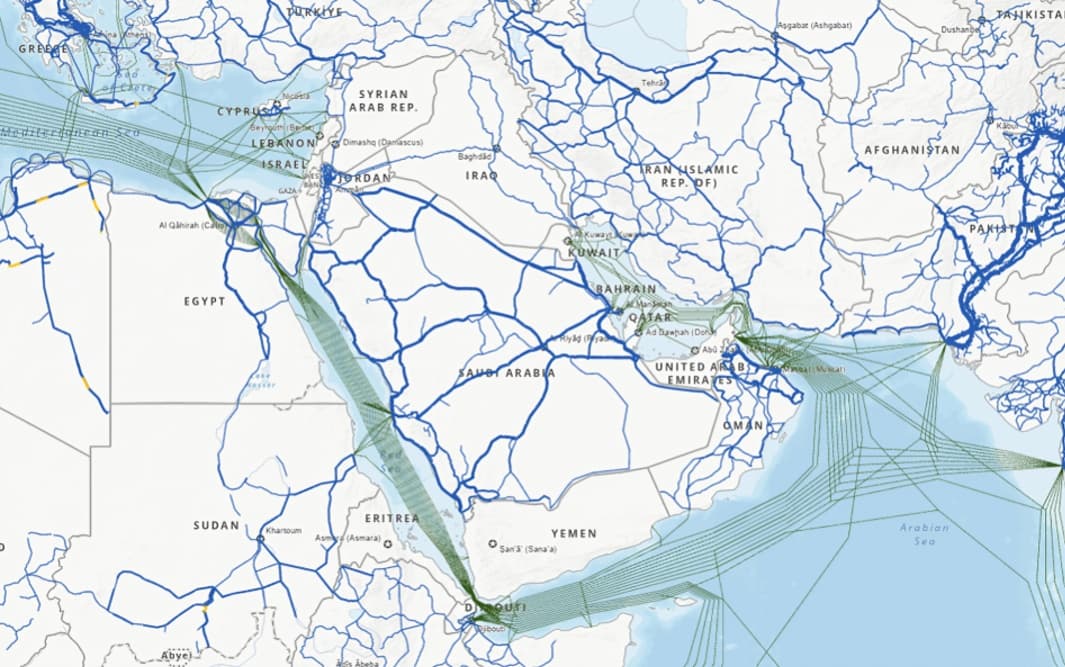
Traditionally, oil shipments to India from the Middle East pass through the Strait of Hormuz, one of the world’s busiest and most strategic maritime corridors. Recent tensions and disruptions in this region have prompted India to explore alternative supply routes. Russian oil has emerged as a viable option, offering both availability and competitive pricing, despite the longer distances involved.
There are primarily two main routes through which Russian oil reaches India. One route involves direct shipping from Russian ports, which can take several weeks due to the extended distance. The second route includes indirect transfers, where oil is transported through intermediary locations before being shipped to India. These methods often involve ship to ship transfers, adding another layer of complexity to the supply chain.
In addition to these primary routes, backup options are also being utilized to ensure uninterrupted supply. These include rerouting shipments through less congested maritime paths and relying on alternative ports. While these measures help maintain supply continuity, they also contribute to increased transportation time and higher costs.
The extended journey of oil shipments has financial implications for India. Longer routes mean higher fuel consumption for vessels, increased insurance costs, and additional logistical expenses. Despite these challenges, Indian refiners continue to import Russian oil due to its relatively lower base price compared to other sources. This balance between cost savings and logistical challenges is shaping India’s current energy strategy.
The evolving supply chain also highlights the growing importance of flexibility in energy procurement. India is adapting to a dynamic global environment by diversifying its sources and routes. This approach not only reduces dependency on a single region but also enhances resilience against potential disruptions.
Experts note that the shift towards Russian oil imports is part of a broader trend where countries are reconfiguring their energy supply networks in response to geopolitical developments. For India, ensuring a stable and affordable energy supply is critical for supporting economic growth and meeting domestic demand.
At the same time, the reliance on longer and more complex supply chains underscores the need for continued investment in infrastructure and logistics. Efficient port operations, storage facilities, and transportation networks will play a key role in managing these changes effectively.
As global energy dynamics continue to evolve, India’s approach to oil imports is likely to remain adaptive. The combination of alternative routes, backup strategies, and diversified sourcing reflects a pragmatic response to current challenges. While the journey of Russian oil to India may be longer and more complicated, it remains an essential component of the country’s efforts to secure its energy future.