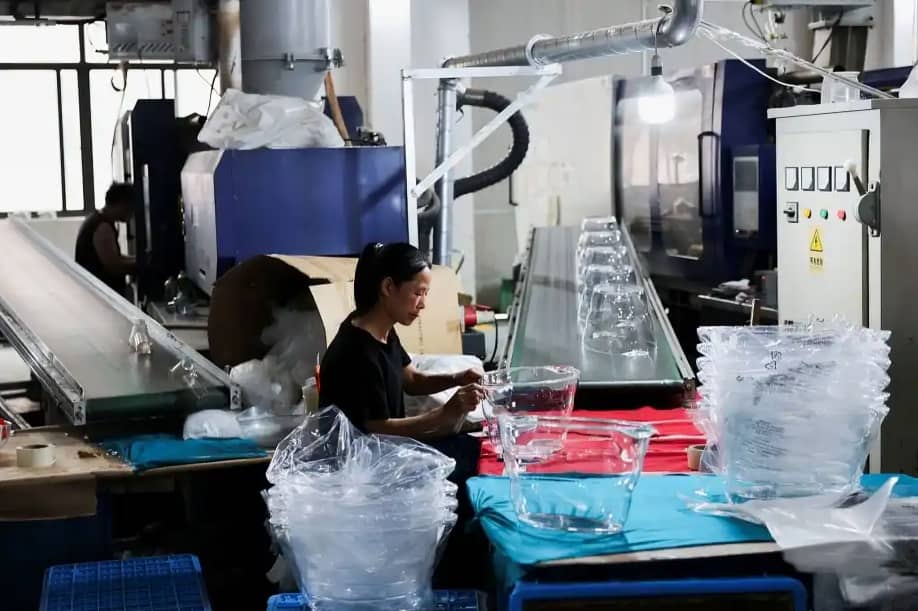

Global supply chains are experiencing fresh disruptions as geopolitical tensions involving Iran continue to impact energy markets and industrial production. One of the most visible effects is unfolding in Zhangmutou, widely known as the plastic capital of China. Located thousands of kilometers away from the Middle East, this major trading hub has witnessed panic buying and a sharp surge in prices following recent developments in the region.
Since early March, plastic prices in Zhangmutou have risen by nearly 60 percent. Local traders report that prices are continuing to climb daily, driven by uncertainty in the global energy market. The root cause of this surge lies in the heavy dependence of plastic production on oil and gas. More than 99 percent of plastic products are derived from petrochemicals, making the industry highly sensitive to fluctuations in crude oil and natural gas prices.
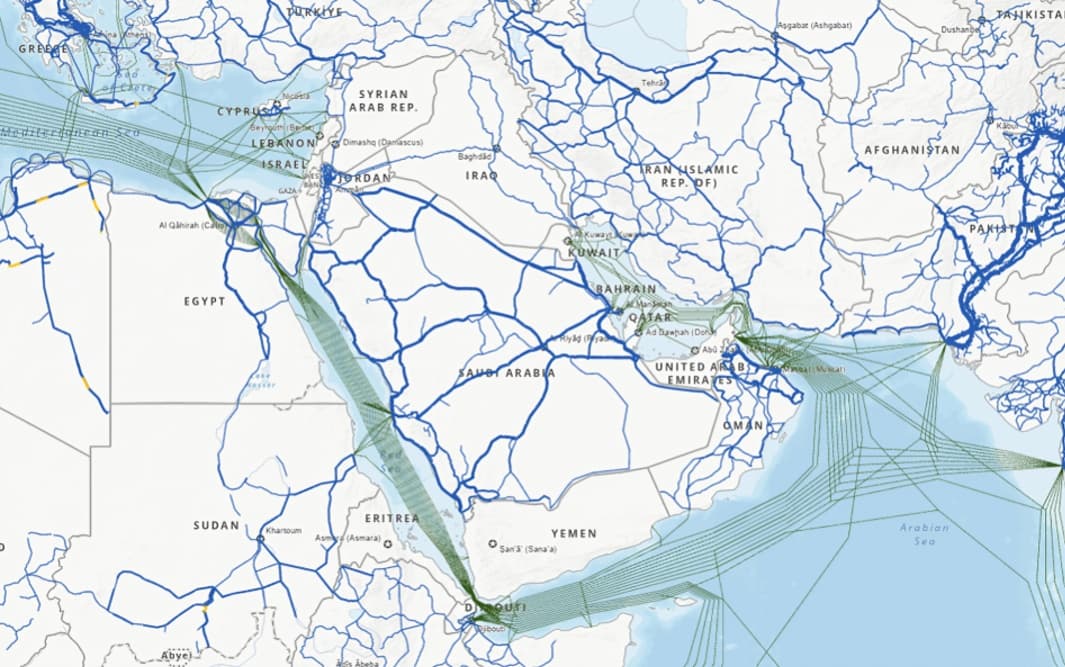
The conflict involving Iran has significantly disrupted shipping routes, particularly through the Strait of Hormuz, a crucial global energy corridor. Nearly 20 percent of the world’s oil and gas shipments pass through this narrow waterway. Any disruption in this region has immediate consequences for countries heavily reliant on energy imports. China, for instance, sources nearly half of its oil and gas from the Middle East, making it particularly vulnerable to such disruptions.
As fuel prices rise, transportation costs have also increased sharply. This has added further pressure on the plastic supply chain, from raw material procurement to finished product distribution. Traders in Zhangmutou have reported severe congestion in recent weeks, with traffic jams stretching up to 15 kilometers and warehouses operating at full capacity. Many buyers have rushed to stockpile materials in anticipation of further price increases, intensifying the demand surge.
Industry participants say that existing inventories have already been depleted, forcing businesses to purchase raw materials at significantly higher market prices. These increased costs are now being passed down the supply chain, affecting manufacturers and eventually end consumers. Given the widespread use of plastics in everyday products such as packaging, electronics, textiles, construction materials and medical equipment, the impact is expected to be broad and far reaching.
Experts believe that unless tensions in the Middle East ease, price volatility will continue in the coming months. The situation highlights the interconnected nature of global markets, where a conflict in one region can influence industries worldwide. Consumers across different countries may soon experience higher prices for a wide range of goods due to rising production and logistics costs.
Overall, the developments in Zhangmutou reflect a larger global trend where geopolitical instability is directly affecting industrial supply chains. Businesses and policymakers are closely monitoring the situation as it continues to evolve, with concerns over inflation and economic stability growing in many parts of the world.