New Delhi
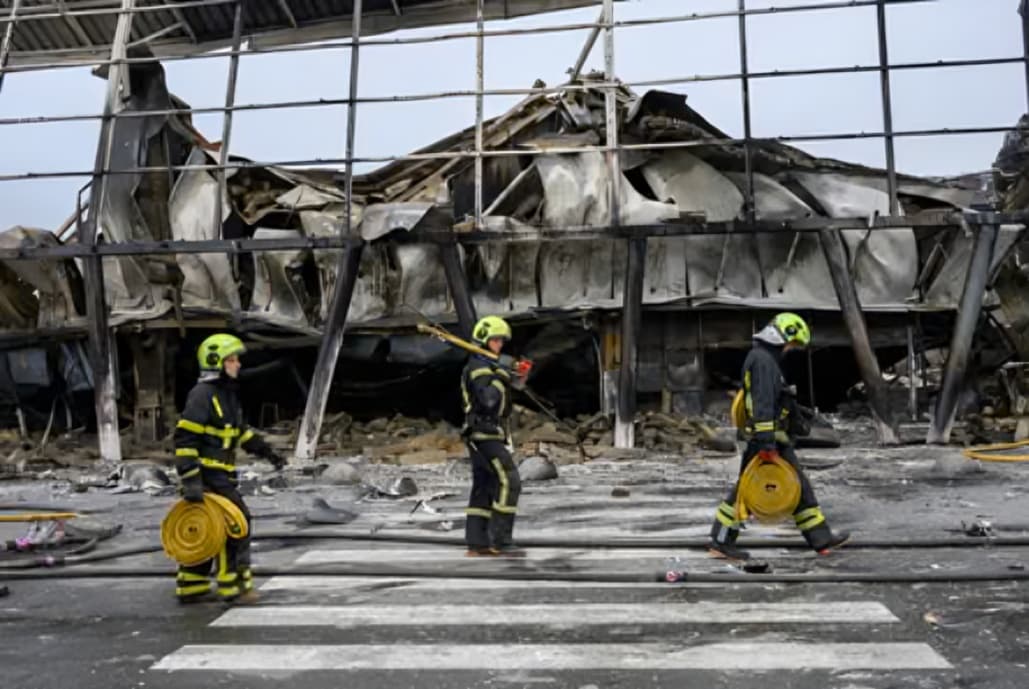
Tensions in the Middle East escalated further after Iran carried out a missile strike on the Ras Laffan liquefied natural gas (LNG) facility in Qatar, one of the world’s largest energy production hubs. The attack has forced a halt to operations at the plant, raising concerns about the stability of global oil and gas markets.
Ras Laffan is a critical node in international energy trade, supplying LNG to Europe, Asia, and other regions. Any disruption in output from the facility can create ripple effects, affecting LNG availability and pricing across major import-dependent countries, including India.
Energy analysts note that India imports a significant portion of its LNG requirements to meet industrial, power generation, and domestic demand. The disruption in Qatar could lead to higher LNG prices, potentially increasing import bills and putting pressure on domestic energy costs.
The strike comes at a time of heightened geopolitical uncertainty in West Asia, following recent conflicts and sanctions affecting the region. Market participants are closely monitoring the situation, as even short-term production halts in strategic hubs like Ras Laffan can cause price volatility in international energy markets.
Global LNG traders are assessing alternative supply sources, but logistics challenges and limited immediate capacity make swift replacements difficult. Experts caution that sustained disruption could trigger a shortfall in supply during peak demand periods, especially in the northern hemisphere where energy consumption is rising.
The Iranian missile strike underscores the vulnerability of critical energy infrastructure to geopolitical risks. Countries relying on imported LNG may need to revise procurement strategies and explore storage or alternate supplier arrangements to mitigate potential shortages.
In India, policymakers and energy companies are likely to keep close watch on LNG shipment schedules and contract obligations. Any significant rise in import prices could affect industrial production, electricity tariffs, and the broader economy.
The Ras Laffan facility plays a key role in Qatar’s economy as well, contributing substantially to the country’s export revenue. Recovery and repair operations are expected to take several weeks, depending on the extent of damage and ongoing security concerns.
Analysts emphasize that the incident highlights the importance of diversification in energy sourcing. Countries are increasingly looking at multiple suppliers and long-term contracts to reduce exposure to geopolitical risks, especially in regions prone to conflict.
While the immediate impact is on LNG supply and pricing, the broader lesson for global energy markets is the continuing need to balance demand, strategic reserves, and geopolitical risk management.