
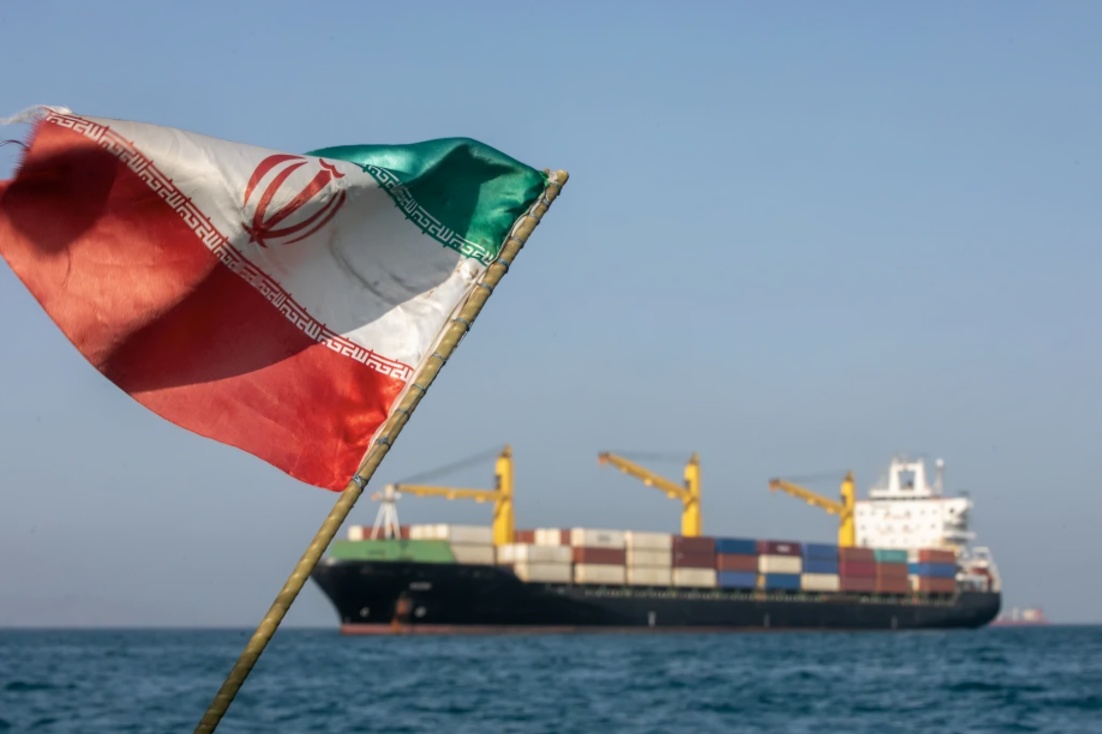
Iran has moved toward introducing tougher domestic penalties for vessels that violate its proposed transit regulations in the Strait of Hormuz, one of the world’s most strategically important maritime routes.
Iran’s Parliament National Security and Foreign Policy Commission has approved Articles 13, 14 and 15 of a proposed bill titled the Strategic Action to Ensure Security and Development of the Strait of Hormuz. The provisions include the possible confiscation of 20 percent of a violating vessel’s cargo or an equivalent amount based on the financial value of the cargo. Authorities would also have the power to temporarily detain the vessel until the relevant penalties and fines are paid.
The proposal was reported by Iran’s state media through Hassan Ghashghavi, spokesperson for the Parliament’s National Security and Foreign Policy Commission. The measures are part of a wider effort by Tehran to establish a formal regulatory framework for navigation through the Strait of Hormuz.
Under the proposed Article 13, vessels that fail to comply with Iranian transit regulations could face penalties under Iran’s Islamic Penal Code in addition to the proposed cargo seizure. The provision would allow authorities to confiscate 20 percent of the cargo or obtain an equivalent financial value. The vessel itself could be held temporarily until the required penalties are paid.
The proposed legislation also includes provisions for a specialised judicial mechanism. According to the reported details, Iran’s Judiciary would establish specialised court branches to deal with cases arising from the proposed law. These branches would include judges and experts with knowledge of maritime law and international law relating to the sea.
The parliamentary committee has also proposed penalties for individuals and legal entities whose actions or negligence prevent, delay or incompletely implement the provisions of the proposed law. Such violations could attract Grade 5 penalties under Iran’s Islamic Penal Code, according to reports citing Iranian officials.
The latest proposal comes against the backdrop of continuing tensions surrounding the Strait of Hormuz. The waterway connects the Persian Gulf with the Gulf of Oman and is a major route for international energy shipments. Restrictions on navigation through the strait have therefore attracted attention from governments, shipping companies, energy markets and maritime insurers.
Iran has already introduced measures targeting vessels it says have violated its transit rules. In August, Iran’s Persian Gulf Strait Authority warned that vessels failing to comply with its requirements could face fines, detention or seizure during subsequent crossings. The authority also advised companies transporting cargo to or from the Gulf to check an updated list of vessels accused of violating Iranian protocols.
Earlier in September, an Iranian maritime organisation reportedly placed 77 vessels on a non-compliance list. The vessels could face restrictions on future passage, including possible fines, detention or confiscation. The authority also warned insurance companies, protection and indemnity clubs and classification societies about providing services to vessels appearing on the list.
The proposed 20 percent cargo seizure provision would represent a further formalisation of Iran’s approach to enforcing its own transit requirements. However, the measure is currently a proposed legislative provision approved by a parliamentary committee and should not be described as an already implemented law.
The timing of the proposal is also significant because Tehran and Washington remain involved in a wider dispute over security and navigation arrangements in the region. Iran has linked the reopening of the Strait of Hormuz to conditions it has presented during discussions with the United States. Recent reports said indirect diplomatic contacts between Iran and the United States have continued, with the status of the waterway remaining an important issue in negotiations.
Iranian officials have said that the Strait of Hormuz will remain subject to Tehran’s conditions. On September 20, Iranian Parliament Speaker Mohammad Bagher Qalibaf said the waterway would not return to its previous operating arrangements until Iran’s conditions and what Tehran described as US commitments were addressed.
At the same time, international governments have expressed concerns about freedom of navigation. The European Union previously announced restrictive measures against individuals and an entity connected with actions it said threatened freedom of navigation in the Strait of Hormuz. The EU stated that such actions raised concerns under international law and established rights relating to transit and innocent passage through international straits.
For shipping companies, the proposed rules could increase the importance of checking Iranian transit requirements before vessels enter or cross the waterway. Potential cargo seizure, detention, fines and restrictions could have implications for voyage planning, insurance arrangements, freight costs and delivery schedules if the proposed legislation becomes law and is enforced.
The situation is also relevant to India because Indian companies and vessels are connected to international trade routes passing through the Persian Gulf region. A report by NewsDrum noted that Indian-flagged vessels were not specifically targeted by the proposed measure, but tighter Iranian transit requirements could potentially increase compliance, insurance and supply-related costs if the legislation is enacted.
The Strait of Hormuz remains particularly important to global energy markets because large quantities of oil and other energy products normally pass through the waterway. Any prolonged disruption can affect shipping routes, freight costs, insurance premiums and energy supply chains.
Recent shipping data has already shown a sharp reduction in vessel movements through the strait. Reuters reported that only two commodity vessels crossed the Strait of Hormuz on September 21, compared with 10 the previous day and a pre-conflict average of about 125 large commercial vessels per day. Reuters also noted that the data may not capture vessels operating with their automatic identification systems switched off.
The proposed Iranian legislation therefore comes at a time when the waterway is already facing significant geopolitical and commercial pressure. The 20 percent cargo seizure provision, if ultimately enacted, would add another layer of regulatory and legal risk for vessels that Tehran considers non-compliant.
The proposal still needs to proceed through Iran’s legislative process before it can become enforceable law. Its eventual wording, implementation mechanism and interaction with international maritime law will determine how it affects commercial shipping.
For now, the key development is that an Iranian parliamentary committee has approved provisions proposing the seizure of 20 percent of cargo or its equivalent value, along with temporary detention of vessels that violate Tehran’s proposed transit rules. The measure highlights the continuing importance of the Strait of Hormuz in Iran’s security policy and in the wider diplomatic dispute involving the United States.