
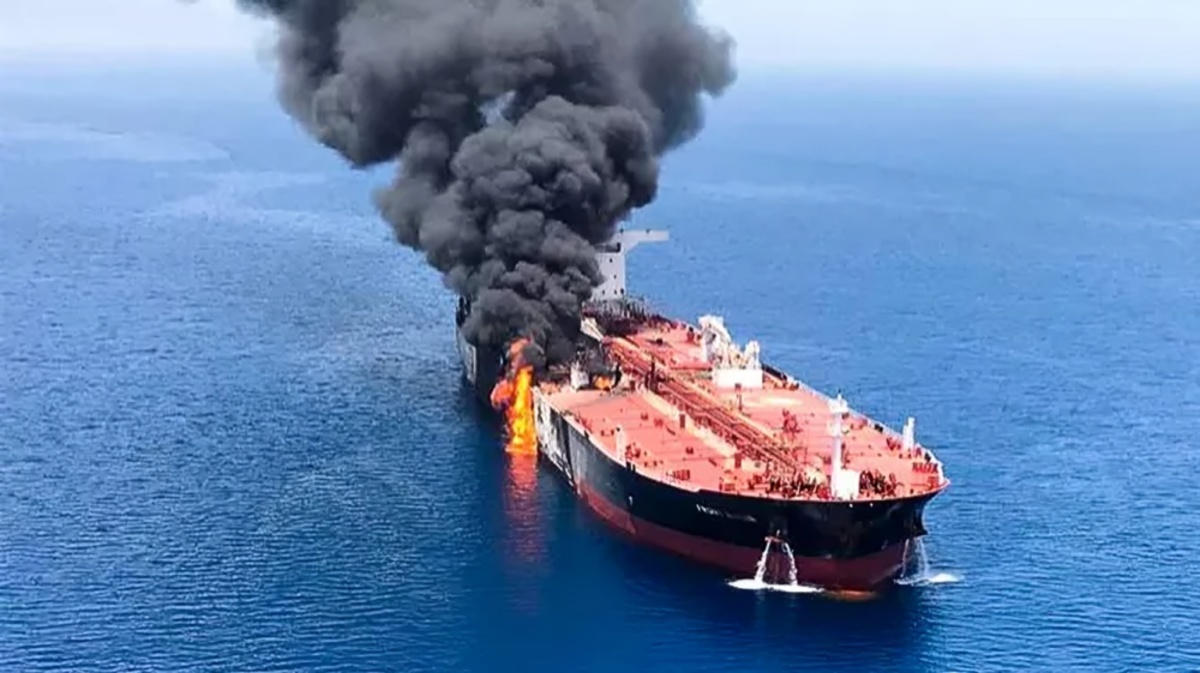
Iran’s Islamic Revolutionary Guard Corps Navy has said it struck and stopped a Togo flagged oil tanker in the Strait of Hormuz after accusing the vessel of attempting to pass through the strategic waterway without authorization.
The tanker was identified by Iranian authorities as the Trend. According to a statement issued by the IRGC Navy and reported by Iranian state media, the vessel attempted what Iran described as an illegal passage through the Strait of Hormuz during the night. The IRGC said the tanker was struck and subsequently stopped after a fire broke out onboard.
Iranian authorities alleged that the tanker had been encouraged or influenced by the United States to attempt the passage. This allegation was made by IRGC Navy Commander Rear Admiral Ali Ozmaei in the statement. The Iranian military did not provide independent evidence to support the allegation concerning US involvement.
The incident highlights the continuing tensions surrounding the Strait of Hormuz, one of the world’s most important maritime routes for energy transportation. The waterway connects the Persian Gulf with the Gulf of Oman and the wider Arabian Sea. Disruptions to shipping through the strait can have significant consequences for international oil and gas markets.
The IRGC Navy said it continues to maintain control over the waterway and warned commercial vessels against attempting to cross through routes that Iran considers unauthorized. Iranian officials have repeatedly stated that ships must follow designated procedures and obtain the necessary authorization before attempting to transit the area.
Following the reported incident involving the Trend, the IRGC issued another warning concerning vessels attempting unauthorized passage. The Iranian force said such attempts could result in serious consequences for the vessels involved.
However, several important details about the incident remain unclear. Iranian authorities have not provided detailed information about the tanker’s cargo, the number and condition of crew members, the extent of any damage or the exact location of the incident within the Strait of Hormuz.
There was also no immediate independent confirmation of the reported strike. The Associated Press reported that it could not immediately confirm Iran’s account. Anadolu Agency and other reports similarly noted that the information about the incident was based primarily on statements from Iranian authorities and state media.
The reported incident comes amid continuing restrictions and heightened military tensions in and around the Strait of Hormuz. Iran has asserted control over maritime traffic in the waterway during the ongoing regional conflict. The United States, meanwhile, has been involved in efforts to assist commercial vessels navigating the region amid security concerns.
The Strait of Hormuz is particularly important to global energy markets because a substantial share of internationally traded oil and liquefied natural gas traditionally passes through the waterway. Any prolonged disruption could affect shipping costs, insurance rates, energy supplies and international oil prices.
The reported attack on the Trend therefore has significance beyond the individual tanker. Shipping companies and governments monitoring the region are closely watching developments because further incidents could increase concerns about the safety of commercial vessels using the waterway.
Iran’s warning also indicates that Tehran intends to continue enforcing its stated restrictions on maritime traffic. At the same time, the lack of independent confirmation means that details surrounding the tanker incident should be treated cautiously until additional information becomes available.
The status of the Trend and its crew remains an important unanswered question. Iranian authorities said the vessel caught fire and was brought to a halt, but they did not immediately provide further details about whether the tanker remained operational, whether the fire had been extinguished or whether there were casualties.
The incident also adds to broader concerns over maritime security in the Middle East. Recent attacks and disruptions involving commercial shipping have increased pressure on governments and shipping companies to assess alternative routes, security arrangements and insurance risks.
For now, the reported strike remains based on the account provided by Iran’s IRGC Navy. Further information from the tanker’s operator, international maritime authorities, satellite tracking services or other independent sources would be needed to establish the full circumstances of the incident.
The Strait of Hormuz remains a major focus of international attention as regional military tensions continue. Any additional restrictions or attacks involving commercial shipping could have wider implications for global energy transportation and international markets.