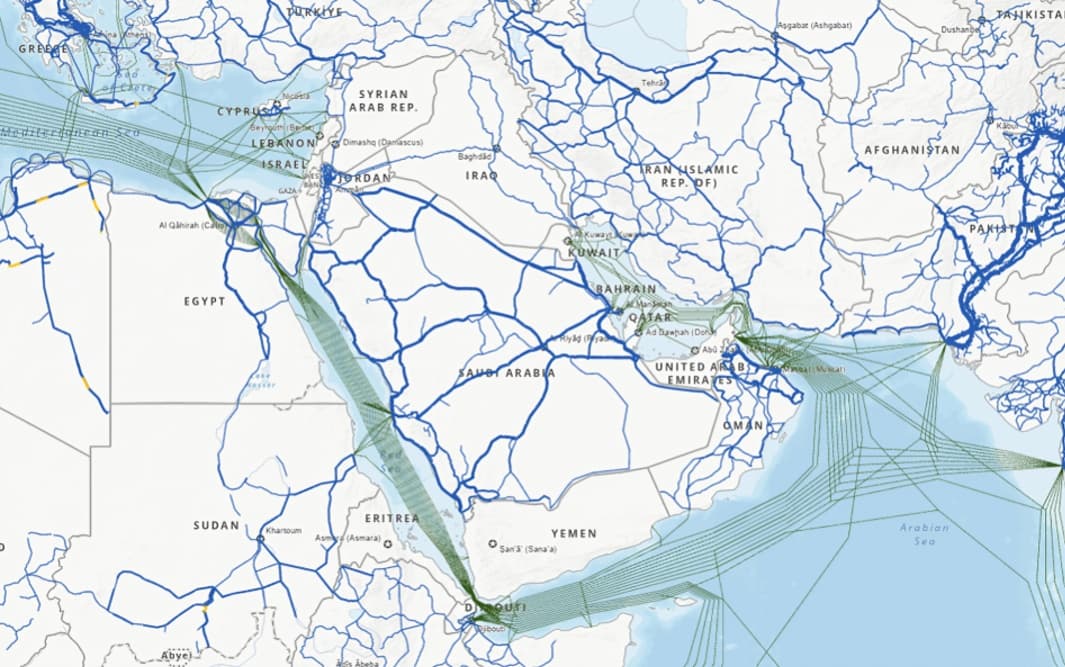
The ongoing conflict involving Iran has led to a sharp increase in global crude oil prices, creating a complex situation in the energy market. While oil exporting countries such as Saudi Arabia may benefit from higher prices, the development poses significant challenges for oil importing nations like India.
Global oil prices have been rising due to concerns over supply disruptions in West Asia, a region that plays a crucial role in global energy production and transportation. The possibility of reduced supply has driven prices upward, with some analysts warning that crude oil could reach very high levels if tensions persist.
For Saudi Arabia, one of the world largest oil exporters, higher crude prices can result in increased revenue. The country economy relies heavily on oil exports, and rising prices often strengthen its fiscal position. However, the broader impact of geopolitical instability can also create uncertainties, even for exporting nations.
In contrast, India faces a different set of challenges. As a major importer of crude oil, the country is highly sensitive to fluctuations in global prices. Higher oil costs can lead to increased fuel prices domestically, affecting transportation, manufacturing, and overall economic activity.
One of the immediate concerns is inflation. When fuel prices rise, the cost of goods and services tends to increase, as transportation and production expenses go up. This can put pressure on household budgets and reduce purchasing power. For policymakers, managing inflation becomes a key priority during such periods.
The impact of rising oil prices also extends to the government fiscal balance. Higher import bills can widen the current account deficit, affecting the overall economic stability. Additionally, subsidies and price controls, if implemented, can place further strain on public finances.
Energy security is another important aspect highlighted by the current situation. Dependence on imports makes countries vulnerable to external shocks, prompting efforts to diversify energy sources and strengthen domestic production. India has been exploring alternative energy options and expanding its strategic reserves to mitigate such risks.
Market experts emphasize that global developments will continue to influence oil prices in the near term. Any escalation or de escalation in tensions can lead to fluctuations in supply expectations, thereby impacting pricing trends. Investors and policymakers are closely monitoring these developments to anticipate potential outcomes.
The situation also underscores the interconnected nature of global economies. Events in one region can have far reaching consequences, affecting markets, industries, and consumers worldwide. For India, maintaining economic stability in the face of such challenges requires careful planning and adaptive strategies.
In conclusion, the rise in oil prices driven by the Iran conflict presents both opportunities and challenges in the global energy landscape. While Saudi Arabia may benefit from increased revenues, countries like India face economic pressures due to higher import costs. As the situation evolves, the focus will remain on managing risks and ensuring stability in the energy sector.