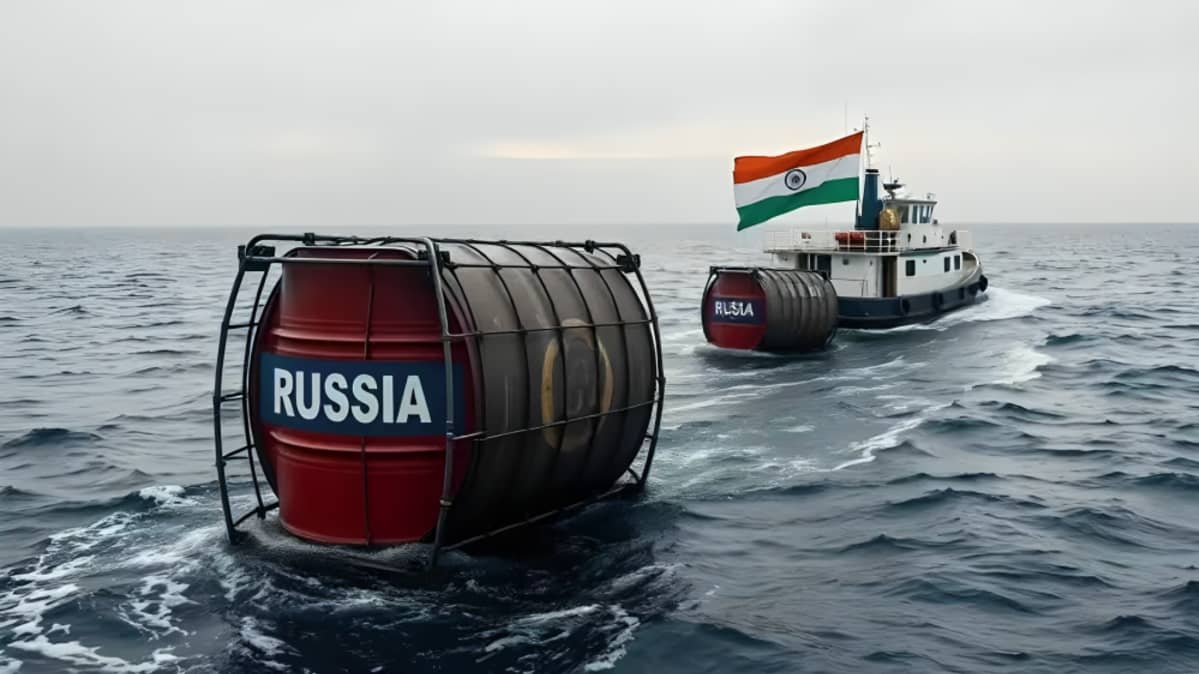

Russia has criticised what it described as pressure tactics surrounding its oil sales to India, as tensions over New Delhi’s purchases of Russian crude continue to affect the broader India US and India Russia economic relationship.
Russian Ambassador to India Denis Alipov said Moscow remains prepared to supply India with as much oil as the country needs. His comments came amid increased scrutiny from the United States over India’s continued imports of Russian crude and Washington’s efforts to put pressure on countries that maintain significant energy trade with Moscow.
Alipov argued that India’s purchases of Russian oil are driven by the country’s domestic energy requirements rather than an intention to support Russia politically. He said India has the right to make decisions based on its national interests and energy needs.
The Russian position comes at a time when the United States is seeking to reduce the flow of revenue that Russia receives from energy exports. Western governments have introduced sanctions and other restrictions against Russian energy companies following the Russia Ukraine conflict. India, meanwhile, has continued to purchase Russian crude because of factors including availability, pricing and the importance of maintaining adequate supplies for its large domestic market.
Russian crude became increasingly important to Indian refiners after international sanctions and changes in global energy trade following the Russia Ukraine conflict. Indian refiners significantly increased purchases of Russian oil, helping Russia become one of the country's most important crude suppliers.
Recent shipping data indicate that Russia remained India's largest crude oil supplier in August 2026. At the same time, India's overall crude import pattern has continued to change as refiners source oil from multiple regions.
Data reported by the Indian Express showed that India's imports of Russian crude declined by about 26 percent in August compared with July. The reduction was attributed to factors including lower availability of Russian exports, increased competition from Chinese refiners and maintenance at some Indian refineries. Despite the decline, Russia remained a major source of crude for India.
The latest Russian comments also come amid broader discussions over US trade policy toward India. Washington has repeatedly raised concerns about India's energy purchases from Russia and has considered or imposed additional trade measures connected to those imports.
For India, the issue is closely linked to energy security. The country imports a large share of the crude oil required by its refineries and therefore needs to maintain access to multiple international suppliers. Changes in the price or availability of crude can affect refinery operations, transportation costs, inflation and the wider Indian economy.
India has also been working to diversify its energy supply. While Russian crude remains important, Indian refiners have purchased oil from suppliers in the Middle East, Africa, South America and other regions. Recent data also showed increased purchases from Venezuela, illustrating the broader effort by Indian refiners to adjust their supply mix according to market conditions.
The relationship between India and Russia has also developed beyond crude oil. Bilateral trade and financial arrangements have expanded in recent years, with both countries working to facilitate payments in national currencies. Reuters reported that the rupee and rouble now facilitate a substantial share of bilateral trade, while Russian and Indian banks have developed mechanisms to support transactions.
At the same time, India continues to maintain significant economic and strategic ties with the United States. Washington is an important market for Indian exports and a major partner in areas including technology, defence, investment and energy. This creates a complicated policy environment for New Delhi as it attempts to maintain relations with both Moscow and Washington.
The Russian government has consistently argued that energy trade with India is based on commercial interests. Moscow has also criticised Western sanctions, saying restrictions on Russian energy exports interfere with normal international trade.
The United States, however, has argued that purchases of Russian energy can provide Moscow with revenue during the continuing conflict in Ukraine. This disagreement has made Indian purchases of Russian crude a recurring issue in India US economic discussions.
For Indian refiners, the decision to purchase crude is also influenced by commercial factors. Refiners compare the price, quality, freight costs, insurance arrangements and availability of different crude grades before deciding where to source supplies. As global oil markets remain volatile, maintaining multiple sources can help reduce the risks associated with relying heavily on any single supplier.
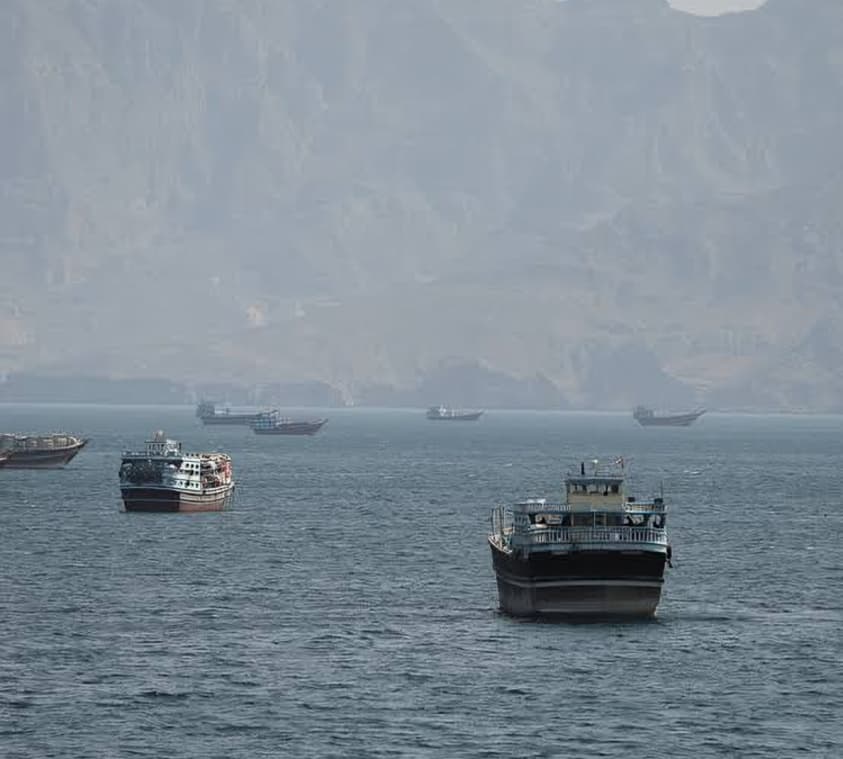
The situation is further complicated by wider geopolitical developments in the Middle East. Rising tensions around the Strait of Hormuz have increased concerns about international oil supplies and transportation costs. Any disruption in major shipping routes could place additional pressure on countries that depend heavily on imported crude.
Against this background, Russia's offer to continue supplying India with oil could remain significant for New Delhi's energy planning. However, the extent of future purchases will depend on market conditions, sanctions, payment mechanisms, shipping availability and India's wider foreign policy considerations.
The latest comments from the Russian ambassador therefore highlight the continuing geopolitical competition surrounding India's energy imports. Russia wants to preserve its position as a major supplier to the Indian market, while the United States is seeking to limit the economic benefits Moscow receives from energy exports.
India is likely to continue balancing these competing interests while prioritising energy security and economic stability. Any further changes in US sanctions, trade measures, Russian oil availability or global crude prices could influence the volume and direction of India's future oil imports.
For now, Russia's message is that it remains ready to supply India's energy requirements, while India continues to assess crude purchases based on its economic and strategic interests. The issue is expected to remain an important part of the wider India Russia and India US economic relationship.