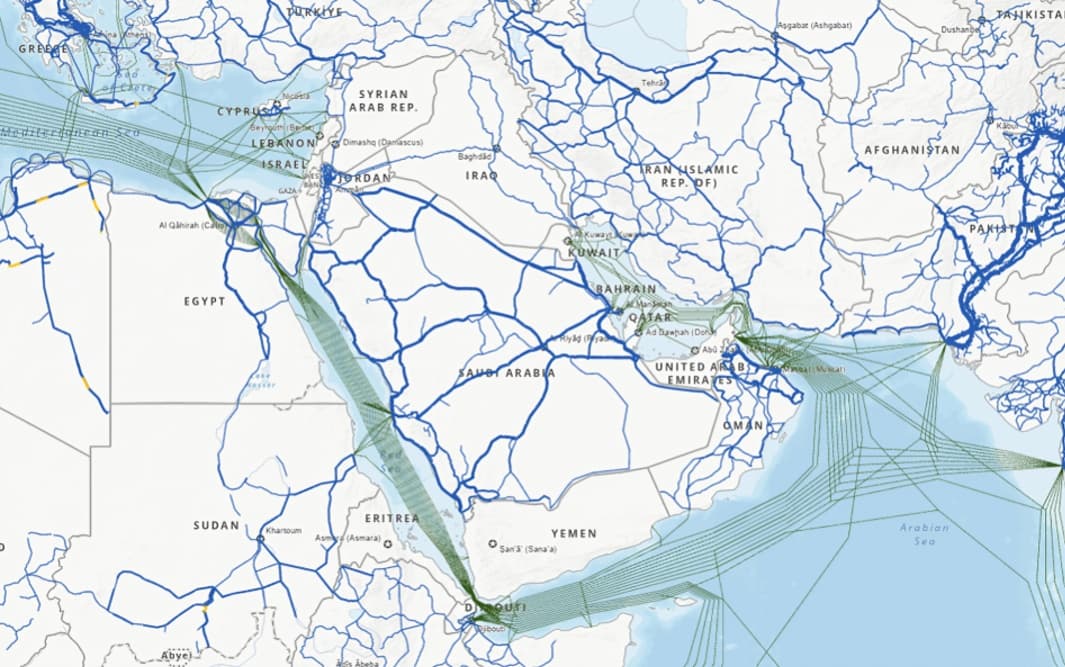
A major disruption in global maritime operations has left approximately 20,000 seafarers stranded in the Gulf region as vessel movement through the Strait of Hormuz has sharply declined. The situation has developed amid heightened tensions involving United States and Iran, raising concerns over global energy supply chains and maritime safety.
The Strait of Hormuz is one of the most critical shipping routes in the world, handling a significant portion of global oil and liquefied natural gas shipments. Any disruption in this narrow passage can have widespread consequences for international trade, energy prices, and maritime logistics.
According to maritime industry reports, the reduction in vessel traffic has resulted in ships being held at anchor or rerouted to safer waters. This has led to delays in crew rotations and extended stays onboard for thousands of seafarers. Shipping companies are reportedly struggling to manage schedules due to the uncertain security situation.
The stranded seafarers are spread across various commercial vessels, including oil tankers and cargo ships. Many of them are facing prolonged periods at sea without clear timelines for port access or crew change operations. Maritime organizations have expressed concern over the welfare of the crew, emphasizing the need for safe working conditions and timely relief arrangements.
Industry experts note that the Strait of Hormuz typically handles a high volume of energy shipments daily. The current decline in traffic is unusual and reflects the impact of geopolitical tensions on global shipping routes. Insurance costs for vessels operating in the region have also increased, further complicating logistics for shipping operators.
The ongoing situation has prompted calls for diplomatic engagement to ensure the safety of maritime corridors. International maritime bodies have urged all parties to maintain open shipping lanes and avoid actions that could escalate risks in the region.
Energy markets are also closely monitoring the developments. Any prolonged disruption in the Strait of Hormuz could affect global oil and gas supply, potentially leading to price fluctuations. Countries dependent on imports through this route are particularly sensitive to changes in shipping activity.
Seafarer welfare organizations have highlighted the psychological and physical strain faced by crew members stranded at sea. Extended deployments without relief can impact mental health and operational efficiency, making timely resolution of the situation a priority.
Efforts are reportedly underway by shipping companies and international agencies to coordinate safe passage and crew management. However, the situation remains fluid, with outcomes dependent on broader geopolitical developments.
Overall, the disruption in the Strait of Hormuz underscores the vulnerability of global supply chains to regional conflicts. The welfare of seafarers and the stability of maritime trade remain key concerns as stakeholders work toward restoring normal shipping operations.