
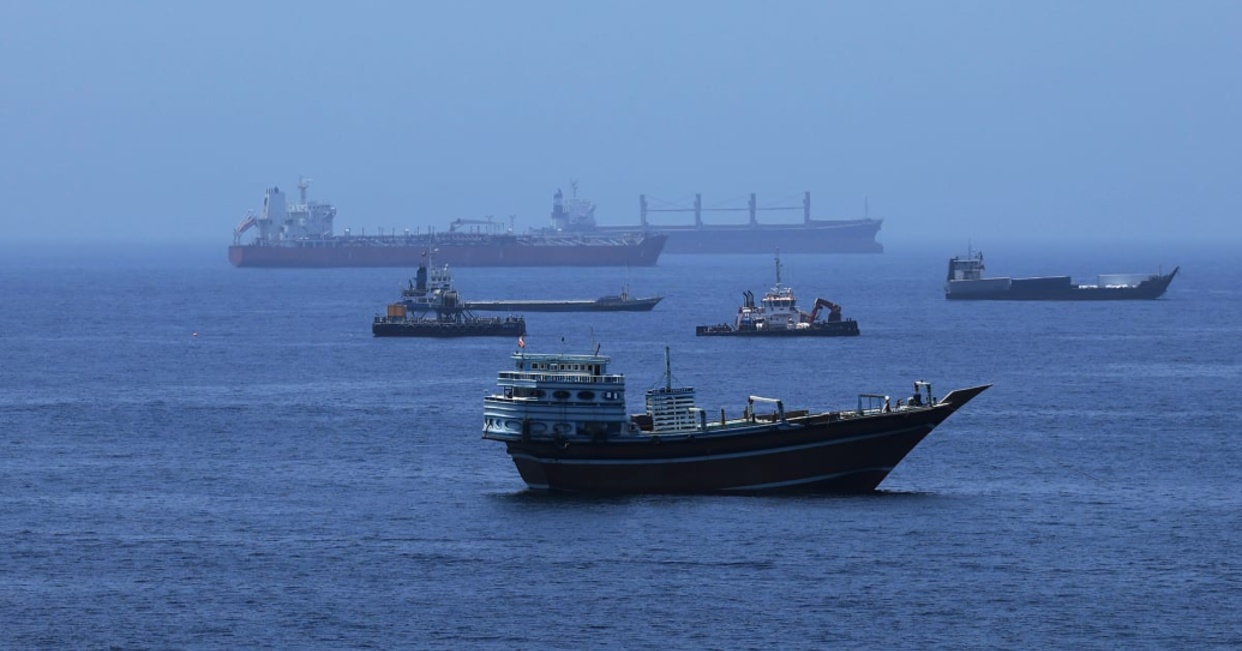
Commercial vessel traffic through the Strait of Hormuz has declined sharply as tensions between Iran and the United States continue, while Tehran has ruled out reopening the strategic waterway until its conditions are met.
According to shipping data cited by Reuters, about 12 trackable commodity vessels transited the Strait of Hormuz over the latest weekend. This was a significant decline from the 35 vessels recorded during the previous weekend. The figures are based on shipping information tracked through transponders and satellite data.
Before the current conflict began, the Strait of Hormuz typically handled around 125 large commercial vessels each day, including oil tankers, gas carriers, bulk carriers and container ships. The sharp reduction in visible traffic reflects the security concerns surrounding the waterway.
The Strait of Hormuz is one of the world's most important maritime routes for energy shipments. A substantial share of global crude oil and liquefied natural gas shipments traditionally passes through the narrow waterway, making any disruption potentially significant for international energy markets and shipping companies.
Iranian Parliament Speaker Mohammad Bagher Ghalibaf has said that Tehran will not reopen the Strait of Hormuz or return to the previous framework of negotiations with the United States until Iranian conditions are fulfilled.
According to Iranian statements reported by several media outlets, Tehran has communicated its demands to Washington through intermediaries. Ghalibaf said Iran would not reconsider its position until what Tehran describes as its conditions and rights are addressed and US commitments are implemented.
The Iranian position has added another complication to diplomatic efforts surrounding the conflict. The Strait has become a major point of contention between Tehran and Washington, with both sides maintaining different positions on security arrangements and maritime movement.
Iranian security officials have also outlined conditions related to ending the broader conflict. Iranian security chief Mohsen Rezaei has said that Tehran conveyed conditions through intermediaries, including an end to hostilities, the release of frozen Iranian funds and an end to the naval blockade, according to reports.
The United States, meanwhile, has continued maritime operations in the region. The US Central Command said its forces had redirected 109 commercial vessels as part of efforts to enforce Washington's maritime blockade involving Iranian ports, according to a report by The New Indian Express citing US military information.
The combination of reduced commercial traffic and continuing restrictions has raised concerns among energy traders and shipping companies. However, oil exports from some Middle Eastern producers have continued despite the disruption.
Reuters reported that some tankers are still moving through the Strait with their tracking systems switched off. Saudi Arabia has also increased some crude exports through the waterway after disruptions to its East West pipeline affected alternative export routes. Kpler data showed that 18 tankers carrying about 34 million barrels of crude exited the Strait during the week of September 13.
The shipping situation therefore remains more complicated than a complete halt in maritime movement. While visible and trackable traffic has dropped substantially, some vessels continue to operate and regional oil exports have not completely stopped.
The decline in traffic is nevertheless significant because shipping companies must assess security risks before sending vessels through the waterway. Tankers, gas carriers and other commercial vessels face potential delays, route changes and increased insurance and operational costs when security conditions deteriorate.
The Strait's importance also extends beyond the Middle East. Any sustained disruption could affect global energy markets because countries in Asia, Europe and other regions depend on energy shipments originating from the Gulf.
India and other major energy-importing countries closely monitor developments around the Strait because changes in shipping routes and crude oil availability can influence international oil prices, transportation costs and broader inflationary pressures.
The current situation also comes as diplomatic efforts continue around the wider Iran US conflict. Tehran has indicated that it wants its conditions addressed before considering a return to the previous negotiating framework. Washington has maintained its own demands and military pressure, leaving the prospects for a broader agreement uncertain.
For international shipping operators, the immediate concern remains the safety and predictability of passage through the Strait. The latest Kpler data shows that vessel movement has fallen considerably compared with both the pre-conflict period and the previous weekend.
The situation could change rapidly depending on diplomatic developments, military activity and any agreement between Iran and the United States. Until then, the Strait of Hormuz remains a major focus of international attention because of its importance to global energy transportation.
Iran's latest position means that the reopening of the waterway is directly linked by Tehran to the fulfilment of its stated conditions. At the same time, the continuing passage of some vessels indicates that maritime traffic has not completely stopped.
Further developments in the US Iran confrontation will therefore be closely watched by governments, energy companies, shipping operators and international markets.