New Delhi / Gulf Region
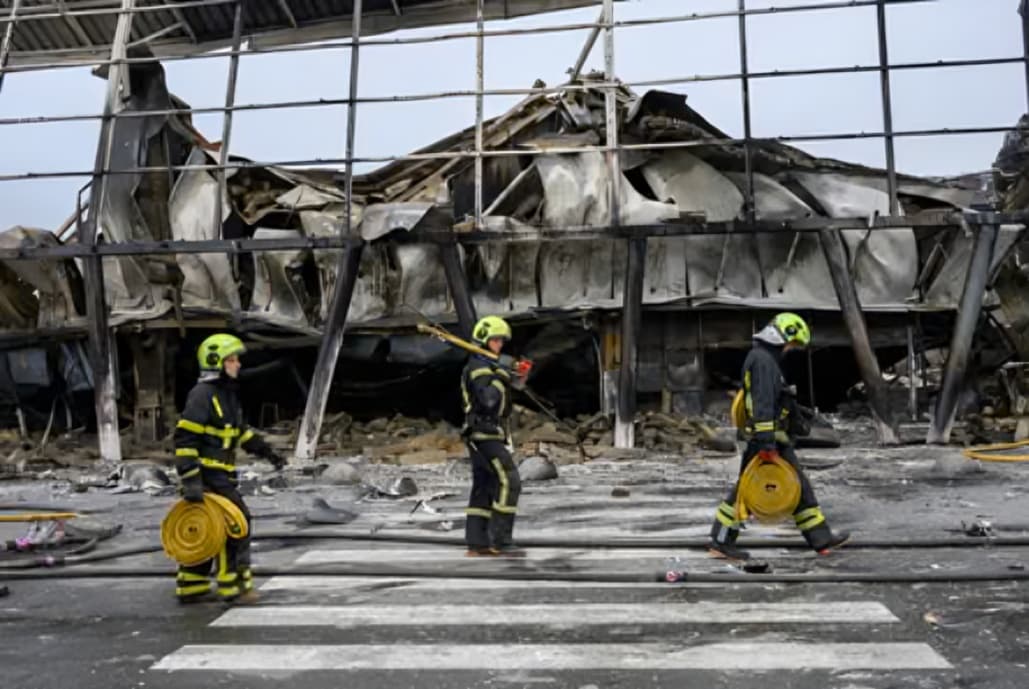
A drone strike on the Saudi Aramco‑linked SAMREF oil refinery in Yanbu has raised fresh concerns about energy security in the Gulf region as geopolitical tensions escalate. The attack comes amid a series of aerial strikes by Iran on energy facilities across the Gulf, including Qatar’s Ras Laffan LNG complex, which has suffered extensive damage.
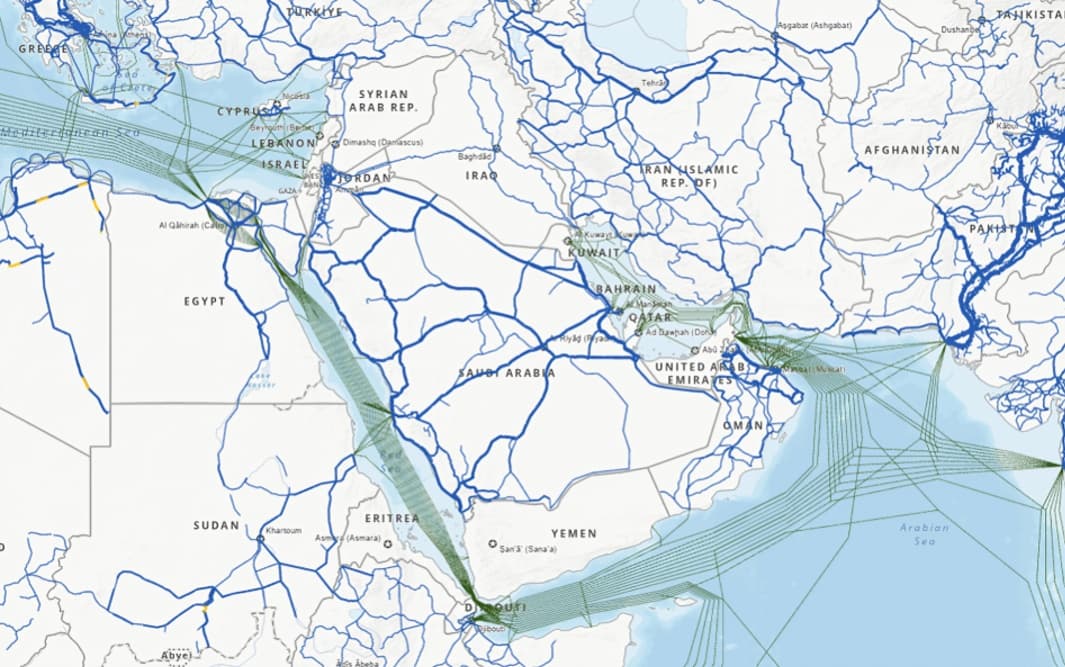
Saudi Arabia’s Defence Ministry confirmed a drone struck the SAMREF refinery in Yanbu, a key processing facility and export hub on the Red Sea coast. Initial assessments suggest minimal direct damage to core units, but staff were evacuated as a precaution and some operations were disrupted. Later reports indicate that oil loadings at Yanbu have since resumed, reflecting efforts by Saudi Aramco to stabilise production and maintain shipments despite the attack.
The strike on Yanbu is linked to a wider pattern of hostilities in the region following attacks on Iran’s energy infrastructure. In response to strikes on its South Pars gas field and other installations, Iran has reportedly targeted several Gulf refineries and gas facilities. This has included missile and drone assaults on installations in Qatar, Kuwait, the United Arab Emirates and Saudi Arabia.
The attack on Qatar’s Ras Laffan Industrial City, one of the world’s largest LNG hubs and a critical source of gas supplies to Asian and European markets, is seen as a significant escalation. Ras Laffan accounts for a large share of global liquefied natural gas exports, and damage to its facilities has triggered production halts and raised fears of broader market disruptions.
The ongoing conflict has compounded tensions related to the 2026 Strait of Hormuz crisis, where tanker traffic has sharply declined as the strategic waterway becomes effectively impassable due to the conflict. The Strait of Hormuz is a crucial artery for global oil shipments, handling roughly one‑fifth of worldwide crude exports. Any prolonged disruption in this corridor adds to the risk of supply shortages and rising prices.
Global energy markets have already responded to the instability. Crude oil prices climbed sharply in recent sessions, with Brent crude approaching significantly elevated levels compared to pre‑conflict periods, while natural gas benchmarks also surged amid concerns about LNG supply tightness caused by damage to key nodes like Ras Laffan.
For countries that rely heavily on imported energy, including India, disruptions in Middle Eastern fuel and gas flows can have far‑reaching implications. Higher import costs for crude and LNG could feed into inflationary pressures and trade imbalances if the situation persists. Energy analysts note that prolonged instability in Gulf supply infrastructure may force buyers to seek alternative sources or accelerate fuel conservation measures in vulnerable markets.
In response to the evolving situation, operators like Saudi Aramco are adjusting logistics, including routing some cargoes through alternate facilities such as the Red Sea ports to mitigate risks related to the Strait of Hormuz. However, these logistical pivots cannot fully offset the potential slowdown in exports tied to regional hostilities.
As military tensions continue, market watchers and policymakers are monitoring developments closely for further implications on global energy flows, pricing and economic stability. Any sustained attacks on major refineries or chokepoints could shape energy strategies worldwide for months to come.